
BNSF’s $3.96B Rail Investment: A Strategic Overview

BNSF Railway’s $3.96 Billion Investment in Rail Infrastructure: A Strategic Overview
BNSF Railway Company, a prominent freight transportation provider in the United States, has announced a substantial $3.96 billion capital investment plan for 2023. This significant commitment underscores the company’s dedication to maintaining its operational efficiency, enhancing service offerings for its customers, and ensuring the long-term sustainability of its extensive rail network. This article will delve into the specifics of BNSF’s investment strategy, analyzing its allocation across various infrastructure improvement projects and exploring the broader implications for the North American freight rail sector. We will examine the crucial role of network maintenance, the strategic acquisition of new equipment, and the expansion projects designed to increase capacity and improve efficiency. Finally, we will assess the overall impact of this investment on BNSF’s operational capabilities and its competitive position within the industry.
Network Infrastructure Enhancement and Maintenance
The lion’s share of BNSF’s investment, a substantial $2.85 billion, is earmarked for the maintenance and upgrade of its core network infrastructure and associated equipment. This substantial sum reflects the critical importance of maintaining a robust and reliable rail network for efficient freight transportation. The investment will address various aspects of track infrastructure, including the replacement and improvement of ballast (the material supporting the track), rail ties (sleepers), and the rails themselves. This comprehensive approach to track maintenance is vital in preventing costly unscheduled service outages, improving operational reliability, and ultimately enhancing the speed and efficiency of freight movement. A planned 14,000 miles of track surfacing and undercutting, along with the replacement of 346 miles of rail and nearly 2.8 million rail ties, demonstrates the scale of this crucial undertaking.
Strategic Equipment Acquisition and Deployment
Beyond network maintenance, BNSF is allocating $402 million towards the acquisition of new equipment. This investment will likely encompass a range of rolling stock (locomotives, freight cars), signaling systems, and other essential components necessary for efficient and safe rail operations. The addition of modern equipment will contribute to enhanced operational efficiency, improved safety standards, and increased capacity to meet growing customer demands. Modern locomotives, for example, offer fuel efficiency improvements and reduced maintenance needs, contributing to lower operational costs and a smaller environmental footprint. Similarly, the acquisition of new freight cars can increase the volume and types of goods that can be transported.
Capacity Expansion and Efficiency Improvements
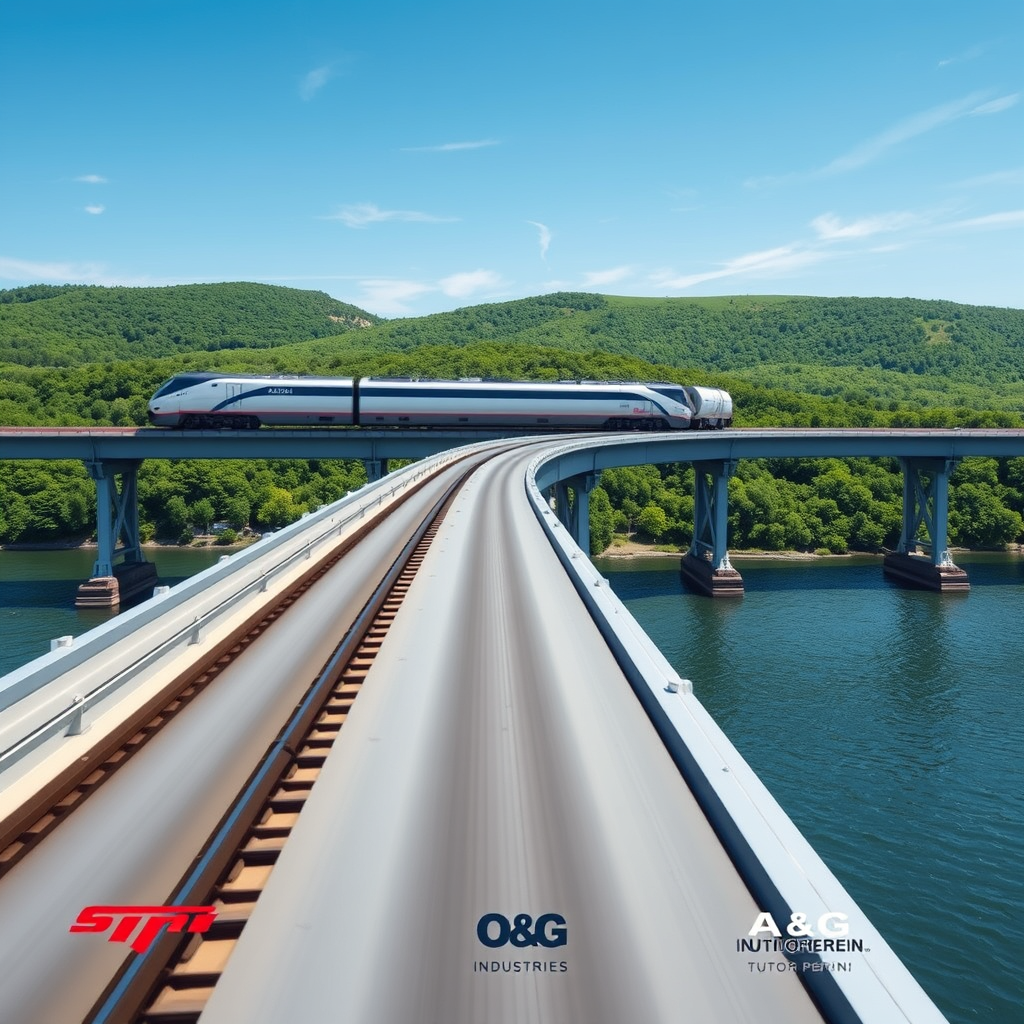
Further enhancing its operational capabilities, BNSF is investing over $700 million in expansion and efficiency improvement projects. These initiatives include the construction of a second bridge over the Missouri River at Sibley, aimed at reducing congestion and improving the flow of traffic. The completion of double-tracking along the Southern Transcon route will similarly increase capacity and reduce bottlenecks, enhancing the overall efficiency of this critical freight corridor. The addition of new tracks in Eastern Kansas and Southern California directly addresses regional capacity constraints and positions BNSF to handle future increases in freight volume in these key areas. These strategic expansions are crucial for accommodating growing freight demands and maintaining a competitive edge in the market.
Terminal Development and Strategic Land Acquisition
The investment plan also encompasses strategic initiatives beyond core network improvements. BNSF is initiating a multi-year terminal and fueling project near Belen, New Mexico, and acquiring property in the Barstow area. These actions demonstrate a forward-looking approach, proactively anticipating future needs and optimizing operational logistics. New terminals can improve efficiency of freight handling, reducing congestion and optimizing train operations. Strategic land acquisition, such as the Barstow property, provides opportunities for future expansion and allows for long-term planning to adapt to evolving transportation needs.
Conclusions
BNSF Railway’s $3.96 billion capital investment plan for 2023 represents a significant commitment to the future of freight rail transportation in North America. The strategic allocation of funds across network maintenance, equipment acquisition, capacity expansion, and strategic land acquisition demonstrates a comprehensive approach to enhancing operational efficiency, safety, and customer service. The $2.85 billion investment in core network infrastructure maintenance is paramount for preventing service disruptions, ensuring reliable operations, and supporting the efficient movement of freight. The allocation for equipment acquisition ($402 million) and capacity expansion projects (over $700 million), including the double-tracking of the Southern Transcon and new track additions, directly addresses capacity constraints and positions BNSF to accommodate growing freight demands. Furthermore, the development of new terminal facilities and strategic land acquisitions are clear indications of long-term strategic planning. BNSF’s CEO, Katie Farmer, correctly highlights the company’s “growth mindset” and commitment to supporting its customers. This substantial investment reinforces BNSF’s position as a leader in the North American freight rail industry, signaling a commitment to modernizing its infrastructure and meeting the evolving needs of the market. This proactive approach not only benefits BNSF’s customers through improved service reliability and efficiency but also contributes to the overall strength and efficiency of the national freight transportation system.
RELATED POSTS


May 9, 2025 3:43 am
Alstom’s Strategic Expansion in Central Europe: A Focus on Technological...
June 16, 2020 5:33 am
This article explores the significant advancements in passenger rail technology...

September 27, 2025 3:54 pm
Here are a few options, all within the constraints:**Option 1:**>...
June 11, 2021 2:51 am
This article delves into the significant contract awarded to Talgo...
March 25, 2025 4:37 pm
Introduction This article delves into the crucial infrastructure upgrade underway...