
Rostock Rolls Out Stadler TINA Trams: €107M Boost for Mobility
Rostock unveils its new Stadler TINA tram fleet, a €107 million investment. This modern, accessible upgrade enhances urban mobility, replacing a 30-year-old fleet.
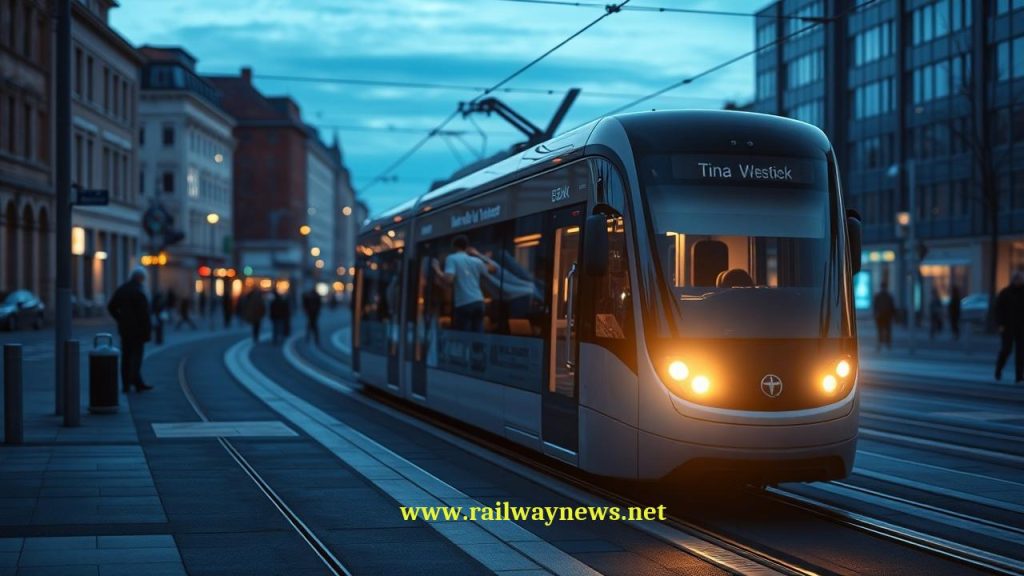
Stadler’s new TINA tram has officially entered regular passenger service in Rostock, Germany, marking a major milestone in the city’s €107 million public transport modernization program. The launch introduces a new generation of fully accessible, state-of-the-art vehicles designed to enhance urban mobility and replace a fleet that has served the city for three decades.
| Category | Details |
|---|---|
| Project | Rostock Tram Fleet Modernization |
| Operator | Rostocker Straßenbahn AG (RSAG) |
| Manufacturer | Stadler Rail |
| Vehicle Model | TINA (“Totally Integrated Low-Floor Drive”) |
| Total Investment | Approximately €107 million for 30 vehicles |
| State Funding | €14.05 million from Mecklenburg-Western Pomerania |
Following an extensive testing and approval phase, the first Stadler TINA tram commenced operations on Rostock’s main lines 1 and 5. The official launch was celebrated at a festive event attended by key stakeholders, including State Secretary Ines Jesse, Rostock Mayor Eva-Maria Kröger, and representatives from the operator RSAG and manufacturer Stadler. In a joint statement, RSAG management board members Yvette Hartmann and Jan Bleis highlighted the project’s long journey since its inception in 2018, noting that the new trams “will define the cityscape for many years to come and make public transport even more attractive.” The state of Mecklenburg-Western Pomerania is supporting the project with over €14 million in funding, underscoring its importance to the regional mobility strategy.
The 32-meter-long TINA trams represent a significant technological leap for Rostock’s public transport network. The “Totally Integrated Low-Floor Drive” concept allows for a completely stepless, barrier-free interior, enhancing accessibility for all passengers. Each vehicle can accommodate 216 passengers, with 75 seated, and features four spacious multifunctional areas for strollers, wheelchairs, and bicycles. Large panoramic windows and generous aisle heights create an open and modern passenger experience. Onboard amenities include USB charging sockets, modern passenger information systems, video surveillance, and preparations for free Wi-Fi, which will be activated from January 1, 2026. Driver assistance systems, including advanced collision protection, are integrated to improve operational safety, while four specially designed bogies ensure a smooth ride and reduce wear on both wheels and track infrastructure.
This fleet renewal is the largest investment in the history of RSAG, made possible by a €30 million capital increase approved by the Rostock City Council in December 2020. After a competitive European tender process, Stadler was awarded the contract in June 2022. The 30 new TINA trams will be delivered in stages, with the full fleet expected to be in operation by mid-2027. They are set to gradually replace the city’s 6N1 tram-trains, which were manufactured between 1994 and 1996 and are being retired after approximately 30 years of reliable service. The positive reception during the testing phase has already prompted RSAG, with state support, to increase its initial order to 30 vehicles.
Key Takeaways
- Major Fleet Overhaul: Rostock is investing €107 million to replace its entire 30-year-old tram fleet with 30 new high-tech Stadler TINA trams by 2027.
- Focus on Accessibility and Comfort: The TINA model features a 100% low-floor design for barrier-free access, alongside modern amenities like USB ports, Wi-Fi, and a spacious interior.
- Successful Project Execution: The on-schedule delivery and launch highlight a successful collaboration between the city, state government, operator RSAG, and manufacturer Stadler.
Editor’s Analysis
The successful launch of the TINA tram in Rostock offers a compelling counter-narrative to the broader challenges facing Germany’s railway sector. While the national operator, Deutsche Bahn, continues to grapple with significant issues of punctuality, aging infrastructure, and reliability on its long-distance network, this project demonstrates excellence at the municipal level. It showcases how targeted, well-managed investment in urban rail can deliver tangible benefits: enhanced passenger experience, improved accessibility, and a more attractive public transport offering. For the global rail market, the Rostock case is a powerful reminder that innovation and modernization are not confined to high-speed rail; the renewal of urban tram and light rail networks is equally critical for building sustainable, efficient, and user-friendly cities.
Frequently Asked Questions
- What is a TINA tram?
- TINA is an acronym for “Totally Integrated Low-Floor Drive,” a vehicle concept by Stadler. It features an optimized equipment layout that allows for a completely low-floor, stepless interior throughout the entire length of the tram, maximizing accessibility and passenger space.
- How many new trams is Rostock getting and what is the cost?
- The Rostocker Straßenbahn AG (RSAG) has ordered a total of 30 TINA trams. The total investment for the new fleet amounts to approximately €107 million.
- What vehicles are the TINA trams replacing?
- The new TINA trams will gradually replace the 6N1 vehicles, which were manufactured between 1994 and 1996 and are being phased out after about 30 years of service in Rostock.

Railway infrastructure, rolling stock and transport technologies specialist focused on global rail industry developments, high-speed rail systems, signaling technologies and freight transportation. Covering railway investments, public transport modernization, rail operations and international mobility projects across Europe, Asia and North America.
RELATED POSTS

October 1, 2026 7:09 am
United States regulators confirmed a September 30 deadline for the...

October 4, 2026 5:14 pm
Alstom secured a CA$4.7 billion order from VIA Rail Canada...

October 6, 2026 2:14 am
Union Pacific launched export rail shipments with Ferromex to deliver...

October 1, 2026 12:13 am
Illinois approved $1.5 billion annually for the Northern Illinois Transit...

October 8, 2026 1:15 pm
Alstom secured a €1bn contract to build 13 automated trains,...

October 1, 2026 6:10 am
Amtrak approved a System Expansion Committee on July 30 to...