
Alstom’s Central Europe Expansion: Innovation & Growth
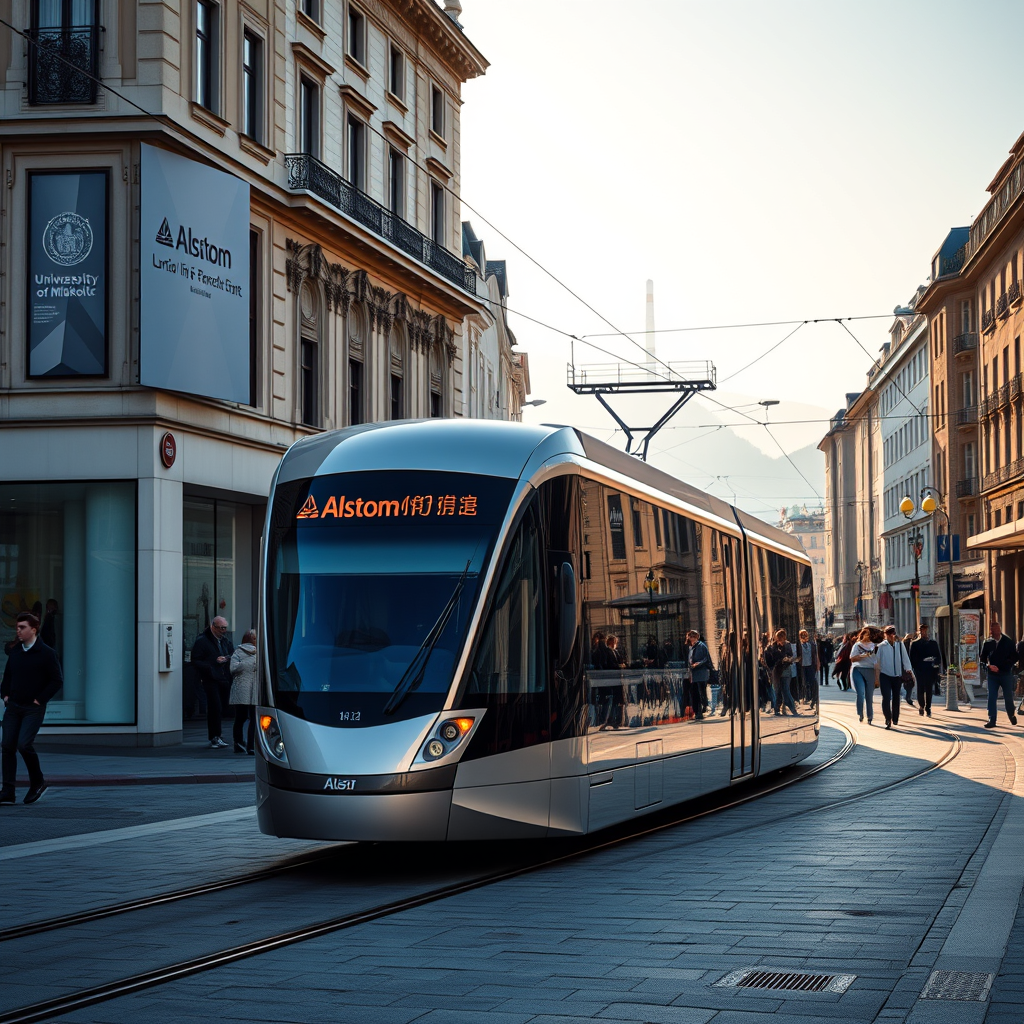
Alstom’s Strategic Expansion in Central Europe: A Focus on Technological Advancement and Workforce Development
This article analyzes Alstom’s recent strategic moves in Central Europe, highlighting two key initiatives: a significant tram order from Zurich’s VBZ (Verkehrsbetriebe Zürich) and a substantial research and development (R&D) collaboration with the University of Miskolc in Hungary. These actions underscore Alstom’s commitment to expanding its market share in the region while simultaneously investing in the future of its workforce and technological innovation within the rail industry. The analysis will explore the implications of these agreements, examining their impact on Alstom’s growth strategy, the technological advancements they foster, and their contribution to the development of a skilled rail workforce in Central Europe. The discussion will delve into the specific details of each initiative, considering its individual significance and its broader contribution to Alstom’s overall strategy in the region. Finally, the article will assess the long-term implications of these initiatives for both Alstom and the Central European rail sector.
Zurich’s VBZ Tram Order: A Testament to Alstom’s Technological Prowess
Alstom’s recent deal with VBZ for an additional 12 Flexity trams represents a significant expansion of their existing partnership. This brings the total number of Flexity trams ordered by VBZ to 122, demonstrating a strong vote of confidence in Alstom’s technology and the proven success of the Flexity tram in Zurich’s urban environment. The order underscores not only the reliability and efficiency of the Flexity trams but also the quality of Alstom’s ongoing maintenance and support services. The continued investment in Alstom’s trams by VBZ further indicates satisfaction with the integration of the vehicles into Zurich’s existing infrastructure and their overall contribution to the city’s public transportation system. This success reinforces Alstom’s position as a leading provider of high-quality, sustainable urban transit solutions.
Strategic Partnership with the University of Miskolc: Cultivating Future Rail Professionals
Alstom’s collaboration with the University of Miskolc is a forward-looking initiative aimed at addressing the skills gap within the rail industry. This partnership goes beyond mere recruitment, focusing on developing a skilled and qualified workforce from the ground up. Through practical training at Alstom’s Mátranovak factory and collaborative research projects, students gain invaluable hands-on experience and contribute directly to Alstom’s operations. This approach fosters a strong link between academic learning and industry needs, ensuring a steady pipeline of talent for Alstom’s future operations in Hungary and beyond. This collaboration will likely lead to advancements in the production process and the development of innovative domestic steel manufacturing solutions, boosting efficiency and local economic growth.
Investment in Mátranovak Factory: Expanding Production Capacity
The planned $16 million investment to expand Alstom’s Mátranovak factory is directly linked to the university partnership and the growing demand for their products. This expansion, projected to increase production by 40%, shows Alstom’s long-term commitment to Central Europe. This significant investment clearly demonstrates confidence in the region’s potential for growth within the rail sector and highlights the mutually beneficial relationship between investments in infrastructure and the cultivation of a skilled local workforce.
Conclusions: A Symbiotic Relationship for Growth and Innovation
Alstom’s recent activities in Central Europe illustrate a strategic approach that combines technological advancement with workforce development. The substantial tram order from VBZ confirms the success of Alstom’s Flexity trams and underscores the company’s strong position in the urban transit market. Simultaneously, the R&D partnership with the University of Miskolc demonstrates a proactive approach to addressing the future skills needs of the rail industry. The significant investment in expanding the Mátranovak factory further solidifies Alstom’s commitment to the region, creating a virtuous cycle of growth and innovation. The success of these initiatives hinges on the symbiotic relationship between technological advancement, robust production capabilities, and a well-trained workforce. By investing in both innovation and human capital, Alstom positions itself not only for sustained growth within Central Europe but also as a leader in shaping the future of the rail industry in the region. This integrated approach offers a compelling model for other rail manufacturers seeking to expand their global presence while simultaneously contributing to the sustainable growth of the local economies and industries within their target markets. The long-term impact of this strategy extends beyond Alstom’s own success, contributing to the overall development of a more skilled and robust rail sector in Central Europe.
RELATED POSTS
Union Pacific earned an 80% top Class I railroad intermodal...

March 6, 2026 12:10 pm
Consortium Announces Digital Services Platform for UK Rail Sector A...
March 5, 2026 7:57 pm
Banedanmark launched battery train operations on Denmark's 67 km Skjern–Holstebro...

March 4, 2026 10:12 am
Amtrak and Siemens deploy 8 Airo trains for the U.S....
March 5, 2026 4:23 am
Renfe suspends Spain rail services on Madrid-Andalusia corridor until February...
March 6, 2026 4:07 pm
Digital Subscription Market Analysis Q1 2026 Analytics firm Antenna confirmed...