
Hitachi Rail Wins Swiss Deal, OTIV Lands €9M for US Expansion
Hitachi Rail wins Swiss digital signaling deal worth billions, while AI startup OTIV secures €9M, driving rail modernization and future tech.
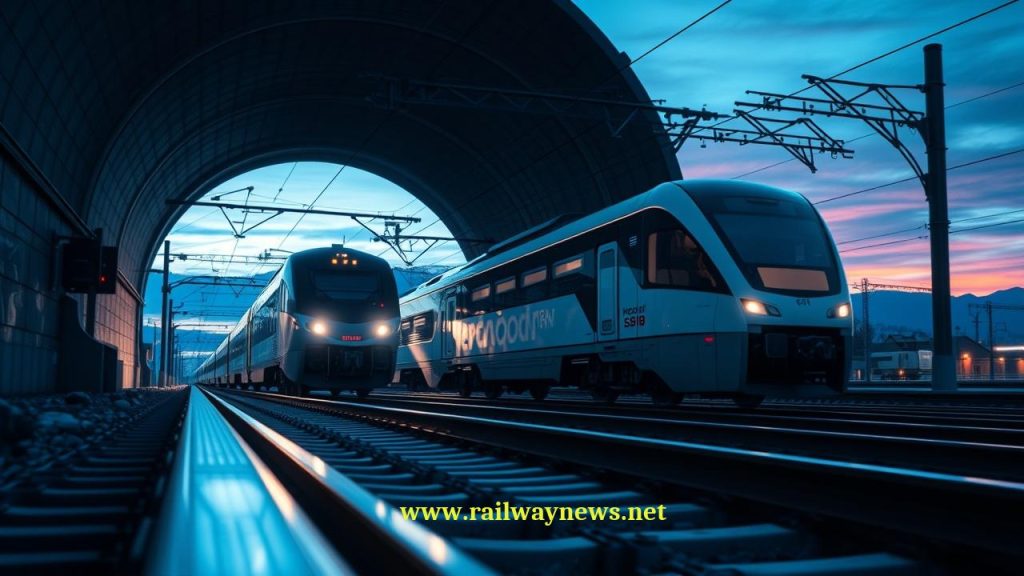
Hitachi Rail has inked a major framework agreement with Swiss Federal Railways (SBB) to supply next-generation digital signaling technology, a core component of SBB’s massive €1.5 billion network modernization initiative. In a parallel development highlighting the industry’s focus on automation, Belgian startup OTIV has secured €9 million in funding to accelerate the deployment of its AI-powered autonomous train solutions in the United States.
| Category | Details |
|---|---|
| Primary Project | SBB Digital Signaling Modernization |
| Lead Contractor | Hitachi Rail |
| Client | Swiss Federal Railways (SBB) |
| Total Project Value | €1.5 Billion (SBB’s overall initiative) |
| Core Technology | Digital Interlocking, Radio Block Centers, Smart Object Controllers |
| Technical Standard | EULYNX Compliant |
| Contract Duration | 10 years initial, with options for three 5-year extensions (up to 25 years total) |
| Maintenance & Support | 25-year term for supplier systems |
Main Body:
The landmark agreement will see Hitachi Rail play a pivotal role in overhauling Switzerland’s famously dense and complex rail network. SBB’s ambitious program aims to replace approximately 80% of its legacy interlocking systems with Hitachi’s latest generation of digital interlocking and radio block centers. The framework contract, which spans an initial 10-year period with options to extend to 25 years, also includes a detailed 25-year maintenance and support package for the new systems. This long-term partnership underscores a strategic shift towards software-based, centralized control systems to enhance the efficiency, capacity, and safety of Swiss rail operations.
At the heart of the technological upgrade is Hitachi’s EULYNX-compliant digital signaling platform. EULYNX is a critical European initiative aimed at standardizing the interfaces between signaling components, which combats vendor lock-in and promotes cross-border interoperability. The system will utilize smart object controllers to create a seamless digital mesh between central control and trackside equipment. This architecture replaces traditional, hardware-heavy interlocking systems with highly reliable, software-defined logic, enabling faster route setting, predictive maintenance, and greater operational flexibility across the SBB network.
In a separate but related trend of rail technology advancement, Belgium-based startup OTIV has successfully closed a €9 million investment round led by Miles Ahead, SHIFT Invest, and Finindus. The capital injection will fuel OTIV’s expansion into the U.S. market and advance its mission to shift freight traffic from road to rail through automation. OTIV provides a phased solution for rail operators, enabling a transition from assisted driving to remote teleoperation and ultimately to fully autonomous operation. The company’s AI-driven technology aims to significantly boost the sustainability, productivity, and safety of both freight and passenger rail, addressing key industry challenges like driver shortages and operational efficiency.
Key Takeaways
- Massive Infrastructure Overhaul: SBB is investing €1.5 billion to replace 80% of its interlocking systems, with Hitachi Rail as a key technology partner, signaling a major digital transformation for one of Europe’s most vital rail networks.
- Standardization is Key: The project’s adherence to EULYNX standards is crucial, highlighting a pan-European trend towards interoperable signaling systems that reduce costs and complexity.
- Dual Tech Frontiers: The industry is advancing on two fronts: upgrading core infrastructure with proven digital technology (Hitachi/SBB) while simultaneously funding disruptive AI and autonomy startups (OTIV) for future operations.
Editor’s Analysis
These two announcements, though distinct, paint a clear picture of the global rail industry’s strategic direction. The SBB-Hitachi deal represents the “heavy-lift” modernization essential for legacy networks. It’s a multi-billion-euro commitment to replacing decades-old hardware with robust, standardized digital backbones. This is the foundational work required to increase capacity and reliability today. Meanwhile, the OTIV investment represents the agile, forward-looking edge of the industry. It tackles the next frontier of operational efficiency: autonomy. While SBB is rewiring the network’s nervous system, OTIV is developing the brain that will one day pilot the trains. Together, they show a mature industry prudently investing in its present while simultaneously betting on a transformative, AI-driven future.
Frequently Asked Questions
What is EULYNX and why is it important for the SBB project?
EULYNX is a European initiative by major infrastructure managers to standardize the interfaces of signaling systems. Its importance lies in preventing dependency on a single supplier, reducing lifecycle costs, and ensuring that components from different manufacturers can work together seamlessly, which is critical for cross-border rail traffic and future upgrades.
What is the full scope of Hitachi Rail’s contract with SBB?
The framework contract covers the supply of digital interlocking and radio block center technology for an initial 10-year period, with three optional 5-year extensions. It also includes a 25-year commitment for maintenance and support of the systems provided.
What does OTIV plan to do with its new €9 million investment?
OTIV will use the €9 million in funding to accelerate its expansion into the United States and further develop its AI-powered autonomous train technology. The company aims to help U.S. rail operators automate their fleets to improve safety, sustainability, and productivity.

Railway infrastructure, rolling stock and transport technologies specialist focused on global rail industry developments, high-speed rail systems, signaling technologies and freight transportation. Covering railway investments, public transport modernization, rail operations and international mobility projects across Europe, Asia and North America.
RELATED POSTS

October 1, 2026 7:09 am
United States regulators confirmed a September 30 deadline for the...

October 1, 2026 12:13 am
Illinois approved $1.5 billion annually for the Northern Illinois Transit...

October 4, 2026 5:14 pm
Alstom secured a CA$4.7 billion order from VIA Rail Canada...

October 1, 2026 6:10 am
Amtrak approved a System Expansion Committee on July 30 to...
October 1, 2026 3:12 am
Greenbrier confirmed Brian Comstock as new president and CEO effective...

October 6, 2026 2:14 am
Union Pacific launched export rail shipments with Ferromex to deliver...