
Amtrak’s NEC: $1.3B Bridge Upgrade
Introduction
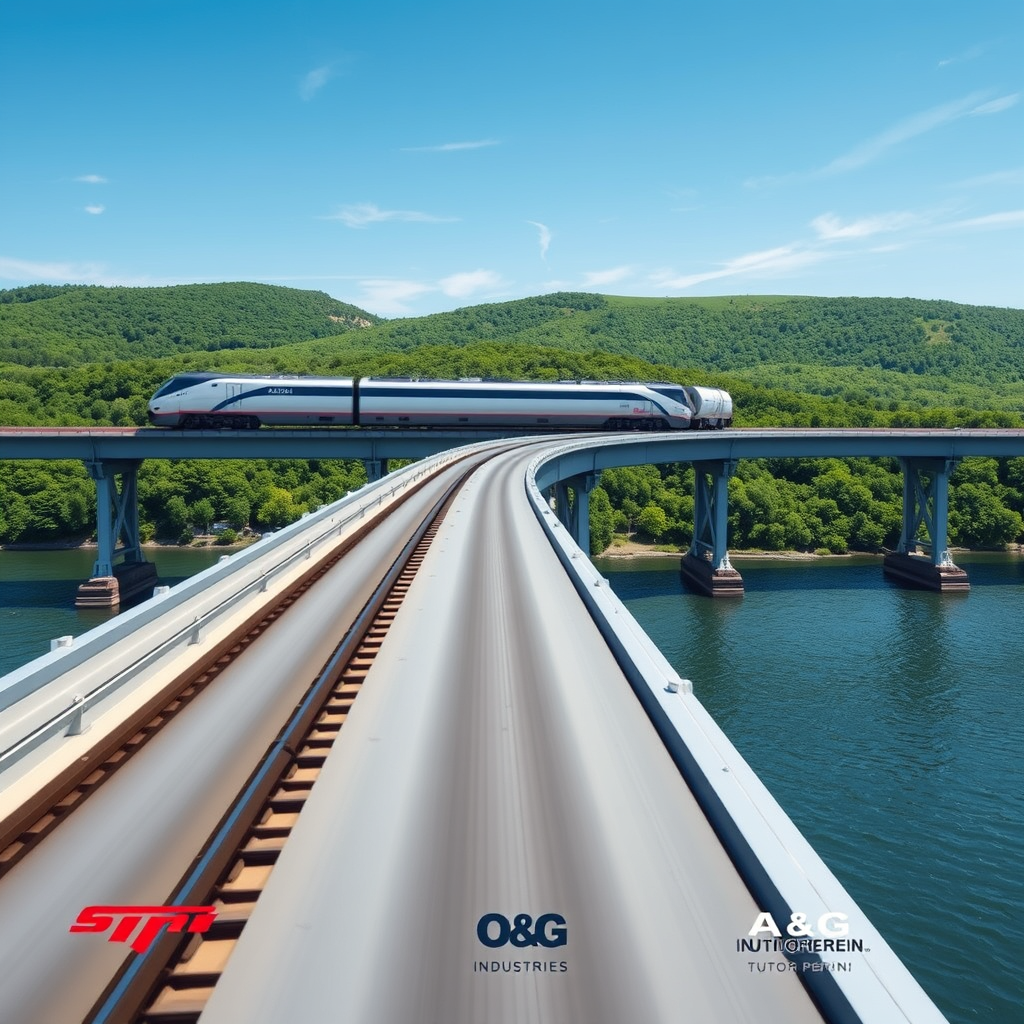
This article delves into the crucial infrastructure upgrade underway on Amtrak’s Northeast Corridor (NEC): the replacement of the aging Connecticut River Bridge. This $1.3 billion project, a joint venture between O&G Industries and Tutor Perini, signifies a significant investment in the modernization and enhancement of the NEC, a vital artery of passenger rail transportation in the northeastern United States. The replacement is not merely a matter of replacing an aging structure; it represents a strategic move to improve safety, increase operational efficiency, and bolster the long-term capacity of the NEC. The project’s scope encompasses not only the construction of a new bridge but also a comprehensive overhaul of the surrounding infrastructure to accommodate increased speeds and improved maritime navigation. The project’s funding, largely secured through a substantial federal grant, underscores the national significance of this undertaking and the commitment to modernizing America’s rail network. This article will examine the project’s technical aspects, its economic implications, and its broader significance within the context of Amtrak’s overall modernization strategy.
Project Scope and Design
The existing 1,500-foot (450-meter) Connecticut River Bridge, built in 1907, has reached the end of its serviceable life. The new two-track bridge will feature a significantly enhanced design. The increased vertical clearance will improve maritime navigation, addressing a long-standing constraint on river traffic. Perhaps the most impactful change will be the increase in allowable train speeds. The current speed limit of 45 mph will be raised to 70 mph, resulting in substantial reductions in travel time along this crucial section of the NEC. This improved speed capability is achieved through enhanced structural design and upgraded track systems. The project’s meticulous planning phase, now 100% complete, has ensured a seamless transition from design to construction. The design incorporates state-of-the-art materials and construction techniques, aimed at ensuring long-term durability and minimal maintenance requirements.
Funding and Economic Impact
The project’s substantial $1.3 billion price tag highlights the scale of this undertaking. A significant portion of the funding comes from a federal grant of $826.64 million allocated to the NEC project. This federal investment emphasizes the national strategic importance of maintaining and upgrading the NEC, a critical component of the nation’s transportation infrastructure. Beyond the direct construction costs, the project will generate significant economic benefits for the state of Connecticut. This includes job creation during the construction phase, increased economic activity in the surrounding communities, and improved transportation efficiency, ultimately benefiting businesses and commuters alike. The improved speed and reliability of rail service will enhance the competitiveness of Connecticut as a business location and improve the quality of life for its residents.
Integration with Broader NEC Modernization
The Connecticut River Bridge replacement is not an isolated project but a crucial element within Amtrak’s broader modernization plan for the NEC. This comprehensive strategy encompasses numerous projects aimed at upgrading the entire corridor, including improvements to signaling systems, track upgrades, and station renovations. The project aligns with other significant investments, such as the multi-billion dollar Frederick Douglass tunnel and the Susquehanna River Rail Bridge projects in Maryland, all receiving federal funding. The coordinated approach to these upgrades aims to create a more efficient, reliable, and high-speed rail system that can better meet the needs of the growing number of passengers and freight traffic along the corridor. This synergy between various projects maximizes the impact of investment and ensures that improvements are fully integrated and complementary.
Conclusions
The replacement of the Connecticut River Bridge is more than just a construction project; it represents a significant commitment to improving the Northeast Corridor (NEC) and modernizing America’s rail infrastructure. The $1.3 billion investment, largely funded by a federal grant, underscores the national priority of ensuring the long-term viability and efficiency of this vital transportation artery. The project’s key features – increased vertical clearance for improved maritime navigation and a substantial increase in train speed from 45 mph to 70 mph – will significantly enhance operational efficiency and reduce travel times. This project, in conjunction with other ongoing modernization efforts on the NEC, such as the Frederick Douglass tunnel and Susquehanna River Rail Bridge projects, showcases a strategic approach to modernizing America’s rail network. The economic impact extends beyond construction jobs, boosting the regional economy and improving Connecticut’s overall competitiveness. The successful completion of this project will not only improve the passenger experience but will also enhance the overall safety and efficiency of the NEC, demonstrating a commitment to sustainable, efficient, and reliable rail transportation for years to come. The meticulous planning and execution, along with the substantial federal investment, demonstrate a clear understanding of the importance of this project in supporting economic growth and improving the lives of millions who rely on the NEC for their daily commutes and transportation needs. Ultimately, this project serves as a model for future infrastructure investments, highlighting the need for strategic planning, significant financial commitment, and coordinated efforts to address the challenges and opportunities of maintaining a modern and efficient rail network. The long-term benefits of this investment will be felt for generations to come, ensuring the NEC remains a cornerstone of America’s transportation system.
RELATED POSTS
August 14, 2025 4:33 am
Rail apprenticeships are crucial for the railway industry's future, addressing...

February 27, 2021 5:30 am
This article examines the successful completion of a significant railway...

October 5, 2017 1:01 pm
To meet the needs of the growing city and urban...

September 7, 2025 10:30 pm
HS2 project in the Midlands creates 12,535 local jobs, with...

GE’s Power Conversion business has secured a contract from Deutsche...
May 17, 2018 5:07 pm
Union Pacific's Tier 4 switcher upgrade shows how 90%...