
Revolutionizing US-Mexico Freight: Rail’s New Powerhouse
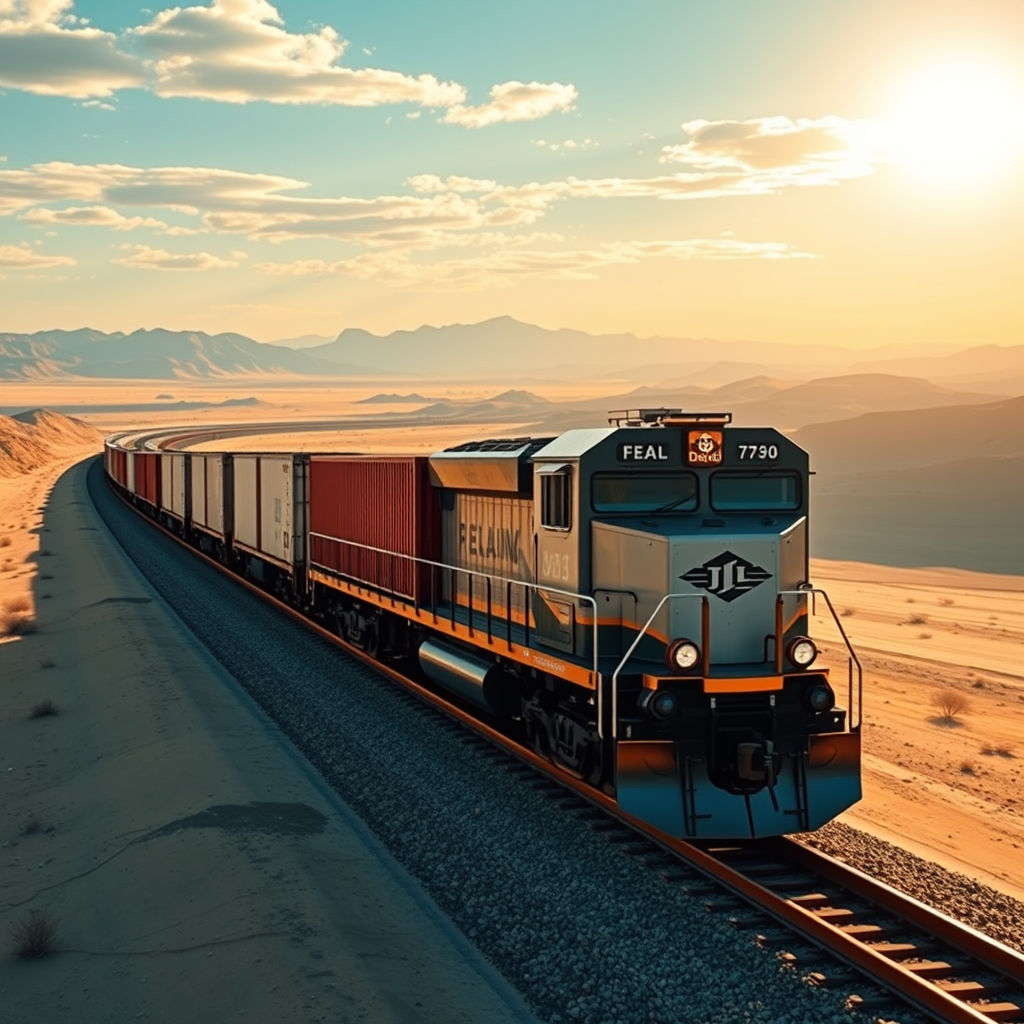
This article explores the significant advancements in North American intermodal freight transportation resulting from a new collaboration between Schneider National, CSX Transportation (CSX), and Canadian Pacific Kansas City (CPKC). This partnership introduces a novel intermodal service connecting burgeoning markets in Mexico and Texas with key Southeastern U.S. states such as Florida and Georgia. The initiative leverages the strengths of each company – Schneider’s expertise in logistics and supply chain management, CSX’s extensive Southeastern rail network, and CPKC’s robust transcontinental reach, including its unique Laredo rail bridge crossing. This strategic alliance promises to revolutionize supply chain efficiency, enhance sustainability efforts, and provide shippers with a more competitive and reliable transportation alternative to traditional over-the-road trucking. The ensuing analysis delves into the operational benefits, economic implications, and environmental considerations of this innovative intermodal solution, examining how it addresses critical challenges facing modern logistics and contributes to a more resilient and sustainable transportation ecosystem.
Enhanced Intermodal Network Connectivity
The new intermodal service dramatically improves the connectivity between Mexico, Texas, and the Southeastern United States. Historically, moving freight between these regions relied heavily on over-the-road trucking, a method often plagued by delays, increased costs, and fluctuating fuel prices. This new service, utilizing the combined rail networks of CSX and CPKC, offers a more efficient and reliable solution. The seamless integration of the two rail systems provides a continuous, streamlined transportation path, minimizing handling and reducing the risk of damage or loss. This is particularly impactful for shippers operating within the burgeoning manufacturing and distribution centers in Mexico and Texas, offering improved access to major consumption markets in the Southeast.
Streamlined Border Crossing and Customs Procedures
A key advantage of this initiative lies in its optimized border crossing procedures. Traditional trucking across the US-Mexico border often experiences significant delays due to customs inspections and logistical complexities. CPKC’s unique Laredo rail bridge crossing, however, allows for in-transit customs clearance, thereby bypassing many of these delays and reducing the risk of freight theft or damage during border stops. This continuous movement not only expedites delivery times but also significantly enhances the security and integrity of the supply chain. The efficiency gains from this streamlined border crossing are substantial, positioning the service as a more competitive option for time-sensitive shipments.
Sustainability and Environmental Benefits
The initiative is explicitly designed with sustainability at its core. Schneider’s commitment to environmentally responsible logistics is underscored by the substantial reduction in CO2 emissions offered by intermodal transport. Studies consistently demonstrate that rail freight significantly reduces greenhouse gas emissions compared to trucking, and this service is projected to achieve a 62% reduction in CO2 emissions compared to traditional Tier 5 truckload transportation. Further contributing to this positive environmental impact is Schneider’s utilization of lightweight, company-owned equipment and specialized heavy-haul permits to maximize payload and reduce fuel consumption.
Economic and Competitive Advantages for Shippers
The new intermodal service offers compelling economic advantages for shippers. By providing a more efficient and reliable transportation solution, it reduces overall transportation costs. This is achieved through lower fuel consumption, minimized delays, and reduced risk of damage or loss. The enhanced efficiency directly translates to lower operational expenses for shippers, providing them with a competitive edge in the marketplace. Furthermore, the service’s focus on nearshoring strategies, supporting the relocation of manufacturing facilities closer to consumption markets, provides additional logistical and economic benefits, further enhancing the overall competitiveness of the new intermodal service.
Conclusions
The collaboration between Schneider National, CSX, and CPKC marks a significant milestone in North American intermodal transportation. This new service represents a paradigm shift, moving away from the traditional reliance on over-the-road trucking for Mexico-Texas-Southeastern US freight movement. The integration of efficient rail networks, streamlined border crossing procedures, and a strong focus on sustainability offers a compelling alternative, providing several key benefits. The enhanced efficiency translates to reduced transportation costs, faster delivery times, and improved supply chain resilience. The reduction in CO2 emissions demonstrates a commitment to environmental responsibility, a growing concern for businesses and consumers alike. The economic benefits for shippers include increased competitiveness, access to new markets, and the ability to support nearshoring initiatives. Ultimately, this initiative showcases the power of strategic collaboration within the logistics industry to address key challenges, drive innovation, and create a more sustainable and efficient transportation ecosystem. The long-term implications for shippers, the environment, and the overall efficiency of North American supply chains are significant and point towards a future where intermodal solutions play an increasingly vital role.
RELATED POSTS

October 8, 2023 2:37 pm
UIC Leaflet No: 753-2 – Chapter 7 – Way and...
August 7, 2025 2:33 pm
Metrolink in Greater Manchester to undergo major renewal, expansion. ...
May 9, 2022 12:44 am
This article examines a significant investment by the European Commission...
March 3, 2020 5:11 am
This article examines the transition of Northern Rail services in...

June 8, 2025 8:42 pm
For Rail Professionals: 2025's breakthrough in rail innovation reveals customer...

December 5, 2009 8:14 pm
America Latina Logistica (ALL) in Brazil has ordered ten new...
COMMENTS