
Knorr-Bremse’s Rail Power Play: Alstom Acquisition
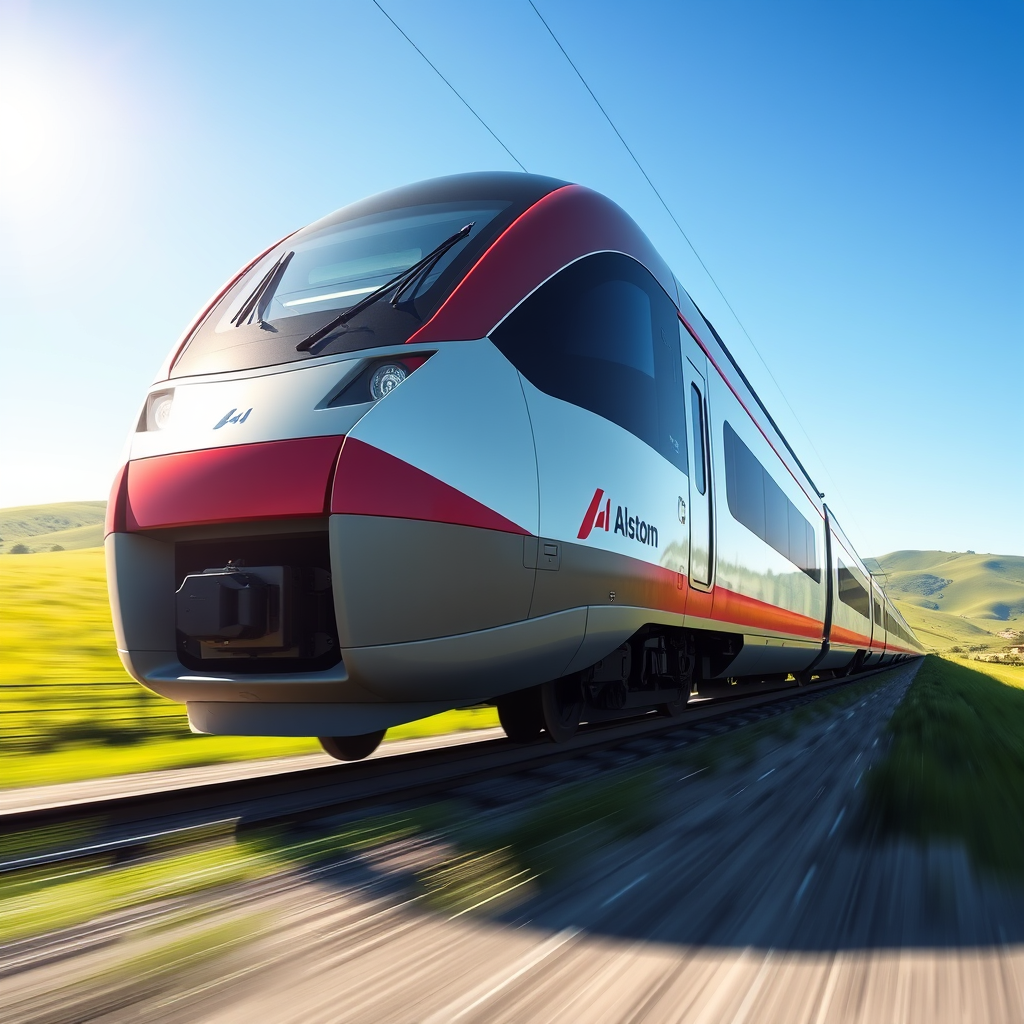
The global railway industry is undergoing a significant transformation, driven by the increasing demand for higher capacity, improved safety, and enhanced efficiency. This evolution necessitates a holistic approach to railway system design and operation, moving beyond individual component supply towards integrated system solutions. This article examines the strategic acquisition of Alstom Signaling North America by Knorr-Bremse, a move that represents a pivotal shift in the railway market landscape. The acquisition highlights the growing importance of Control, Command, and Signaling (CCS) systems within the broader railway ecosystem and the strategic advantages of vertical integration for railway suppliers. We will delve into the rationale behind Knorr-Bremse’s acquisition, analyzing its implications for the North American railway market, the competitive dynamics within the CCS sector, and the broader trends shaping the future of rail technology. This strategic move by Knorr-Bremse underscores the increasing convergence of traditionally separate railway technology domains and the imperative for companies to adopt comprehensive system-level approaches to meet the evolving demands of the industry.
Knorr-Bremse’s Expansion into the CCS Market
Knorr-Bremse, a prominent player in railway braking systems, has strategically broadened its portfolio by acquiring Alstom Signaling North America. This marks Knorr-Bremse’s entry into the lucrative CCS sector, significantly expanding its reach within the North American railway market. The acquisition is not merely an expansion; it represents a deliberate move towards becoming a comprehensive system supplier, offering integrated solutions across the entire railway ecosystem. This vertical integration allows Knorr-Bremse to offer a more cohesive and streamlined product offering, simplifying procurement for railway operators and enhancing system interoperability. The acquisition is a cornerstone of Knorr-Bremse’s “BOOST 2026” program, demonstrating a commitment to long-term growth and resilience within a rapidly evolving industry.
Strategic Rationale and Market Dynamics
Several key factors motivated Knorr-Bremse’s acquisition. The CCS market, valued at approximately €20 billion globally, presents a highly attractive opportunity for growth. Knorr-Bremse recognized the significant market entry barriers inherent in organically establishing a presence in the CCS sector. Acquisition provided a more efficient and faster route to market leadership. Furthermore, the substantial aftermarket potential associated with CCS systems presented a compelling long-term revenue stream. The integration of Alstom Signaling North America’s expertise in train control and signaling systems complements Knorr-Bremse’s existing strengths in braking technology, creating synergies that enhance the overall value proposition to customers. The deal also provides access to Alstom’s established customer base and ongoing projects, resulting in immediate revenue streams and market penetration.
Financial Implications and Future Growth
The acquisition of Alstom Signaling North America, valued at approximately $671 million, will be financed through a combination of existing liquidity and debt. This investment underscores Knorr-Bremse’s confidence in the long-term prospects of the CCS market and its ability to generate returns from this strategic move. The acquisition includes an undisclosed amount for additional profitable project business, highlighting the immediate value brought by Alstom’s existing contracts and pipeline. This strategic move positions Knorr-Bremse as a major player in the North American rail control, command, and signaling (CCS) market, enhancing its market share and competitive advantage. This increased market share allows for greater influence in shaping industry standards and driving technological advancements.
Impact and Future of Railway Technology
The acquisition has significant implications for the North American railway industry. Knorr-Bremse’s increased market presence will intensify competition and potentially lead to innovations in CCS technology. The integration of Alstom’s digital capabilities will enhance Knorr-Bremse’s ability to offer advanced data analytics and digital solutions for railway operations. This integration of data streams from both braking and signaling systems will facilitate the development of more sophisticated predictive maintenance programs, enhancing operational efficiency and reducing downtime. The combination of Knorr-Bremse’s established reputation and Alstom Signaling’s expertise is expected to accelerate the adoption of digitalization and advanced technologies within the North American railway industry, ultimately leading to safer, more efficient, and more sustainable rail transportation.
Conclusion
The acquisition of Alstom Signaling North America by Knorr-Bremse represents a significant development in the railway industry, marking a strategic shift towards integrated system solutions. By entering the CCS market, Knorr-Bremse has expanded its capabilities and solidified its position as a leading supplier in the North American rail market. The acquisition’s rationale is multifaceted, encompassing the lucrative nature of the CCS market, the substantial aftermarket potential, and the strategic advantages of vertical integration. The financial aspects of the deal demonstrate Knorr-Bremse’s commitment to long-term growth and their belief in the synergies created by this strategic move. The combined strengths of Knorr-Bremse and Alstom Signaling North America are poised to drive innovation and accelerate the adoption of advanced technologies in rail transport, enhancing safety, efficiency, and sustainability. The long-term impact will likely extend beyond North America, influencing global trends in railway technology and consolidation within the industry. This acquisition serves as a clear indication of the evolving landscape of the railway sector, where comprehensive system solutions and digital integration are increasingly crucial for success. The future of the railway industry hinges on such strategic partnerships and a commitment to technological advancement, a future that Knorr-Bremse is actively shaping with this pivotal acquisition.
RELATED POSTS

May 2, 2021 8:02 pm
The Cross Island Line (CRL) in Singapore: A Deep Dive...

November 9, 2025 12:54 am
Hitachi Rail modernizes Seville Port's signaling for a new freight-rail...

April 19, 2025 7:42 am
Introduction The integration of autonomous technology into various sectors is...

December 26, 2016 7:42 pm
Alstom has signed an agreement to acquire the UK’s Nomad...
May 2, 2025 8:44 pm
Introduction This article delves into the significant advancements in digital...
June 21, 2020 8:30 am
This article explores the burgeoning partnership between Alstom, a leading...