
Singapore MRT’s AI Cleaning Robot Revolution
The integration of autonomous technology into various sectors is rapidly transforming operational efficiencies and workflows.
Introduction
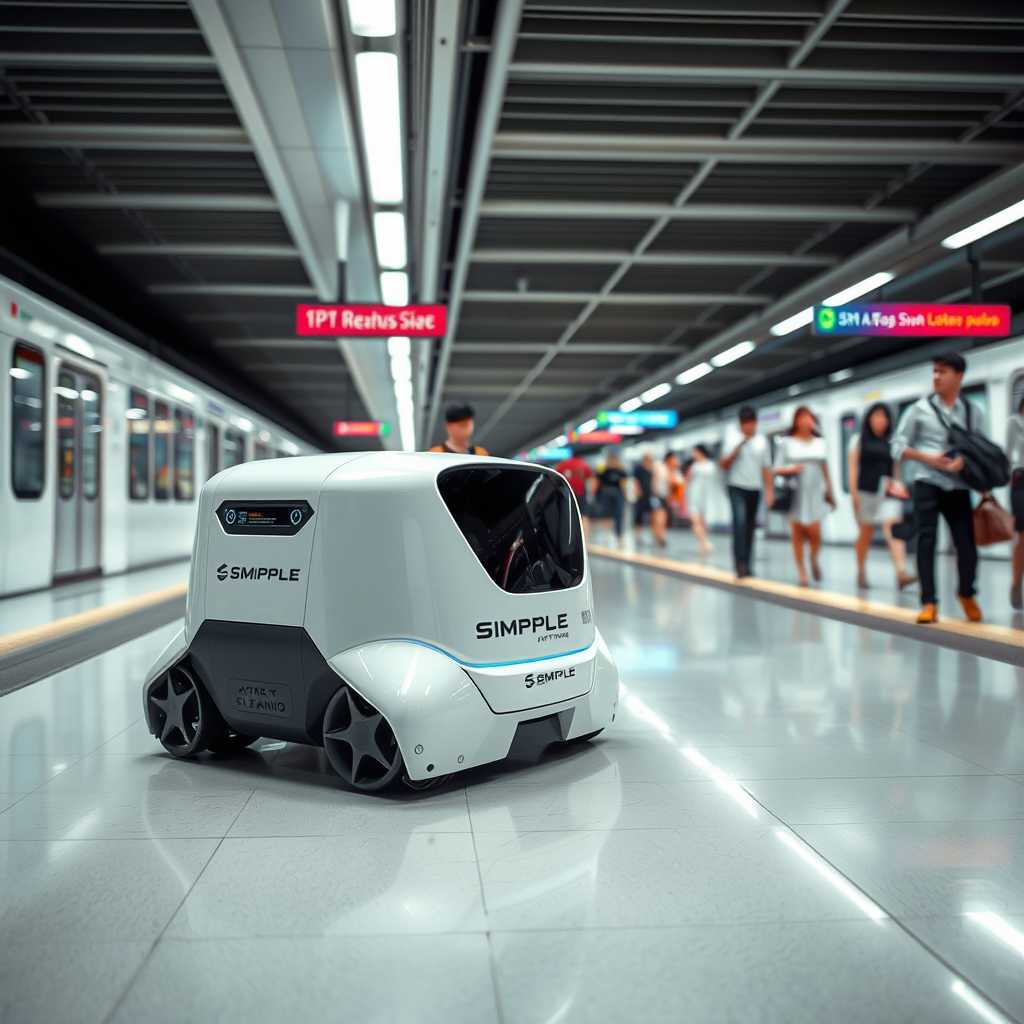
The integration of autonomous technology into various sectors is rapidly transforming operational efficiencies and workflows. This article explores a significant advancement in the railway industry: the deployment of autonomous cleaning robots on Singapore’s Mass Rapid Transit (MRT) lines. Specifically, we will examine the implementation of 89 autonomous cleaning robots by SIMPPLE, a facilities management technology provider, across three MRT lines in partnership with SMRT Trains. This initiative underscores the growing trend of automation and digital transformation within the rail sector, aiming to improve cleaning efficiency, optimize manpower allocation, and enhance the overall passenger experience. We will analyze the technological advancements underpinning these robots, the impact on workforce productivity and training, and the broader implications for the future of railway maintenance and operations, considering this a case study for other global rail networks. Finally, the wider implications for the railway industry and the potential for similar deployments worldwide will be discussed.
Autonomous Cleaning Robots: Enhancing Efficiency in MRT Stations
The deployment of 89 autonomous cleaning robots by SIMPPLE on Singapore’s MRT lines represents a significant step towards automating routine cleaning tasks. These robots, equipped with advanced sensors and Artificial Intelligence (AI), navigate MRT stations with high precision, performing thorough cleaning operations without direct human intervention. This technology not only increases cleaning speed—estimated at three times faster than manual cleaning—but also frees up human workers to focus on more complex and specialized tasks, such as deep cleaning of restrooms and addressing more intricate maintenance issues. The AI-powered navigation system allows for efficient path planning and obstacle avoidance, optimizing cleaning routes within the often crowded and complex environment of a train station. The integration of various sensor technologies, such as lidar and cameras, is crucial for safe and effective operation in a dynamic environment.
Workforce Transformation and Training
The introduction of autonomous cleaning robots necessitates a shift in the roles and responsibilities of human workers. Rather than performing repetitive cleaning tasks, the workforce is now trained to operate and maintain the robots, analyze operational data, and optimize cleaning workflows. This transition requires upskilling programs that focus on technical proficiency, data analysis, and troubleshooting. This transformation aligns with the wider industry trend towards outcome-based contracting, where the focus shifts from simply performing tasks to achieving specific performance metrics. By equipping the existing workforce with the skills to manage and oversee these automated systems, SMRT Trains ensures a seamless integration of technology into its existing operations and cultivates a more adaptable and skilled workforce.
Strategic Implications for the Rail Sector
SIMPPLE’s deployment of autonomous cleaning robots serves as a powerful case study for the wider rail industry. The success of this initiative demonstrates the potential for significant improvements in operational efficiency, cost savings, and overall service quality. The ability to free up human resources for higher-value tasks, combined with the increased speed and thoroughness of robotic cleaning, offers considerable advantages. Furthermore, the move towards outcome-based contracting necessitates a shift in focus from labor-intensive operations to performance-driven outcomes, making the adoption of such technologies essential for long-term sustainability and competitiveness within the railway sector. This successful implementation could incentivize other rail operators globally to adopt similar strategies to enhance their operations and improve passenger satisfaction.
Conclusions
The deployment of 89 autonomous cleaning robots by SIMPPLE on Singapore’s MRT lines marks a significant milestone in the integration of automation into railway operations. This initiative, undertaken in partnership with SMRT Trains, represents a strategic response to the evolving demands of the rail industry, focusing on efficiency, workforce optimization, and the transition to outcome-based contracting. The utilization of advanced sensors and AI enables precise navigation and efficient cleaning, exceeding the speed of human workers by a factor of three. The successful implementation highlights the potential for similar projects globally, driving a larger conversation around the adoption of advanced automation technologies within the rail sector. The retraining and upskilling of the existing workforce further demonstrates a commitment to responsible technological integration, ensuring that the transition benefits both the organization and its employees. This case study emphasizes not only the tangible benefits in improved cleaning efficiency and reduced labor costs but also the strategic advantages of adapting to a more data-driven and technologically advanced approach to railway management. The future of railway maintenance and operations is clearly moving towards greater automation and the seamless integration of intelligent systems, improving service quality and paving the way for more efficient and sustainable rail networks worldwide. The success in Singapore serves as a compelling example of the potential of such technologies to transform the rail industry globally, prompting further exploration and investment in similar initiatives across international railway networks. The successful integration of technology necessitates a proactive approach to workforce development, ensuring a skilled and adaptable workforce is ready to effectively manage these advanced systems.