
Copenhagen’s S-bane: GoA4 Automation by 2038
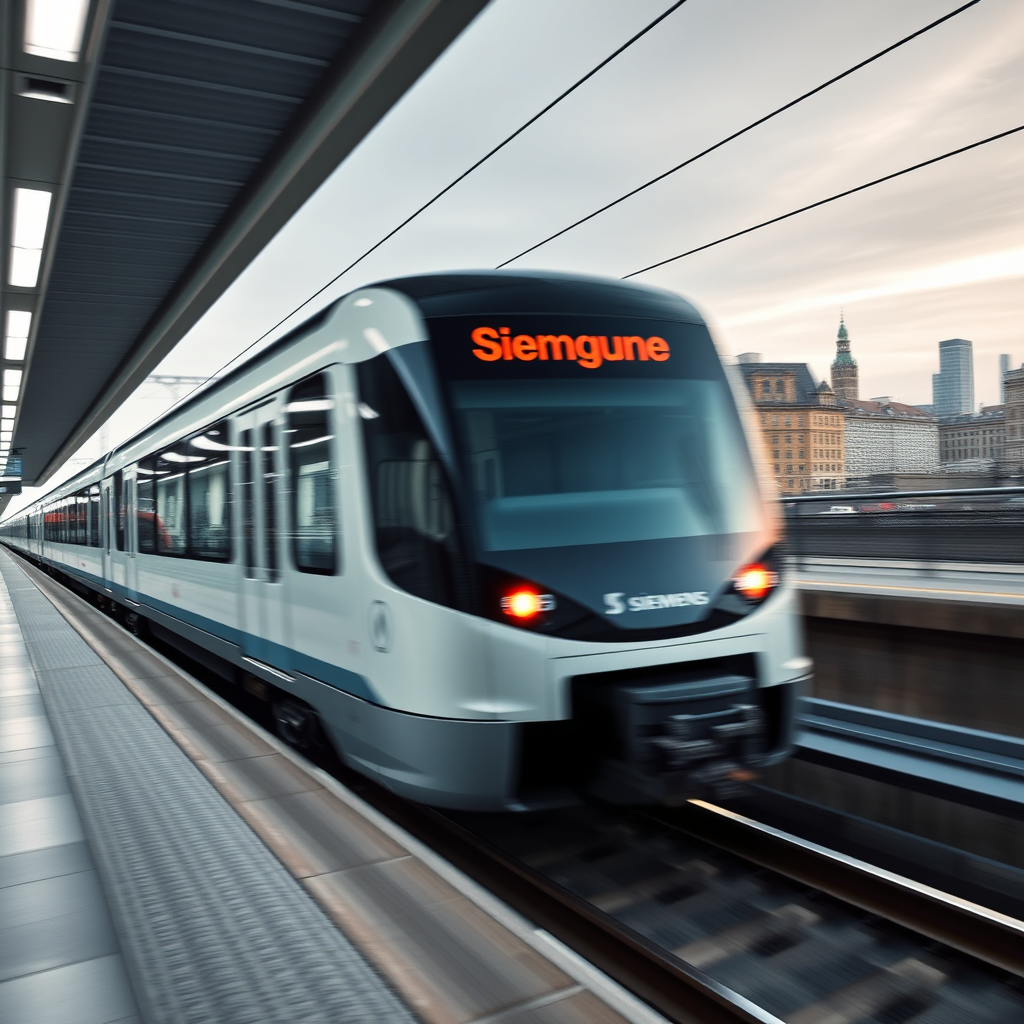
This article delves into the significant upgrade project underway for Copenhagen’s S-bane (commuter rail) network, transforming it into a fully automated system by 2033. This ambitious undertaking, a €270 million investment by Siemens Mobility, represents a substantial leap forward in urban rail technology, building upon previous collaborations and establishing Copenhagen as a model for modern, automated transit systems. The project’s scope, encompassing the entire 170km network and its integration with existing infrastructure, will ultimately create one of the world’s largest and most complex automated railway systems. The implications extend beyond simple automation, impacting passenger experience, operational efficiency, and the overall resilience of the network. This multi-phased project showcases the increasing global trend towards automated train operation and highlights the technological complexities and strategic planning required for such large-scale implementations. We will explore the technological advancements, phased implementation strategy, and the anticipated benefits for both passengers and the city of Copenhagen.
Automated Train Operation and Grade of Automation (GoA)
The core of the Copenhagen S-bane upgrade is the transition to fully automated train operation, specifically Grade of Automation 4 (GoA4). GoA defines the level of automation in a railway system, with GoA4 representing the highest level, where trains operate completely without a driver throughout the entire journey. This necessitates a sophisticated Communications-Based Train Control (CBTC) system, which allows for precise train control and positioning through continuous communication between the trains and the trackside infrastructure. Siemens’ existing CBTC installation on the S-bane provides a solid foundation for this upgrade, minimizing disruption and leveraging prior investments. The implementation of GoA4 will significantly impact operational procedures, requiring retraining of personnel and a comprehensive safety assessment to ensure seamless and safe operation.
Phased Implementation and the Future S-bane Programme
The upgrade is meticulously planned in five phases, starting with the F-Line between København Syd and Hellerup. This phased approach minimizes disruption to the existing service while allowing for rigorous testing and system integration at each stage. The project timeline envisions GoA4 passenger operations on the F-Line by the end of 2030. The entire network will utilize a mix of existing GoA2 trains (trains with some level of automation) and new GoA4 trains until 2038, at which point full automation is expected across the network. This gradual transition ensures a smooth transition for both operators and passengers, enabling adaptations and adjustments based on real-world experience gained during earlier phases. The overall strategy, part of the “Future S-bane” program, underscores a holistic approach to modernization, encompassing not only technological advancements but also passenger experience and operational efficiency. This careful approach is a model for successful large-scale railway modernization projects.
Technological Advancements and Infrastructure Considerations
The upgrade involves more than just installing new software. It requires significant infrastructure modifications to support GoA4 operation. This includes enhancements to signaling systems, communication networks, and power infrastructure. Existing infrastructure will be upgraded and integrated with new systems to ensure seamless operation. The integration of existing GoA2 trains with the new GoA4 system poses a significant technical challenge, requiring careful coordination and compatibility testing to avoid any operational conflicts. The successful implementation relies heavily on effective project management, robust testing procedures, and seamless collaboration between Siemens Mobility, Banedanmark (BDK), and DSB.
Benefits for Passengers and the City
The benefits of this upgrade extend beyond just technological advancement. The increased automation will lead to higher frequency services, improved punctuality, and faster recovery times from disturbances. This translates to a more reliable and efficient public transport system, capable of meeting the growing demands of Copenhagen’s population. Increased capacity and optimized scheduling through automated operation can significantly improve passenger experience, while the potential to adapt traffic services to real-time demand contributes to better resource allocation and reduced operational costs. This comprehensive approach, prioritizing both technology and passenger needs, marks a significant contribution to sustainable and efficient urban transportation.
Conclusion
The upgrade of Copenhagen’s S-bane to a fully automated GoA4 system marks a significant milestone in urban rail technology. The €270 million investment by Siemens Mobility, in collaboration with Banedanmark (BDK) and DSB, showcases a commitment to modernizing rail infrastructure and improving urban mobility. The phased implementation strategy, starting with the F-Line and extending across the entire 170km network by 2038, demonstrates a pragmatic approach to managing the complexities of such a large-scale project. The project’s success hinges on meticulous planning, efficient project management, and seamless integration of new and existing systems. The anticipated benefits—increased capacity, improved reliability, faster recovery from disturbances, and enhanced passenger experience—position Copenhagen as a leader in automated urban rail systems, setting a benchmark for other cities aiming to improve their public transportation networks. The project’s focus on a phased implementation, coupled with the integration of existing and new train technologies, offers valuable insights for future large-scale railway automation projects globally, emphasizing the importance of strategic planning, technological expertise, and a robust collaboration framework between involved stakeholders to ensure successful outcomes.
RELATED POSTS

August 4, 2025 1:33 pm
Everton FC's new stadium boosts Sandhills station upgrade, completed on...
March 22, 2025 1:29 pm
The transportation sector is under increasing pressure to reduce its...

Revolutionize tram safety with ZF ProAI's AI-powered hazard detection. ...
August 9, 2021 12:02 pm
The transportation sector, particularly freight rail, significantly contributes to greenhouse...
December 25, 2022 11:19 am
Introduction This article explores the burgeoning partnership between Alstom, a...
August 15, 2020 8:01 am
This article examines the significant award of the Shenzhen Metro...