
Electric Locomotives: Ohio’s Green Rail Revolution
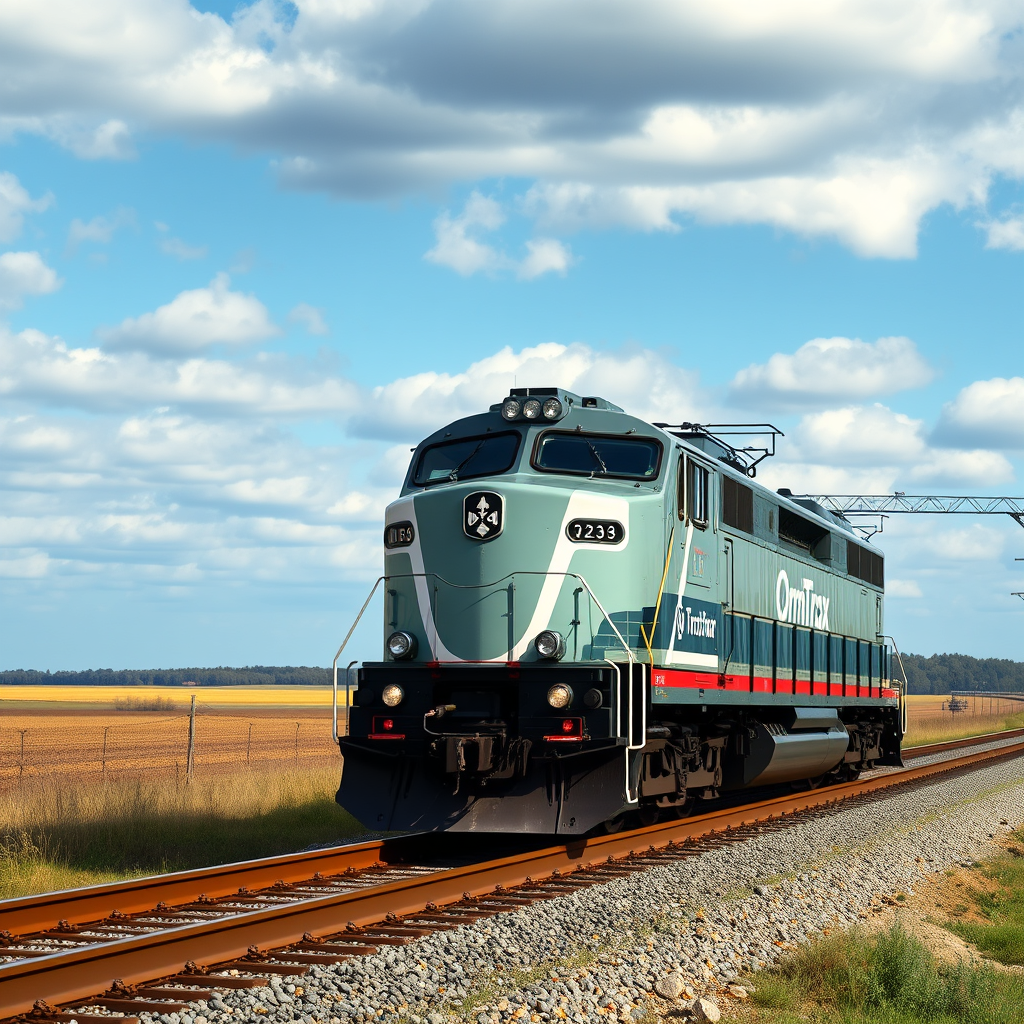
The transportation sector is under increasing pressure to reduce its environmental impact, and the railway industry is no exception. This article explores the significant advancements in sustainable railway technology, specifically focusing on the recent deployment of an all-electric locomotive by OmniTrax in northern Ohio. This deployment marks a pivotal moment, demonstrating the practical application of battery-electric technology in mainline freight operations and highlighting the potential for widespread adoption to significantly reduce greenhouse gas emissions and improve air quality along rail corridors. The integration of this new locomotive into the existing fleet represents a strategic investment in a cleaner future for the railway industry, offering a compelling case study for other operators considering similar transitions. The financial and environmental benefits, coupled with the technological advancements showcased, will be examined in detail, along with the challenges and considerations for broader implementation.
The Rise of Battery-Electric Locomotives
OmniTrax’s Newburgh & South Shore Railroad (NSR) has recently introduced the AMPS Traction G9, a fully battery-electric locomotive designated as NSR Locomotive 1234, into its northern Ohio operations. This represents a substantial step forward in the adoption of electric traction for freight railroads. Unlike diesel-electric locomotives (which use a diesel engine to generate electricity for traction motors), the G9 utilizes a large battery pack to power its traction system, eliminating direct diesel emissions at the point of operation. This technology offers the potential for significant reductions in greenhouse gas emissions (GHGs), specifically carbon dioxide (CO2), nitrogen oxides (NOx), and particulate matter (PM), compared to traditional diesel locomotives. The FRA (Federal Railroad Administration) compliance of the G9 assures its safety and adherence to rigorous operating standards.
Environmental Impact and Operational Efficiency
According to OmniTrax, the G9 boasts impressive reductions in fuel consumption and emissions. The company claims a 50% decrease in fuel consumption compared to equivalent diesel locomotives, alongside a 77% reduction in NOx emissions and particulate matter. These figures highlight the significant environmental benefits of transitioning to battery-electric technology. Beyond environmental gains, the improved efficiency translates into cost savings for the railway operator through reduced fuel expenses and potentially lower maintenance costs associated with the absence of a diesel engine. However, the initial capital investment for battery-electric locomotives is typically higher than for diesel units, a factor that needs consideration in wider adoption strategies.
Technological Advancements and Infrastructure Considerations
The success of battery-electric locomotives relies heavily on battery technology advancements. The G9’s battery pack needs to provide sufficient energy density and charging capabilities to meet the demands of mainline freight operations. This includes consideration for the range, the ability to handle varying gradients and loads, and efficient charging infrastructure. The deployment of such locomotives requires careful planning regarding charging stations and their placement along rail lines. The availability of reliable, high-capacity charging infrastructure is crucial for ensuring operational efficiency and minimizing downtime. Further research and development into battery technologies will undoubtedly lead to improved energy density and longer operating ranges, making battery-electric locomotives more versatile for diverse operational scenarios.
Broader Implications and Future Prospects
The OmniTrax initiative provides a strong example for other railway companies to follow in their pursuit of sustainable operations. While the initial investment in battery-electric locomotives is significant, the long-term benefits in terms of reduced operating costs, environmental impact reduction, and improved public image are substantial. The success of this deployment will encourage further innovation and investment in battery-electric and other alternative traction technologies for the rail industry. Government incentives and support programs, such as the grant mentioned by OmniTrax, will play a vital role in accelerating the transition to sustainable railway operations. Future developments are likely to include advancements in battery technology, improved charging infrastructure, and the integration of energy storage systems for increased operational efficiency and grid stability. Further research into hydrogen fuel cell technology also offers promising alternatives for achieving emissions-free rail transportation.
Conclusions
The introduction of the AMPS Traction G9 all-electric locomotive by OmniTrax marks a significant milestone in the railway industry’s pursuit of environmental sustainability. This deployment in northern Ohio showcases the practical viability and substantial benefits of battery-electric technology for freight operations. The demonstrated 50% reduction in fuel consumption and 77% reduction in NOx emissions and particulate matter underscore the environmental advantages. While the initial capital investment requires careful consideration, the long-term cost savings, combined with the positive environmental impact and enhanced public perception, present a compelling case for broader adoption. The success of this project highlights the need for continued investment in battery technology, charging infrastructure development, and supportive government policies. This transition to greener rail transportation is not only environmentally responsible but also economically advantageous in the long run. The future of the railway industry likely involves a diverse mix of sustainable technologies, including battery-electric, hydrogen fuel cell, and potentially other innovative solutions, working collaboratively to reduce the environmental footprint of rail transportation worldwide. The OmniTrax initiative serves as an inspiring example of what’s possible, paving the way for a cleaner, more efficient, and sustainable future for the global railway network.
RELATED POSTS

August 1, 2025 3:33 pm
North American intermodal rail traffic surges, defying trade uncertainty. ...

June 29, 2025 1:33 pm
French rail unions warn of €2B funding crisis, threatening European...

December 12, 2022 8:27 pm
This article examines the significant €120 million contract awarded to...
August 9, 2019 7:35 am
The Unclaimed Millions: Improving Passenger Compensation in the UK Rail...
January 6, 2023 3:15 pm
Introduction India’s railway system, one of the world’s largest, is...
January 18, 2021 11:34 pm
Introduction This article examines the significant impact of a 40%...