
**Wigan-Bolton Electrification: North West Rail Capacity Boost**
Wigan to Bolton railway line now fully electrified, boosting North West rail capacity. Network Rail completes £100M project, improving passenger service.
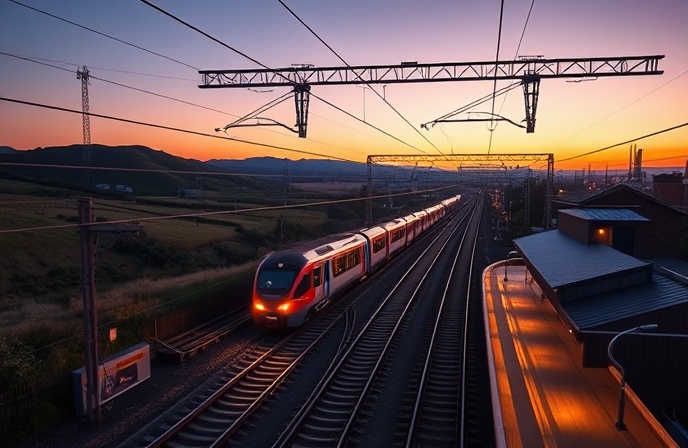
Electrification Completes on Wigan to Bolton Line, Boosting North West Rail Capacity
Network Rail has successfully commissioned the electrification of the 6.5-mile railway line between Wigan and Bolton, following overnight work on Saturday, July 26th. This milestone marks the culmination of a multi-year, £100 million investment from the Department for Transport. The project, delivered by Network Rail in collaboration with its supply chain and train operating partners, has transformed the route, bringing electric power to passenger services and setting the stage for improved rail connectivity across the North West of England. The project included significant infrastructure upgrades such as platform extensions, new overhead lines and bridge modifications. This article details the project’s key achievements, examines the benefits to passengers and the local community, and considers the implications for the wider rail network.
Overhead Line Infrastructure Enhancement
A core component of this electrification project involved the extensive installation of new overhead line equipment (OLE). Over 21 kilometres of power lines were installed, supported by 414 new overhead line equipment stanchions. This infrastructure upgrade is essential to provide a reliable and efficient power supply for electric trains. The OLE system is designed to deliver 25kV AC power, the standard for UK mainline electrification, enabling cleaner and quieter electric trains to run along the route. Furthermore, the project’s design ensures the OLE system is compatible with future enhancements, accommodating potential increases in train frequency and capacity as demand grows. This upgrade allows for more efficient use of the existing infrastructure and is also important for enhancing operational reliability for train operators.
Bridge and Station Modifications
A critical element of the electrification project was the adaptation of existing infrastructure to accommodate the overhead power lines. This involved the complete reconstruction of six road bridges and one footbridge, along with modifications to a further 17 bridges and two level crossings. The project’s scope was extensive to provide the necessary clearance for overhead lines and to ensure compliance with safety regulations. Alongside bridge works, platform extensions were completed at Hindley, Westhoughton, and Ince stations. These extended platforms are designed to accommodate longer trains with more carriages, enhancing passenger capacity and improving connectivity. These improvements at key stations ensure the North West region can experience the benefits of longer, more efficient trains.
Operational and Environmental Benefits
The electrification of the Wigan to Bolton line offers significant operational and environmental benefits. Electric trains, which are quieter and more reliable, will replace diesel-powered services, improving air quality for communities along the route and reducing noise pollution. Moreover, the upgrade facilitates the running of longer trains, boosting passenger capacity and improving connectivity across the North West. The electrification also aligns with upgrades to the train maintenance facility at Wigan Springs Branch, enhancing the overall efficiency of the rail network. Craig Harrop, Regional Director for Northern, highlighted the positive impact, stating that the investment supports “faster, more reliable and more sustainable journeys in the future, helping us deliver a better, greener railway for the North.”
Conclusion
The successful electrification of the Wigan to Bolton line represents a significant advancement in the modernization of the North West rail network. The project’s completion marks a triumph for collaborative efforts involving Network Rail, its supply chain, train operators, and local authorities. The introduction of electric power, coupled with infrastructure upgrades like platform extensions, establishes a foundation for enhanced passenger service and improved regional connectivity. By facilitating longer, more frequent, and cleaner trains, this investment not only enhances the passenger experience but also contributes to broader sustainability goals by reducing the reliance on diesel traction. The project’s success serves as a model for future rail electrification initiatives, highlighting the importance of meticulous planning, effective stakeholder management, and a commitment to innovation. As demand for rail travel continues to rise, the benefits of this electrification project will undoubtedly contribute to a more efficient, environmentally friendly, and passenger-focused railway system across the North West of England.
RELATED POSTS
October 7, 2025 12:54 pm
**Option 1 (Focus on new trains):**> London's DLR unveils new...
September 19, 2025 11:55 am
Cando Rail & Terminals secures USD 100M loan for Sturgeon...
July 11, 2024 6:34 pm
DB invests €200M to expand ICE 3neo cross-border service to...

February 22, 2020 10:14 am
The Evolution of Old Oak Common Station: A Case Study...
June 20, 2025 10:49 pm
Thomas the Tank Engine documentary premieres at Railway 200 celebration...
June 25, 2020 7:42 am
This article analyzes the acquisition of Hector Rail Group, a...