
ICE 3neo: DB’s High-Speed Rail Expansion in France & Poland
DB invests €200M to expand ICE 3neo cross-border service to France & Poland, aiming for Berlin-Warsaw direct high-speed lines.
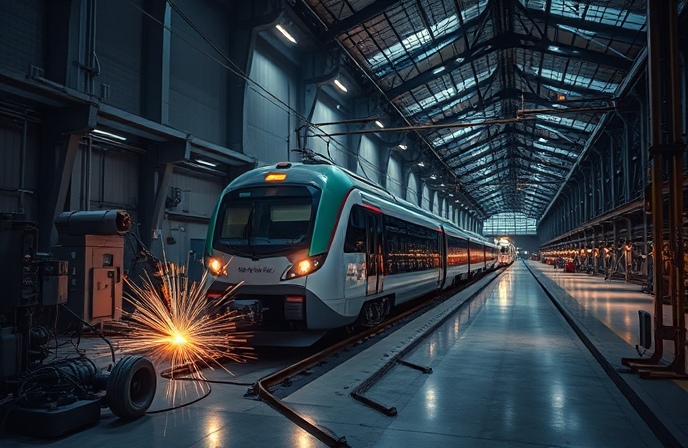
Deutsche Bahn Invests Heavily to Expand ICE 3neo Cross-Border Services
Deutsche Bahn (DB), Germany’s national railway operator, is significantly expanding its international high-speed rail network with a EUR 200 million investment to equip its ICE 3neo fleet for operation in France and Poland. This ambitious project will see up to 32 ICE 3neo trainsets adapted, allowing for the first direct high-speed services between Berlin and Warsaw. This initiative underscores DB’s commitment to expanding its European network and providing faster, more convenient cross-border travel. The project addresses the growing demand for international travel and supports European integration by improving rail connectivity. The modifications, carried out by Siemens Mobility, involve technical adaptations to meet the specific requirements of the French and Polish rail systems. Certification is expected to be completed by 2031, with services continuing to operate in Belgium and the Netherlands.
Technical Adaptations and Infrastructure Requirements
Siemens Mobility is undertaking the critical task of modifying the ICE 3neo trainsets at its Krefeld plant. This involves integrating country-specific components to ensure compatibility with the signalling and control systems used in France and Poland. Specifically, these adaptations will likely include the installation of the European Train Control System (ETCS), a standardized signalling system designed to improve interoperability across the European Union. Additionally, modifications may be required for the trains’ pantographs to operate with different overhead line voltages used in the respective countries. The detailed technical specifications are determined by the national rail authorities in France and Poland, and extensive testing and approval processes are essential for safety and operational reliability. The project requires extensive collaboration between Siemens Mobility, DB, and the regulatory bodies of all participating countries to navigate these requirements and ensure smooth cross-border operations.
Impact on Operational Schedules and Delivery Timelines
The upgrade process will necessitate adjustments to the delivery schedules of certain ICE 3neo units, with some trains expected to have their deployment extended through 2032. This is due to the complex nature of the modifications, testing, and certification processes. While these delays may impact initial service rollout, the long-term benefits of improved cross-border connectivity are seen as outweighing the temporary disruptions. The careful phasing of the modifications and the integration of the upgraded trains into the existing fleet are critical for managing service continuity. The commitment of DB and Siemens Mobility to efficient project management and close collaboration with rail authorities will minimize disruptions and ensure a seamless transition to the expanded international services.
Passenger Experience and Interior Design Enhancements
The ICE 3neo has already received high ratings for comfort and design, and these features will continue to play a crucial role in attracting passengers to cross-border rail services. The train’s modern interior design, introduced in October 2023, emphasizes passenger comfort with individual “retreat” seats designed for greater adjustability. The use of flowing forms, wood accents, and high-quality fabrics in muted tones creates a comfortable and inviting atmosphere. These interior improvements, combined with the enhanced speed and convenience of direct services, make the ICE 3neo an attractive alternative to air travel. Further refinements in seat design, lighting, and onboard amenities are anticipated as the trains are adapted for the French and Polish markets, further enhancing passenger satisfaction.
Industry Endorsement and Government Support
The expansion of the ICE 3neo cross-border services enjoys the support of both the German government and other key stakeholders, including the Federal Ministry for Transport. This support stems from the project’s role in fostering international cooperation and providing an environmentally friendly mode of transport. The government views the project as a crucial step towards deepening cooperation with France and Poland, aligning with broader European Union goals to promote sustainable transportation and facilitate cross-border mobility. Public-private partnerships are essential in this initiative. The collaborative effort between DB and Siemens Mobility, alongside government investment and regulatory cooperation, is instrumental to the success of expanding the ICE 3neo network and its integration into the European rail network.
Conclusion
Deutsche Bahn’s significant investment in expanding its ICE 3neo fleet for cross-border services represents a strategic move to capitalize on the growing demand for international travel. By investing EUR 200 million to adapt up to 32 trains for operation in France and Poland, DB is not only increasing its service offerings but also furthering European integration by improving rail connectivity. The project’s success hinges on technical expertise, robust infrastructure, and streamlined certification processes. These developments will enable direct services between Berlin and Warsaw, offering a convenient, climate-friendly travel option and further enhancing the passenger experience through improved comfort and design. The phased approach to train modifications and government support demonstrates the collaborative approach required for seamless integration within the European rail network. Furthermore, with positive feedback from passengers and continuing government support, this endeavor could provide a blueprint for future cross-border projects, reinforcing rail’s critical role in European transport.
Company Summary:
Deutsche Bahn (DB) is the primary railway operator in Germany, and a significant player in the European rail sector. DB is responsible for a vast network of passenger and freight services. The company is committed to promoting sustainable transport solutions and expanding its international high-speed rail network. The DB Group includes businesses in transport, logistics, and infrastructure, operating in over 130 countries. The company has invested heavily in the modernization of its fleet and railway infrastructure to meet the growing demands of both passengers and freight customers, including sustainable transport solutions.
Siemens Mobility is a leading global provider of transportation solutions, specializing in rolling stock, rail infrastructure, and related services. As a subsidiary of Siemens AG, Siemens Mobility plays a crucial role in railway technology, including high-speed trains, signaling systems, and automation solutions. The company has a long history of innovation in the railway industry, from designing and manufacturing ICE trains to implementing advanced technologies for improved traffic management and safety. Siemens Mobility has been involved in numerous projects globally and is a major contributor to a safer and more efficient rail system for Europe and beyond.

Railwaynews.net is a railway information and news platform. Website presents from all around the world railway sector news, developments, projects and tender for the sector specialists. Railwaynews supports to industry events and announced them for potential participants.
Railwaynews plans to collecting data from all around the world, about railway infrastructure, rolling stock, railway transportation datum, geographical datum to present for railway professionals for short term. Railwaynews will build new platforms aims to high value railway business environment for all railway specialists, railway fans and especially railway suppliers and their decision makers. Railwaynews presents whole information from rail professionals to rail professionals.
RELATED POSTS
April 2, 2026 9:48 am
China expanded its high-speed rail network to 50,000 km by...
April 1, 2026 6:21 pm
Federal Transit Administration awarded $20.6 billion in formula-based apportionments to...
April 1, 2026 2:14 pm
Saudi Arabia Railways launched a 1,700 km freight rail corridor...
April 1, 2026 8:40 pm
BNSF Railway expands Galesburg, Illinois, yard capacity, with second hump...
April 1, 2026 12:10 pm
Alstom secured a €410 million contract from CFR SA to...
April 4, 2026 2:14 pm
China expanded its high-speed rail network to 50,000 km by...