
Siemens Vectron Dual Mode: Green Rail Revolution
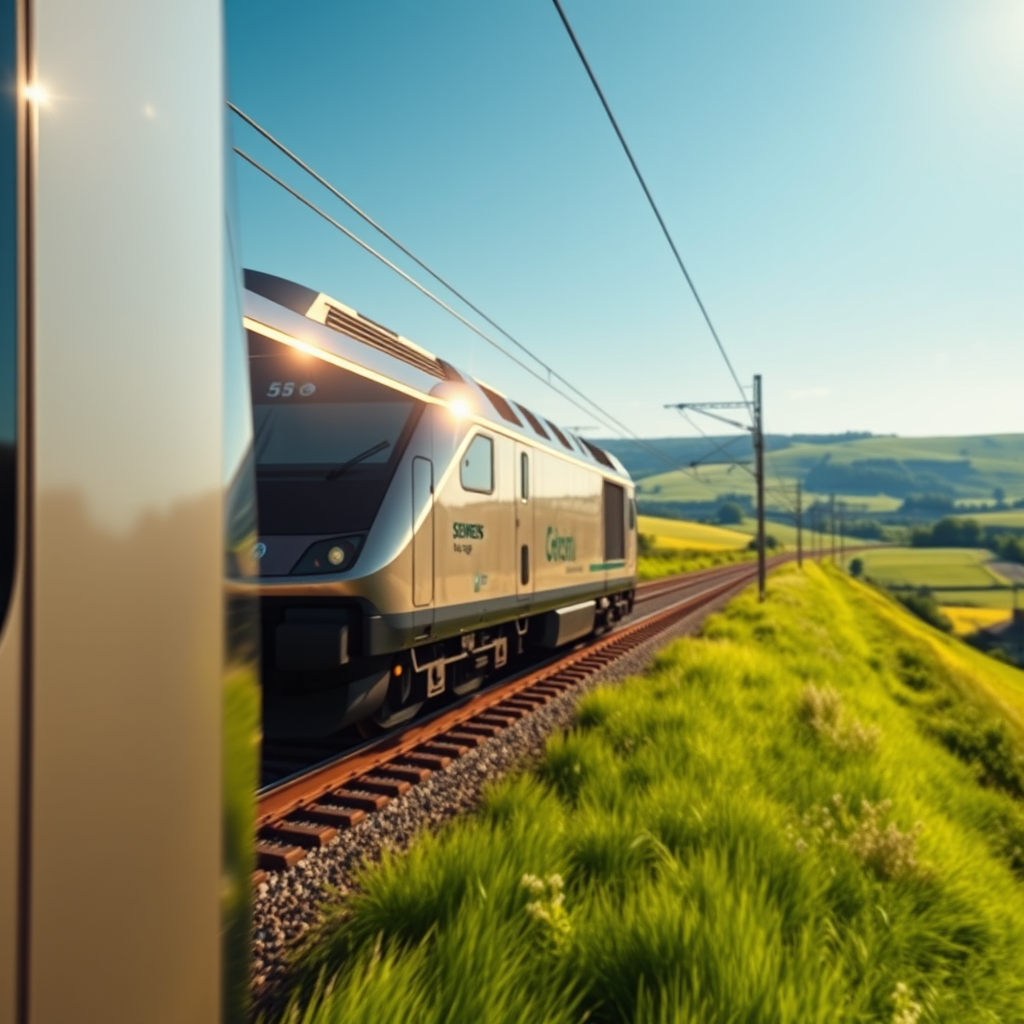
This article explores the significant advancements in environmentally sustainable railway transportation with the unveiling of Siemens Mobility’s new Vectron Dual Mode light hybrid locomotive for DB Cargo (Deutsche Bahn Cargo). The introduction of this locomotive represents a crucial step towards decarbonizing the freight rail sector in Germany and beyond. The development prioritizes emission reduction, operational efficiency, and future-proofing through the integration of advanced technologies. We will delve into the technical specifications of the locomotive, its operational implications for DB Cargo, the broader context of the German railway’s sustainability goals, and the potential for wider adoption of this technology across the European rail network. The analysis will highlight the economic and environmental benefits of hybrid locomotive technology, considering both its immediate impact and long-term contribution to a more sustainable transportation system. Furthermore, we’ll examine the role of technological innovation in achieving ambitious climate targets within the freight transport sector.
The Vectron Dual Mode Light: A Technological Leap
Siemens Mobility’s Vectron Dual Mode light locomotive represents a significant advancement in hybrid rail technology. The lighter weight compared to its predecessor, the original Vectron Dual Mode, results in improved energy efficiency and reduced wear and tear on the rail infrastructure. This reduced weight is achieved through optimized design and the use of lightweight materials without compromising structural integrity or operational capabilities. The ability to seamlessly switch between electric and diesel power is a key feature, enabling operation across diverse rail networks, even those lacking comprehensive electrification. This flexibility is critical for maintaining operational efficiency and minimizing service disruptions. The locomotive’s dual-mode capability makes it exceptionally versatile, adaptable to various rail network conditions and significantly reducing the reliance on diesel-only operation.
Operational Implications for DB Cargo
DB Cargo’s acquisition of 150 Vectron Dual Mode light locomotives marks a substantial investment in its sustainability strategy. The projected fuel savings of 12 million liters annually and the reduction of carbon emissions by 25,000 tons per year are considerable. This represents a major step towards DB Cargo’s ambitious goal of equipping 70% of its diesel locomotives with innovative drives by 2030, aligning with Deutsche Bahn’s broader target of carbon neutrality by 2040. The deployment of these locomotives, starting in the Halle (Saale) marshalling yard in Saxony-Anhalt and Saxony, will provide valuable real-world operational data, informing future deployment strategies and refining operational practices for maximum efficiency and environmental benefit.
Environmental Sustainability and the Future of Freight Rail
The introduction of the Vectron Dual Mode light locomotive underscores the growing importance of environmental sustainability in the railway sector. The use of sustainable fuels like Hydrotreated Vegetable Oil (HVO) further minimizes the environmental footprint, offering an almost CO2-free supply chain for DB Cargo’s customers. This commitment to environmental responsibility not only enhances the company’s image but also attracts environmentally conscious clients, fostering a competitive advantage in the market. This initiative directly contributes to broader European Union (EU) targets for reducing greenhouse gas emissions from transportation, promoting a transition to more sustainable and environmentally friendly freight transportation systems.
Technological Integration and Future-Proofing
The Vectron Dual Mode light locomotive is not simply a hybrid powertrain; it is also a technological showcase. Features like remote control shunting and the integration of the European Train Control System (ETCS) exemplify Siemens Mobility’s commitment to digitalization and future-proofing rail technology. ETCS (European Train Control System) is a crucial element enhancing safety and efficiency. The remote control shunting capabilities improve operational efficiency and reduce labor costs. These technological advancements ensure that the locomotive remains relevant and efficient for years to come, maximizing the return on investment while consistently contributing to sustainable rail operations. The incorporation of these advanced technologies demonstrates a commitment to ongoing innovation and adaptation to evolving industry needs.
Conclusions
The partnership between Siemens Mobility and DB Cargo, culminating in the launch of the Vectron Dual Mode light locomotive, represents a pivotal moment in the evolution of sustainable freight rail. This initiative goes beyond a simple technological upgrade; it embodies a commitment to environmental responsibility, operational efficiency, and long-term strategic planning. The projected environmental gains, including substantial fuel savings and significant reductions in carbon emissions, are substantial and demonstrate a clear pathway toward a more sustainable transportation sector. The integration of advanced technologies like ETCS and remote control shunting capabilities future-proofs the locomotive, ensuring its continued relevance and efficiency in an ever-evolving technological landscape. The success of this initiative in Germany has the potential to serve as a model for other railway operators across Europe and globally, inspiring the widespread adoption of hybrid and sustainable rail technologies. The demonstrable economic and environmental benefits of the Vectron Dual Mode light locomotive make a compelling case for widespread adoption, contributing significantly to the broader goals of decarbonizing the freight transport sector and creating a more sustainable future for the railway industry.
RELATED POSTS

April 16, 2021 10:18 pm
Introduction This article examines the significant investment by Luxembourg in...

July 22, 2025 8:33 am
Port KC gets $2.5M grant for grade crossing elimination, boosting...
May 30, 2025 10:00 am
News Article: Metro Extension to Washington Gains Momentum with Arup...
November 25, 2025 3:01 pm
Bulgaria's Plovdiv rail junction upgrade, a major infrastructure project, is...

May 9, 2025 9:49 pm
Stadler Secures Major EMU Contract with GYSEV: A Case Study...
July 17, 2025 9:33 am
Singapore’s Sengkang-Punggol LRT Set for Major Modernization with New LRVs...