
Luxembourg’s €300M Rail Revolution: Modernization & Growth
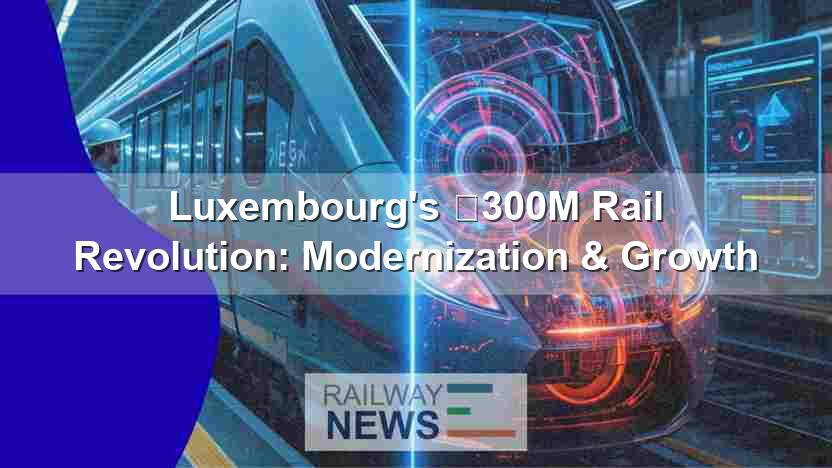
The €300 million investment by Luxembourg in its rail network, including procurement of new rolling stock, infrastructure upgrades to central station, and collaborations with neighboring countries, aims to modernize and enhance passenger services, addressing capacity issues and improving operational efficiency.
Introduction
This article examines the significant investment by Luxembourg in its rail network, focusing on the strategic rationale behind this substantial financial commitment and its implications for the future of rail transport in the country. The €300 million ($352.21 million USD) investment announced by the Ministry of Mobility and Public Works encompasses a multifaceted modernization plan. This plan includes the procurement of new rolling stock, infrastructure upgrades to Luxembourg City’s central station, enhancements to passenger amenities such as parking facilities, and collaborations with neighboring countries to improve cross-border rail connectivity. We will delve into the specifics of these projects, analyzing their potential impact on passenger capacity, operational efficiency, and the overall sustainability of Luxembourg’s transportation sector. The increase in passenger traffic by 85% in under two decades underscores the urgent need for these improvements and highlights the potential for rail to play an even more significant role in the country’s future transportation strategy. The article will also discuss the broader context of this investment within the European Union’s framework for rail development and the implications for regional integration.
Rolling Stock Modernization
A cornerstone of Luxembourg’s rail development plan is the procurement of 34 new trains from Alstom, a leading French manufacturer of rolling stock. This significant investment signals a commitment to improving the quality and reliability of passenger services. The new trains are expected to offer enhanced passenger comfort, improved accessibility features for individuals with disabilities, and modern technological systems for improved operational efficiency. The introduction of this new fleet will undoubtedly contribute to increased capacity and potentially allow for more frequent services on existing lines. The choice of Alstom highlights the importance of collaborating with established and experienced rolling stock manufacturers to ensure the long-term sustainability and reliability of the rail network.
Infrastructure Enhancements at Luxembourg City Central Station
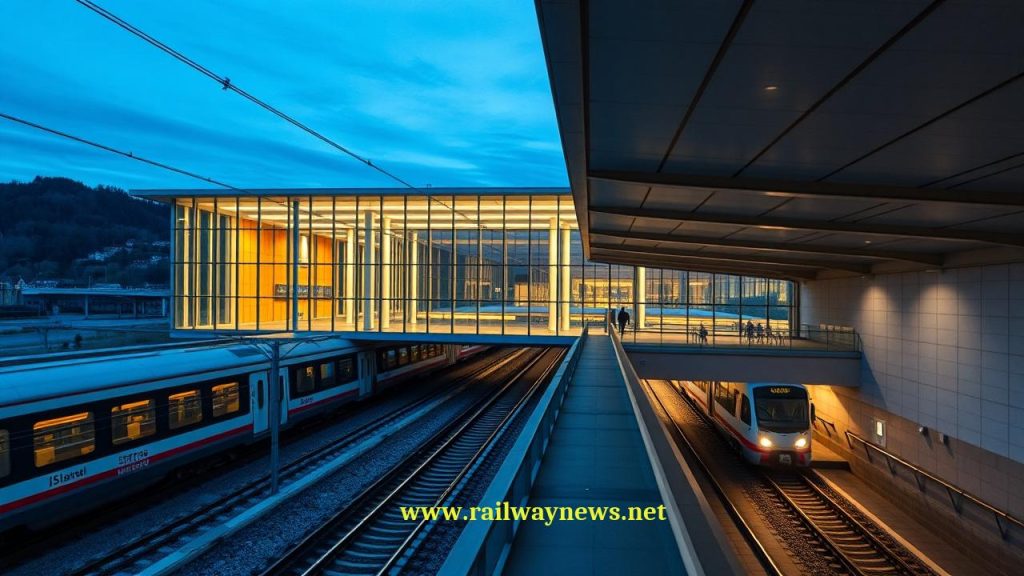
The expansion of Luxembourg City’s central station is a crucial aspect of the modernization project. The addition of four new tracks and two platforms directly addresses the growing demand for rail services. This capacity increase will alleviate bottlenecks and allow for the efficient handling of a larger volume of trains and passengers. The construction of a new footbridge connecting the Bonnevoie district to the Gare further enhances accessibility and improves pedestrian flow. Such infrastructure improvements are essential for creating a modern, efficient, and passenger-friendly rail environment. These improvements are critical for optimizing the flow of passengers through the station and ensuring that the station can handle the increased passenger numbers expected in the coming years. The integration of the new infrastructure with existing systems needs careful planning to minimize disruption and maximize efficiency.
Increased Parking Capacity and Cross-Border Connectivity
The planned addition of 3,800 parking spaces at various train stations by the end of 2025 is a strategic move to encourage greater use of public transport. By providing convenient parking options, the Luxembourg government aims to attract commuters who currently rely on private vehicles. This initiative aligns with the broader goal of reducing road congestion and promoting sustainable transportation. The collaboration with Belgium on the development of a high-speed rail link, supported by the European Commission, is a testament to the importance of regional integration in the rail sector. The improved cross-border connectivity will benefit commuters and travelers alike, fostering economic growth and strengthening ties between neighboring countries. The successful implementation of this project will require effective collaboration and coordination between different stakeholders, including railway operators, governments, and regulatory bodies.
Conclusions
Luxembourg’s €300 million investment in its rail network represents a detailed and forward-looking strategy to address the growing demand for public transportation. The multifaceted nature of the project, encompassing the procurement of new rolling stock from Alstom, the significant expansion of Luxembourg City’s central station, the increase in parking capacity at various stations to encourage greater use of public transport, and the collaborative effort with Belgium on a cross-border rail link, demonstrates a commitment to modernizing and improving all aspects of the country’s rail system. The 85% increase in passenger traffic over the past two decades underscores the urgency and importance of this investment. The planned infrastructure upgrades will not only enhance passenger capacity and operational efficiency but also contribute to a more sustainable and environmentally friendly transportation system. The collaboration with neighboring countries, such as Belgium, and the support of the European Commission signal the recognition of the importance of integrated regional rail networks. The success of this ambitious undertaking will require effective project management, robust collaboration among stakeholders, and a commitment to continuous improvement. The long-term impact will extend beyond improved rail infrastructure, contributing to reduced congestion, improved air quality, and the overall economic and social well-being of the nation. This investment serves as a model for other nations seeking to expand and enhance their rail networks to meet the growing demands of the 21st-century.

Railway infrastructure, rolling stock and transport technologies specialist focused on global rail industry developments, high-speed rail systems, signaling technologies and freight transportation. Covering railway investments, public transport modernization, rail operations and international mobility projects across Europe, Asia and North America.
RELATED POSTS
July 1, 2026 9:30 am
Boise secured a $503,125 grant from USDOT to develop a...
BART secured the non-monetary GFOA Triple Crown Award for fiscal...
July 1, 2026 1:37 pm
NRHS awarded $187K to 34 U.S. rail heritage projects in...
July 1, 2026 4:22 pm
Správa železnic opened a €60M multimodal hub at Jihlava město...