
Renfe’s S106: High-Speed Rail Revolution in Spain
Introduction
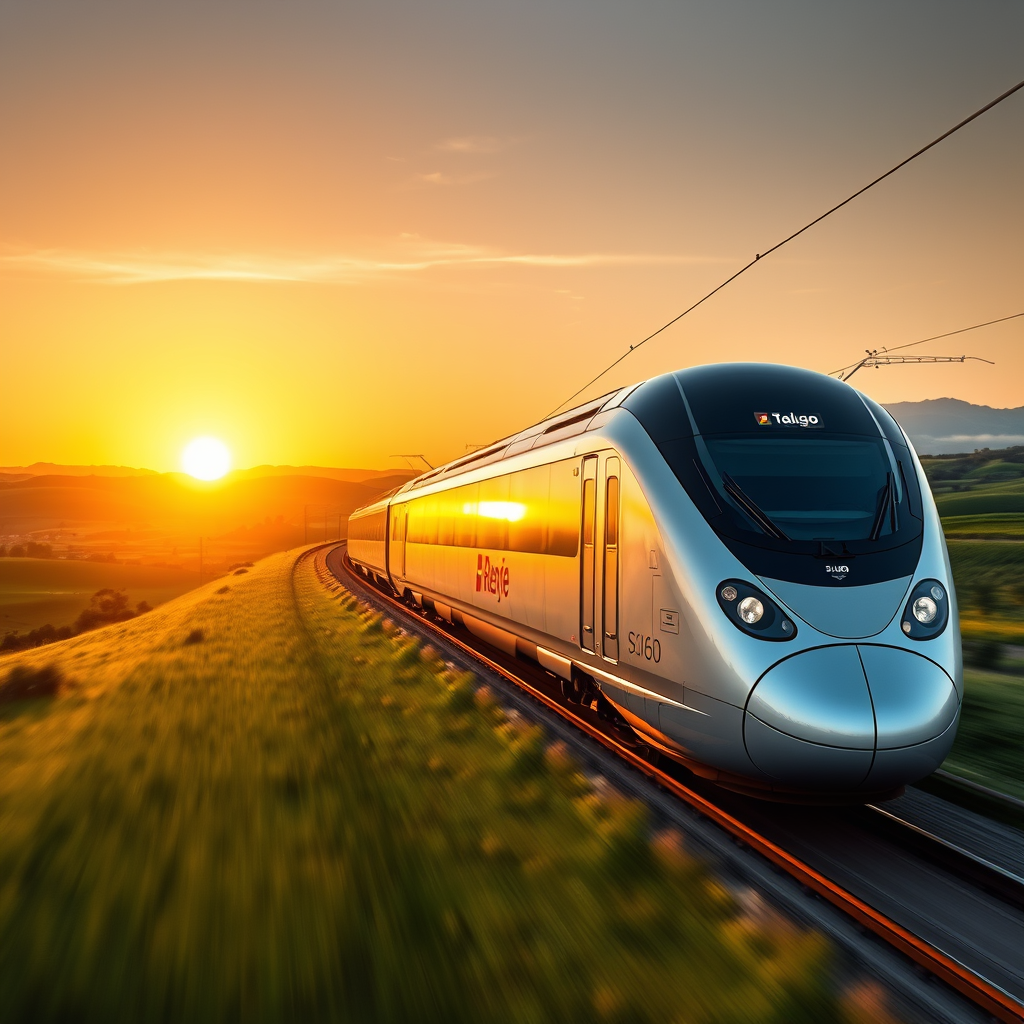
This article delves into the significant impact of Renfe’s (Red Nacional de los Ferrocarriles Españoles – Spanish National Railways) recent acquisition and deployment of ten new S106 high-speed trains manufactured by Talgo. Scheduled for launch on May 21st, these trains represent a substantial upgrade to Spain’s high-speed rail network, particularly in the northern regions. The introduction of the S106s marks a pivotal moment for Renfe, signaling a commitment to modernizing its fleet and expanding high-speed rail accessibility across the country. This modernization not only enhances passenger experience through faster journey times and increased capacity but also contributes to a more efficient and sustainable railway system. We will examine the operational improvements, the strategic reallocation of existing rolling stock, and the broader implications of this fleet expansion for Renfe’s national network and the Spanish economy.
Improved High-Speed Rail Services in Northern Spain
The primary focus of the S106 deployment is the enhancement of high-speed rail services in Asturias. This region only recently gained its first high-speed connection in November 2023, and the arrival of the S106 trains signifies the completion of a comprehensive high-speed rollout. The S106s, characterized by their increased speed and passenger capacity compared to existing rolling stock, will significantly reduce travel times between major cities such as Oviedo and Gijón. Moreover, these new trains will extend high-speed connectivity to Galicia for the first time, linking Vigo, Pontevedra, Vilagarcía, Santiago, and A Coruña to the national high-speed network. This expansion dramatically improves regional connectivity and reduces travel time between these important economic hubs in Northern Spain. The impact extends beyond Asturias and Galicia, impacting travel times between Madrid and Castile and Leon, as the S106 route includes major cities like Zamora, Segovia, León, Palencia, and Valladolid.
Strategic Reallocation of Existing Rolling Stock
The introduction of the S106 trains allows Renfe to optimize its existing fleet. The older Alvia trains (S-730, S-130, and S-121 models), previously used on routes now served by the S106s, will be redeployed to enhance capacity on other lines across Spain. This strategic reallocation addresses capacity constraints in other regions, improving overall network efficiency and passenger service across nine autonomous communities. The reallocation will provide an additional 20,000 seats per week, reflecting a notable boost to the network’s passenger carrying capacity. This showcases Renfe’s proactive approach to managing its resources and ensuring optimized service delivery across its vast network.
Technological Advancements and Fleet Modernization
The arrival of the S106 trains is significant because it represents the first major high-speed fleet upgrade for Renfe since 2011. The S106s, manufactured by Talgo, have undergone rigorous testing, accumulating 300,000 km of on-track trials before entering service. This extensive testing ensures operational reliability and safety. The trains also represent a significant step in technological advancement, incorporating improved features designed to enhance passenger comfort and travel efficiency. The deployment of the S106 represents a commitment to ongoing modernization and investment in Spain’s rail infrastructure, signaling a forward-looking approach to sustainable and efficient transportation. With an additional 20 S106 trains expected, this modernization is poised to continue for years to come.
Conclusions
The introduction of the ten new S106 high-speed trains by Renfe marks a pivotal moment for Spain’s railway system. The project demonstrates a commitment to modernizing infrastructure, improving connectivity, and enhancing the passenger experience. The improvements aren’t confined to northern Spain, with the strategic reallocation of older Alvia trains promising increased capacity on other key lines across the country. The S106’s higher speeds and capacity directly translate to reduced travel times and improved access to high-speed rail for regions previously underserved, specifically highlighting the expansion into Galicia. The rigorous testing undertaken and the significant investment in this new rolling stock underline Renfe’s dedication to operational safety and efficiency. Looking ahead, the successful integration of the S106 fleet and the subsequent delivery of an additional 20 trains promise a significant enhancement of Spain’s high-speed rail network, impacting both regional connectivity and the national economy. This modernization underscores a long-term commitment to investing in efficient, sustainable and high-quality rail transportation across Spain. This initiative sets a positive precedent for future railway modernization projects and underscores the importance of continuous investment in rail infrastructure for economic growth and improved accessibility throughout the nation.
RELATED POSTS
May 26, 2025 2:47 pm
Warsaw’s Tram Network Expands: Operational Training and EU Funding Fuel...

March 10, 2022 2:30 pm
This article examines the significant $64 million (£49 million) contract...
January 26, 2021 2:17 pm
This article examines the significant Memorandum of Understanding (MoU) signed...

February 19, 2025 8:48 pm
This article explores the UK government’s ambitious target of achieving...
August 12, 2017 1:40 am
Optimize your railway infrastructure for enhanced safety and performance. ...
