
UK Rail Freight: 75% Growth Target by 2050
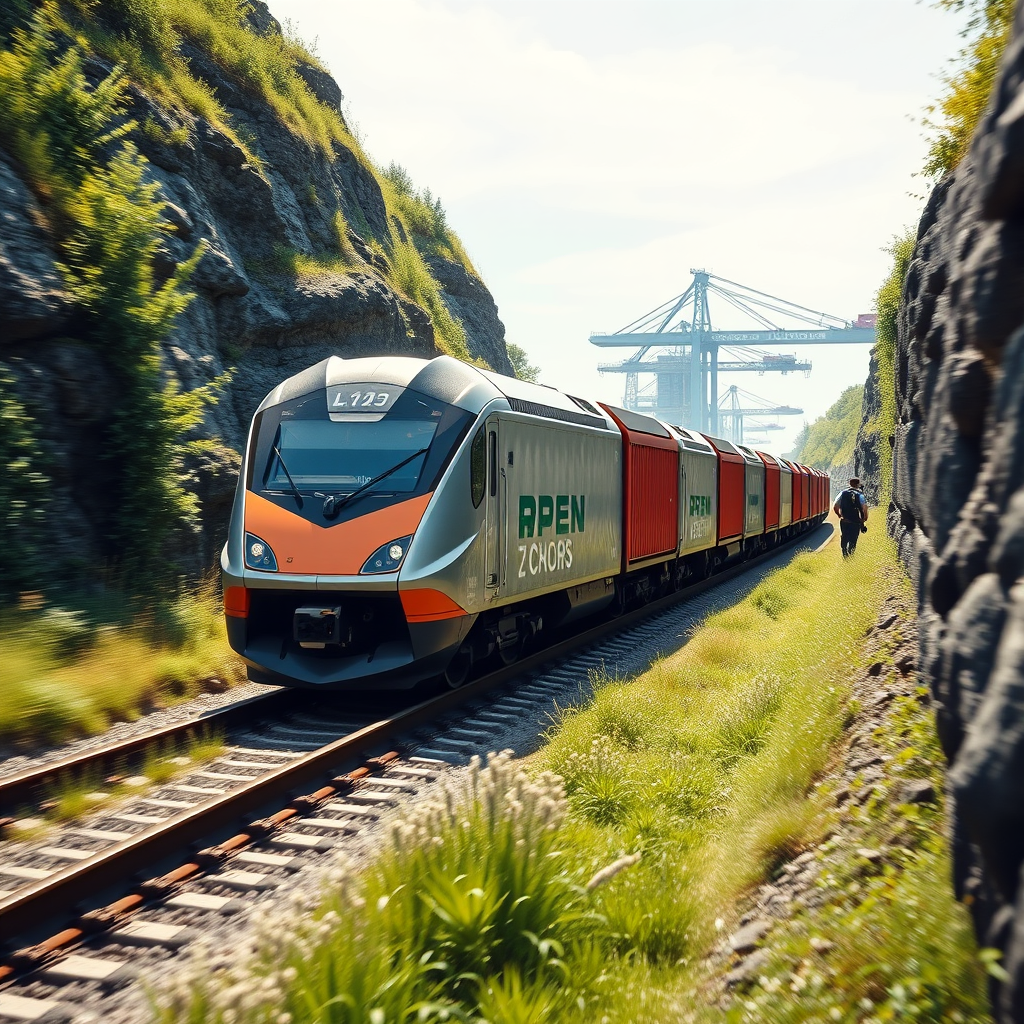
This article explores the UK government’s ambitious target of achieving a 75% growth in rail freight by 2050. This initiative, announced by the Department for Transport (DfT), aims to stimulate a modal shift from road to rail transport, boosting the rail freight sector and contributing to environmental sustainability goals. The target, measured in net freight tonne-kilometres, follows a comprehensive review of industry feedback and seeks to attract substantial private investment into infrastructure upgrades and operational improvements. This significant undertaking necessitates a detailed examination of the underlying challenges, potential opportunities, and strategic implications for the UK’s railway system. The following sections will analyze the rationale behind this target, the key factors influencing its success, the potential roadblocks, and the broader implications for the national economy and environment.
The Rationale for Growth: Environmental and Economic Imperatives
The UK government’s 75% growth target for rail freight is rooted in a dual imperative: environmental sustainability and economic efficiency. Rail transport offers a demonstrably greener alternative to road haulage, significantly reducing greenhouse gas emissions and air pollution. Shifting freight from congested roads to rail alleviates traffic, improves air quality, and reduces the carbon footprint of goods movement. Economically, increased rail freight capacity can enhance the competitiveness of UK businesses by offering a more reliable and cost-effective transportation solution, particularly for long-distance hauls. This strategic shift aligns with wider government policies aimed at decarbonizing the transport sector and stimulating economic growth.
Enhancing Rail Freight Capacity and Infrastructure
Achieving the ambitious 75% growth target requires significant investment in upgrading and expanding rail freight infrastructure. This includes enhancing track capacity, improving signaling systems, and modernizing rolling stock (trains and other railway vehicles). Bottlenecks in the current network, particularly around major population centers, must be addressed to facilitate the increased volume of freight trains. Furthermore, the integration of new technologies, such as digital signaling and automated train control systems, can enhance efficiency and capacity utilization. Strategic partnerships between the public and private sectors will be crucial in securing the necessary funding and expertise for these infrastructure upgrades.
Addressing Challenges and Fostering Collaboration
The path to achieving the 75% growth target is not without its challenges. Recent job cuts in the rail freight sector highlight the need for addressing operational costs and ensuring the long-term viability of rail freight operators. Competition from road transport, which often benefits from lower initial investment costs, remains a significant factor. Effective collaboration between government, industry stakeholders, and private investors is paramount. This involves open communication, transparent policymaking, and a shared commitment to overcoming challenges and capitalizing on opportunities. The success of this initiative will depend on establishing a clear and predictable regulatory framework that fosters investment and encourages innovation.
The Role of Private Investment and Public-Private Partnerships
Private investment will be crucial to achieving the ambitious growth target. The government’s commitment to providing certainty through the established target aims to attract private capital into the sector. This investment will be necessary to fund infrastructure upgrades, rolling stock acquisitions, and operational improvements. Public-private partnerships (PPPs) can provide a framework for sharing risks and rewards, facilitating large-scale infrastructure projects. The government’s role is to create a favorable investment climate, including streamlined regulatory processes and transparent procurement procedures. This ensures that private investment is channeled effectively into projects that enhance the overall efficiency and capacity of the rail freight network.
Conclusions
The UK government’s ambitious 75% growth target for rail freight by 2050 represents a significant undertaking with the potential to reshape the nation’s transport landscape. The initiative’s success hinges on several interconnected factors. Firstly, substantial investment in infrastructure upgrades is critical to accommodate the projected increase in freight volume. This includes addressing current network bottlenecks and modernizing signaling systems and rolling stock. Secondly, fostering collaboration between government, industry stakeholders, and private investors is paramount. A clear regulatory framework and transparent policymaking will be essential in attracting the necessary private investment and ensuring the smooth implementation of this ambitious plan. Thirdly, addressing operational challenges within the rail freight sector, such as managing costs and securing a skilled workforce, will be vital for maintaining the sector’s long-term viability. The successful achievement of the 75% growth target would signify not only a significant boost to the rail freight sector but also a notable contribution towards environmental sustainability and economic efficiency. The modal shift from road to rail would decrease traffic congestion, improve air quality, and reduce the country’s carbon footprint. This undertaking would require proactive planning, consistent investment, and collaborative efforts to navigate challenges and harness the potential of rail freight as a sustainable and efficient transportation mode. Ultimately, the success of this initiative hinges on a concerted and sustained commitment from all stakeholders to build a more robust, efficient, and environmentally responsible rail freight system.
RELATED POSTS
Union Pacific earned an 80% top Class I railroad intermodal...

March 6, 2026 12:10 pm
Consortium Announces Digital Services Platform for UK Rail Sector A...

March 5, 2026 7:57 pm
Banedanmark launched battery train operations on Denmark's 67 km Skjern–Holstebro...

March 5, 2026 4:23 am
Renfe suspends Spain rail services on Madrid-Andalusia corridor until February...

March 4, 2026 10:12 am
Amtrak and Siemens deploy 8 Airo trains for the U.S....
March 6, 2026 4:07 pm
Digital Subscription Market Analysis Q1 2026 Analytics firm Antenna confirmed...