
Rail Baltica: Advancing Baltic Rail Renaissance
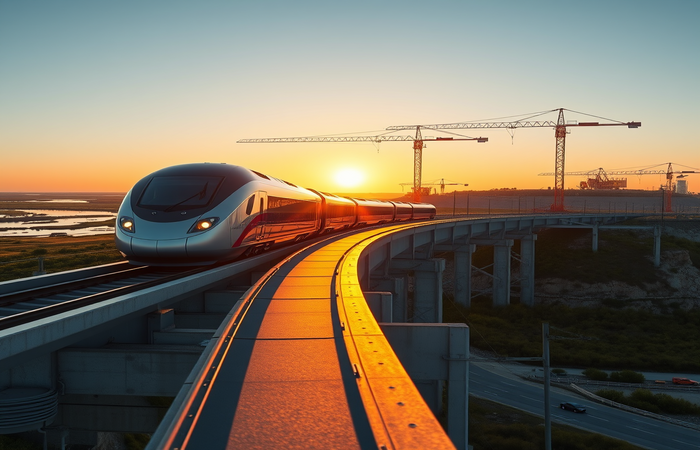
Rail Baltica: Advancing the Baltic Rail Renaissance
Riga, Latvia – October 26, 2023 – The Rail Baltica project, a monumental undertaking to integrate the Baltic states into the European rail network, is rapidly progressing through its construction phase. This ambitious project, designed to provide a high-speed rail connection from Tallinn in Estonia to the Polish border, is transforming the transportation landscape of the region. Across Latvia, Lithuania, and Estonia, construction activities are intensifying, marking a transition from the planning stages to large-scale infrastructure development. This article will delve into the specifics of the ongoing construction, highlighting the significant advancements in each country and the critical role Rail Baltica plays in enhancing regional connectivity and supporting economic growth. We will examine the key infrastructure projects, the challenges faced, and the strategic importance of this project for the future of Baltic transportation. From embankment construction and infrastructure maintenance facilities to the construction of the longest railway bridge in the region and the development of passenger terminals, Rail Baltica is reshaping the physical and economic geography of the Baltic states. The project is not just about building a railway; it’s about forging stronger links with Europe, fostering sustainable transport solutions, and creating new opportunities for commerce and travel.
Embankment Building and Infrastructure Development in Latvia
In Latvia, the Rail Baltica project is seeing considerable progress, with significant developments occurring near Iecava. Construction activities encompass a range of essential infrastructure components, including embankment building, extensive earthworks, and the development of key logistical hubs. The Iecava infrastructure maintenance facility, a 16-hectare site, is becoming a crucial center for operations during the southern mainline construction between Misa and the Lithuanian border. Current operations involve the construction of embankments to provide a stable base for the railway tracks, earthworks such as topsoil removal, excavation to create the necessary grades and layering of the railbed materials to ensure track stability and efficient drainage. Preparations are also underway for the temporary offices of the mainline contractor, signifying the project’s move towards full-scale operational readiness. The delivery and outfitting of modular office units demonstrates the increasing momentum. As the Latvian section emerges as a vital link in the broader European transport corridor, its role in facilitating regional and international connectivity becomes increasingly apparent.
Progress in Lithuania and the Doubling of Railway Construction
Lithuania’s involvement in the Rail Baltica project continues to advance, with construction activities on track to meet the ambitious targets set for 2025. A key highlight is the planned doubling of the railway under construction, a testament to the accelerating pace of work. The construction of the region’s longest railway bridge is another significant milestone, with columns reaching impressive heights, indicating substantial progress in infrastructure development. Work is ongoing on the crucial Kaunas-Latvia section, which directly connects Lithuania with its northern neighbor, and planning for the link to Poland is moving forward. This strategic alignment of construction efforts underscores Lithuania’s commitment to integrating its railway network into the broader European system, facilitating trade, and strengthening regional connectivity. The successful completion of the Lithuanian segments is essential for the overall success of the Rail Baltica project, as it connects to other countries.
Contracts and Terminals in Estonia
Estonia is also making strides in the Rail Baltica project, with the finalization of contracts for the mainline construction with international consortia. These agreements, representing the largest infrastructure projects in the country to date, signify the commitment to realizing the high-speed railway. A notable development is the separate contract for the Ülemiste passenger terminal in Tallinn, designed by Zaha Hadid Architects. This terminal is set to become the northern terminus of the Rail Baltica line. The selection of an architect of such renown underscores the project’s aim to deliver not only functional but also aesthetically significant infrastructure. The construction of the Ülemiste terminal will provide a modern and efficient gateway for passengers, connecting the rail line with the city’s transport network and symbolizing Estonia’s integration with the rest of Europe through Rail Baltica.
Conclusion
The Rail Baltica project is rapidly transforming from a visionary plan into a tangible reality. The progress across the Baltic states, as evidenced by the intensified construction activities in Latvia, Lithuania, and Estonia, marks a significant stride towards a more interconnected and economically vibrant region. The construction of key infrastructure elements, such as embankments, maintenance facilities, railway bridges, and passenger terminals, showcases the comprehensive scope of the project. The project’s commitment to meet deadlines, as demonstrated by Lithuania’s progress toward its 2025 targets, highlights the determination and focus of the involved parties. The signing of large-scale construction contracts in Estonia further solidifies the commitment to realizing this crucial piece of infrastructure. The Rail Baltica project is creating improved railway connections, stimulating economic growth, and promoting more sustainable transport solutions. With the completion of the Rail Baltica project, the Baltic states will be better connected to each other and to the rest of Europe, creating numerous opportunities for trade, tourism, and the movement of people. The project exemplifies the power of infrastructure development to enhance regional integration, promote sustainable transport, and foster a more prosperous future for the Baltic states. As the railway takes shape, the benefits of this ambitious project will become increasingly apparent, providing a critical link in the European rail network and ushering in a new era of connectivity and economic vitality.
Company Summary
- JV ERB Rail: The joint venture ERB Rail is a contractor involved in the Latvian section of the Rail Baltica project.
- Zaha Hadid Architects: This architecture firm designed the Ülemiste passenger terminal in Tallinn, Estonia, which is part of the Rail Baltica project.
RELATED POSTS

April 26, 2022 7:12 pm
Modernizing Melbourne’s Tram Network: Alstom’s €700 Million Contract This article...

July 7, 2025 3:33 pm
EU funds boost Rail Baltica, €295.5M for Baltic rail project....

October 13, 2015 7:42 am
Bombardier Transportation has secured two new mass transit projects, expanding...

February 23, 2021 10:16 am
This article examines the significant upgrade to Egypt’s Beni Suef-Asyut...

May 12, 2025 8:50 am
This article analyzes a significant order of 70 Mireo Electric...