
Modern Railway Signaling: Key Advancements
Railway signaling: from semaphores to AI. Discover how cutting-edge technology enhances safety, capacity, and efficiency on modern rail networks.

The Evolution of Modern Railway Signaling Systems
The reliable and efficient operation of modern railway systems hinges critically on sophisticated signaling technology. This article delves into the evolution of these systems, exploring the transition from rudimentary mechanical signaling to the advanced computer-based systems prevalent today. We will examine the technological advancements, the challenges faced in implementing these complex systems, and the future directions of railway signaling, emphasizing safety, capacity, and cost-effectiveness. The increasing complexity of railway networks, coupled with the demand for higher speeds and increased passenger volume, necessitates constant innovation and improvement in signaling technologies. This exploration will highlight the interplay between technological progress, safety regulations, and the overall operational efficiency of modern railway networks. The discussion will also touch upon the significant role of major contractors, like Balfour Beatty, in the design, installation, and maintenance of these crucial infrastructure components. Understanding these advancements is crucial for anyone seeking to comprehend the intricacies of modern railway operations and the ongoing efforts to enhance safety and efficiency.
From Mechanical to Electronic: A Technological Leap
Early railway signaling systems relied on mechanical devices such as semaphores and track circuits. These systems, while functional, had inherent limitations in terms of capacity and the distance over which they could effectively control train movements. The introduction of electronic signaling marked a significant turning point. These systems used relays and electrical circuits to control signals and points (switches), offering improved reliability and the ability to control larger sections of track. The development of solid-state electronics further enhanced reliability and reduced maintenance requirements. The transition from purely electromechanical systems to the sophisticated microprocessor-based systems of today represents a monumental shift in capability and efficiency.
The Rise of Computer-Based Signaling: Enhanced Capacity and Safety
The advent of powerful and affordable computing technology revolutionized railway signaling. Computer-based systems, often referred to as Automatic Train Protection (ATP) systems, introduced advanced features such as train detection using axle counters or track circuits, automatic train supervision, and sophisticated signal interlocking logic to prevent conflicts between trains. These systems enhance safety by preventing human error and providing real-time monitoring of train movements. The implementation of centralized traffic control (CTC) systems allows operators to manage and coordinate train movements over extensive sections of track from a single location, optimizing capacity and efficiency. These systems are frequently integrated with other railway management systems, providing a comprehensive overview of the entire network’s performance.
Challenges in Implementing Modern Signaling Systems
The implementation of advanced signaling systems presents significant challenges. The high initial investment cost is a major hurdle for many railway operators. The complexity of these systems requires highly skilled personnel for design, installation, and maintenance. Furthermore, integrating new systems with existing infrastructure can be a complex and time-consuming process. Ensuring interoperability between different signaling systems from various manufacturers is also a key challenge. Strict safety regulations and rigorous testing procedures are essential to guarantee the safe and reliable operation of these critical systems. The need for ongoing maintenance and upgrades adds to the overall lifecycle cost.
The Future of Railway Signaling: Towards Autonomous Operation
The future of railway signaling points towards increasingly autonomous and intelligent systems. The integration of communication-based train control (CBTC) technologies, such as those utilizing Wireless Train Control (WTCS) systems, is allowing for greater precision in train control and improved capacity. This enables the implementation of moving block signaling, further optimizing train spacing and throughput. The use of advanced data analytics can optimize train schedules, predict potential disruptions, and facilitate proactive maintenance. The ultimate goal is the development of fully autonomous railway systems, where trains operate without human intervention, although this presents significant technological and regulatory hurdles. The involvement of major contractors such as Balfour Beatty contract is vital in navigating these complex challenges, leveraging their expertise to ensure the successful deployment of cutting-edge railway signaling technologies. The continued evolution of these systems will be crucial in addressing the growing demands on railway networks worldwide.
You might be interested in:
Last June 2019, we covered how CAF’s new trains upgraded London’s light rail. Click here to read – DLR Modernization: CAF’s New Trains Upgrade London’s Transit
Conclusions
This exploration of modern railway signaling systems has highlighted the remarkable technological advancements that have shaped the industry. From the rudimentary mechanical systems of the past to the sophisticated computer-based systems of today, the journey has been marked by innovation and a relentless pursuit of increased safety, capacity, and efficiency. The transition from electromechanical signaling to electronic and subsequently computer-based systems has significantly improved the reliability and safety of railway operations. The implementation of Automatic Train Protection (ATP) systems, centralized traffic control (CTC), and communication-based train control (CBTC) technologies has revolutionized how railways are managed and operated. However, the deployment of these advanced systems presents challenges. High initial investment costs, the need for specialized expertise, and the complexity of integration with existing infrastructure require careful planning and significant resources. The successful implementation of these systems relies heavily on the expertise of major contractors like Balfour Beatty contract, who play a critical role in designing, installing, and maintaining these complex systems. Looking forward, the future of railway signaling points towards further automation and the integration of artificial intelligence and machine learning to further enhance efficiency, safety, and overall network performance. The continuous development and implementation of these technologies will be paramount in addressing the growing demands placed on railway systems worldwide, ensuring safe and reliable transportation for years to come. The integration of data analytics and predictive maintenance will further optimize the operation and reduce downtime, ensuring a more cost-effective and sustainable railway system for future generations.
RELATED POSTS
August 7, 2025 4:33 am
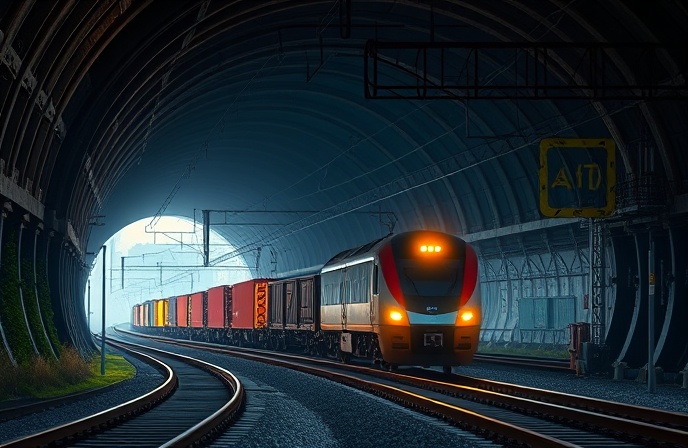
Victoria unveils 2025-2030 freight plan, focusing on sustainable rail. ...
July 14, 2025 8:33 pm
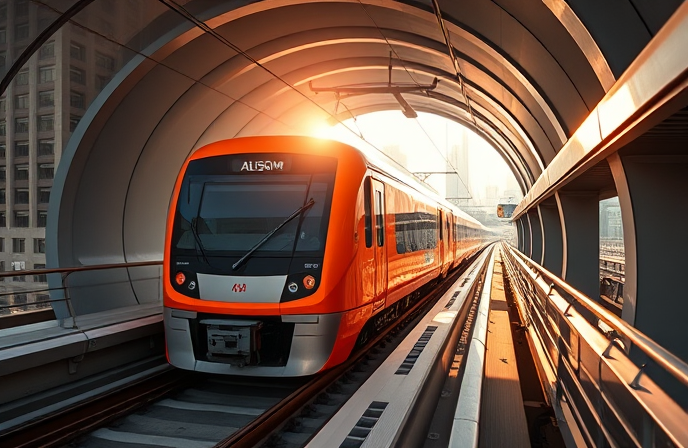
Alstom delivers first São Paulo Line 6-Orange train, boosting urban...

August 29, 2020 4:17 pm
Alstom has successfully supplied, tested and commissioned part of Cairo...

December 11, 2025 4:41 pm
CPKC celebrates the delivery of its 100th Wabtec Tier 4...

November 2, 2010 6:04 pm
The Brussels transport company Société des Transports Intercommunaux de Bruxelles...

August 20, 2015 4:13 am
Japan has a drinking problem. So prevalent is the act...