
Alstom Brazil: Line 6-Orange & Rail Innovation in São Paulo
Alstom delivers first São Paulo Line 6-Orange train, boosting urban mobility. New trains, designed for 633,000 daily commuters, improve connectivity.
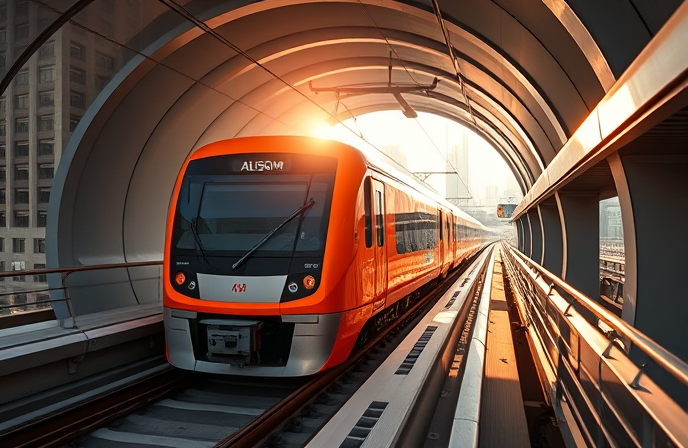
Alstom Delivers First Train for São Paulo’s Line 6-Orange, Advancing Urban Mobility
In a significant step forward for São Paulo’s urban transit network, Alstom has delivered the first of 22 six-car trains for Line 6-Orange, a project poised to transform the city’s connectivity. This milestone, announced on July 14, 2025, sees the inaugural train roll out from Alstom’s Taubaté site in Brazil. The new trains, each boasting a capacity of 2,044 passengers and designed for speeds of up to 90 km/h, are set to revolutionize travel for the approximately 633,000 daily commuters expected to use the line. Line 6-Orange, also known as the “university line,” aims to dramatically improve accessibility for students and other residents. This article will delve into the technical specifications of the new rolling stock, the innovative design process, and the project’s broader implications for public transport in Latin America.
New Rolling Stock Specifications and Design
The new trains, manufactured from stainless steel and finished in an eye-catching orange livery, are designed with passenger comfort and operational efficiency in mind. The use of stainless steel makes the trains lighter than those with traditional carbon steel car bodies, contributing to reduced energy consumption. The trains are engineered to last for over 40 years. Furthermore, the internal layout is meticulously designed to enhance the passenger travel experience. The innovative design process was facilitated by Alstom’s Lab 4.0, a virtual reality facility that allows for detailed examination and modification of the train’s interior and features, including seating configuration, handrail placement, and safety elements, before physical construction began. This virtual reality (VR) technology allows for advanced testing of passenger flow and accessibility, contributing significantly to an improved design phase and passenger-centric experience.
The Role of Innovation: Lab 4.0 and Virtual Reality
Alstom’s utilization of Lab 4.0 and VR technology exemplifies a commitment to cutting-edge design and efficient project management. This approach allows for rapid prototyping and iterative improvements in the train design. By creating a realistic, immersive environment, engineers and designers can pinpoint potential issues early in the development cycle, minimizing the need for costly modifications later. The VR simulations enabled the team to refine various aspects, including the placement of key components and evaluating passenger flow in realistic scenarios, ultimately leading to improvements in accessibility and overall passenger experience. This forward-thinking use of technology showcases Alstom’s dedication to innovation within the rail industry.
Line 6-Orange: Connecting São Paulo’s Communities
Line 6-Orange is more than just a transit route; it is a crucial infrastructure project designed to enhance connectivity throughout São Paulo. The 15 km line will connect the Brasilândia neighborhood to São Joaquim Station, a journey estimated to take only 23 minutes, dramatically reducing travel times compared to the current 1.5-hour bus route. This improvement in connectivity is particularly beneficial for students, who comprise a significant portion of the line’s users. The project encompasses 15 stations, significantly improving mobility for students and other commuters. This project, a public-private partnership (PPP) between the São Paulo state government and Concessionária Linha Universidade, is being executed by ACCIONA and is currently providing over 10,000 jobs, boosting the local economy.
Industry Implications and Future Outlook
The delivery of the first train for Line 6-Orange is a testament to Alstom’s ongoing investment and innovation in the Brazilian rail market, and it sets a new benchmark for urban transit in Latin America. This project demonstrates the viability and benefits of large-scale PPP projects in the rail sector, offering a blueprint for other cities seeking to modernize their infrastructure. The focus on energy efficiency, passenger comfort, and technological innovation positions Alstom as a leader in sustainable urban mobility. The widespread adoption of VR technologies like Lab 4.0 will likely become more common in the rail industry, enabling manufacturers to optimize designs, reduce costs, and improve passenger experiences. The continued expansion of urban rail networks, supported by technological advances, will improve the quality of life for millions of people by providing safe, reliable, and eco-friendly transport solutions.
Company Summary
Alstom, a global leader in rail transport, specializes in designing, manufacturing, and maintaining a wide range of railway solutions, including trains, infrastructure, signaling, and digital mobility solutions. With a strong presence in Brazil for over 70 years, Alstom has established itself as a key player in the country’s rail industry. Their commitment to innovation and sustainability is demonstrated by their use of advanced technologies and their focus on developing eco-friendly solutions, positioning them at the forefront of the urban mobility market. Their Vancouver project, involving TransLink and the Mark V SkyTrain, further shows their commitment.
RELATED POSTS
April 1, 2026 8:45 am
Renfe Alquiler finalized a 15-year lease for ex-DB coaches with...