
Melbourne Intermodal Terminal: Australia Rail Freight Future
Melbourne Intermodal Terminal, a key Australian rail freight hub, boosts efficiency and strengthens supply chains through infrastructure upgrades and optimized operations.
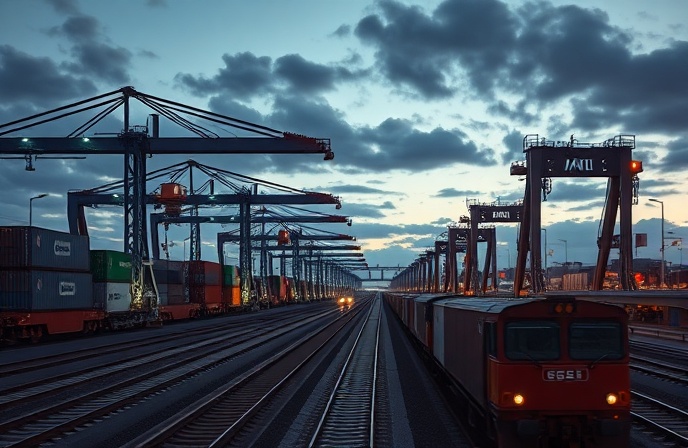
Melbourne Intermodal Terminal: A Critical Hub for Australia’s Freight Future
Melbourne, a bustling metropolis, is at the forefront of Australia’s freight and logistics landscape. But have you ever considered the backbone of this activity? This article delves into the pivotal role of the Melbourne Intermodal Terminal (MIT), examining its vital contribution to the efficiency of freight transportation within Victoria and beyond. It explores the terminal’s operations, infrastructure upgrades, and its crucial impact on supply chains, all while analyzing the challenges and opportunities it presents for the future of rail freight. The Melbourne Intermodal Terminal serves as a critical link, connecting rail with road transport and ultimately facilitating the movement of goods across the country. The focus of this article is to illuminate the importance of the MIT within the wider context of Australian rail freight.
Enhancing Efficiency: The Operational Heart of the Melbourne Intermodal Terminal
The operational efficiency of the Melbourne Intermodal Terminal is paramount. Located strategically, the terminal functions as a crucial transfer point for freight containers. This involves the streamlined handling of containers being loaded and unloaded from trains, then moved onto trucks for onward distribution, and vice-versa. Key to its function are high-capacity gantry cranes, specialized reach stackers, and well-defined rail sidings. The speed and accuracy of operations are improved through advanced terminal operating systems (TOS). These systems manage inventory, track container movements in real-time, and optimize workflows. The goal is to minimise dwell times – the time containers spend in the terminal – and enhance the overall capacity. Reducing dwell times directly contributes to the profitability of rail operators and logistics providers, making the Melbourne Intermodal Terminal a vital link in the transport chain. Regular audits and upgrades to the IT infrastructure also contribute to efficient operations.
Infrastructure Investments: Expanding Capacity and Optimizing Performance
Ongoing investments in infrastructure are vital for the ongoing effectiveness of the Melbourne Intermodal Terminal. As freight volumes increase, there is a constant need to expand terminal capacity and improve operational performance. This includes initiatives such as expanding the length of rail sidings to accommodate longer trains, and the acquisition of new cranes and reach stackers. Upgrades also focus on improving road access to reduce traffic congestion around the terminal. These infrastructure improvements are generally driven by both public and private sector partnerships. The aim is to increase the volume of freight that can be efficiently and safely handled by rail. This further strengthens the competitiveness of rail freight versus road transport, particularly for long-haul journeys. Such developments contribute towards a better use of rail infrastructure and bolster the overall efficiency of freight networks that utilise the Melbourne Intermodal Terminal.
Impact on Supply Chains: Streamlining Freight Movements and Reducing Costs
The impact of the Melbourne Intermodal Terminal extends far beyond its physical footprint. It significantly streamlines supply chains by providing a reliable and efficient means of transferring freight between rail and road. This integration reduces reliance on road transport for long-distance journeys, alleviating traffic congestion and promoting sustainability. By utilising the MIT, companies can reduce their transport costs through economies of scale inherent in rail freight. This can lead to lower costs to consumers. Furthermore, rail transport generally yields a lower carbon footprint compared to road transport, supporting environmentally responsible logistics practices. The MIT therefore acts as a crucial component in fostering a more sustainable and cost-effective approach to freight transportation. Ultimately, its efficiencies are directly reflected in lower prices and faster delivery times for consumers throughout Australia.
Conclusion
The Melbourne Intermodal Terminal is more than just a transfer point; it’s a strategic asset that is critical for the success of Australia’s freight network. Its operational efficiency, ongoing infrastructure investments, and positive impact on supply chains highlight its significance. As Australia continues to grapple with growing freight demands, the role of the MIT will become even more critical. Future developments might include even greater automation, further integration with digital platforms, and stronger partnerships between rail operators, logistics providers, and government agencies. This will enable the Melbourne Intermodal Terminal to adapt to evolving supply chain needs and support a more sustainable freight future. The strategic importance of the MIT lies in its continued modernisation and contribution to the resilience and efficiency of Australia’s freight landscape, ensuring its long-term viability and success. Future investment will determine the impact on industry stakeholders, and continue the success of the Melbourne Intermodal Terminal.
RELATED POSTS

July 8, 2025 9:33 pm
STB affirms Canadian Pacific's grain haulage rights, boosting Gulf Coast...

September 13, 2025 11:00 am
NJ Transit orders 200 Alstom rail cars and 12 locomotives,...

July 23, 2025 4:33 pm
EU and France invest €145M to upgrade Mozambique's railway, boosting...

February 2, 2010 2:39 pm
State-owned Spanish railway operator Administrador De Infraestructuras Ferroviarias (Adif) will...

November 17, 2016 5:29 pm
Hitachi’s Intercity trains, bound for passenger service on the Great...

July 8, 2025 4:33 pm
Angers' Irigo multimodal network contract renewed with RATP Dev. ...