
Maersk’s Green Rail Revolution: Zero-Emission Freight

This article explores the significant advancements in sustainable rail freight transportation, focusing on Maersk’s implementation of a carbon-neutral intermodal transport solution in Germany. The initiative, leveraging electricity-powered locomotives and renewable energy sources, demonstrates a practical approach to reducing the environmental impact of global supply chains. We will delve into the specifics of Maersk’s CapO2 free solution, analyzing its technological underpinnings, economic viability, and the broader implications for the industry’s commitment to decarbonization. Further, we will examine the collaborative efforts and partnerships involved in this initiative, highlighting the crucial role of public-private collaborations in achieving sustainable transportation goals. Finally, we will consider the potential scalability and replicability of this model in other regions and its impact on the future of rail freight.
Maersk’s CapO2 Free Intermodal Transport Solution
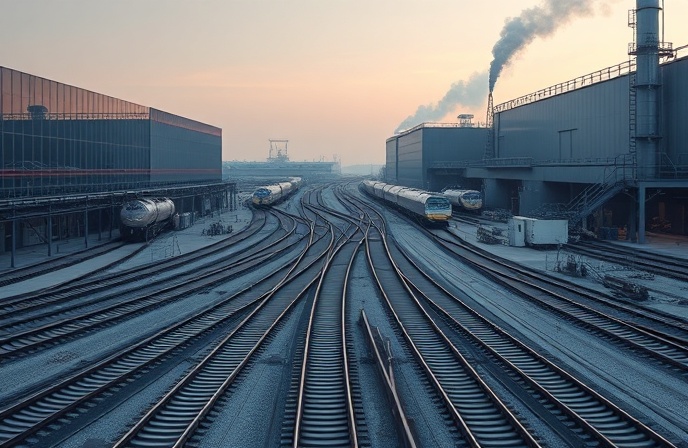
Maersk’s deployment of a CapO2 free (zero carbon dioxide emissions) intermodal transport solution across 85% of its German inland rail network marks a substantial step towards greener logistics. This achievement relies on fully electric container locomotives, powered by 100% renewable hydropower certified by TÜV Nord as “Certified Green Electricity”. This eliminates direct CO2 emissions from train operation, resulting in an estimated annual reduction of approximately 9,100 tonnes of CO2 compared to conventional diesel-powered trains. The significant reduction in greenhouse gas emissions compared to road transport, estimated at around 40,000 tonnes of CO2 per year, further underlines the environmental benefits of this approach. The operational success relies heavily on efficient logistics management and the availability of robust electricity infrastructure along the rail network.
Economic Viability and Collaboration
Crucially, Maersk presents this solution as cost-neutral, demonstrating that sustainability and economic efficiency are not mutually exclusive. This cost-neutrality is achieved through a combination of factors, including potentially lower electricity costs compared to diesel fuel, government incentives for green initiatives, and possibly economies of scale resulting from the volume of freight transported. The initiative is a collaborative effort involving Maersk, boxXpress.de (operated by ERS Railways, Eurogate Intermodal, and TX Logistik), and the providers of renewable hydropower. This highlights the importance of public-private partnerships and shared responsibility in driving sustainable transport solutions. The success of this model also hinges on the reliable and efficient management of the entire supply chain, including terminal operations and the integration with other modes of transport.
Technological and Infrastructural Considerations
The success of Maersk’s initiative depends on several key technological and infrastructural factors. The widespread availability of renewable energy is paramount. The reliable supply of “Certified Green Electricity” ensures the environmental integrity of the system. Furthermore, the rail network itself must be adequately equipped to support the electric locomotives, including sufficient charging infrastructure and compatible signaling systems. The electrification of existing lines and the expansion of the rail network itself are critical for scalability and widespread adoption. Technological advancements in battery technology and energy storage could further enhance the efficiency and range of these electric locomotives, potentially enabling operations on lines not yet fully electrified. Maintenance and servicing of the electric locomotives and the related infrastructure also require careful planning and management to ensure continuous and reliable operations.
Scalability and Future Implications
Maersk’s ambition to achieve 100% electrification of its German inland rail network by Q1 2022 demonstrates a strong commitment to sustainability. The success of this initiative in Germany could serve as a blueprint for similar projects in other regions, potentially accelerating the decarbonization of the broader freight transportation sector. However, the scalability of this model depends on various factors, including the availability of renewable energy sources, the cost-effectiveness of electrification, and the supportive regulatory frameworks. Further research and development into battery technology and energy storage will be crucial for extending the range and capabilities of electric locomotives, enabling their deployment in regions with limited electrification infrastructure. The establishment of standardized procedures and regulations for certifying the green nature of electricity supplies will also be instrumental in maintaining the credibility and integrity of such initiatives.
Conclusions
Maersk’s CapO2 free intermodal transport solution in Germany represents a significant milestone in the pursuit of sustainable freight transportation. By leveraging fully electric locomotives powered by renewable energy, Maersk has demonstrated the feasibility of cost-neutral, zero-emission rail freight operations. The initiative highlights the potential for collaboration between private companies and stakeholders in the public sector to drive change within the industry. The success of this project hinges on the continued availability of renewable energy, robust rail infrastructure, and efficient supply chain management. The cost-neutrality of the solution suggests that environmental responsibility does not need to come at the expense of economic viability. The scalability and potential replicability of this model across other regions offers significant promise for reducing the carbon footprint of global supply chains. However, widespread adoption will require continued investment in renewable energy infrastructure, technological advancements in electric locomotive technology, and supportive regulatory frameworks to encourage industry-wide adoption of sustainable practices. The future of sustainable rail freight relies on ongoing collaboration, technological innovation, and a collective commitment to reducing greenhouse gas emissions within the transport sector. This case study offers a valuable template and demonstration of effective methods to achieve this goal.
RELATED POSTS

October 29, 2025 7:54 pm
ÖBB begins preparatory work for the Innsbruck Main Station redevelopment....
October 13, 2025 11:54 am
Spain invests EUR 1 billion in **Renfe**'s railway maintenance, 2025-2030....

September 7, 2025 6:36 am
HS2's Colne Valley Western Slopes project restores 127 hectares of...
December 24, 2020 2:02 am
This article explores the significant advancements made by a SNCF...

August 5, 2015 10:58 am
A new test train that will travel from Azerbaijan to...
March 12, 2025 2:24 am
The recent failure of a €60 million ($65 million) tender...