
Groningen’s Hydrogen Train Failure: Scale or Policy?
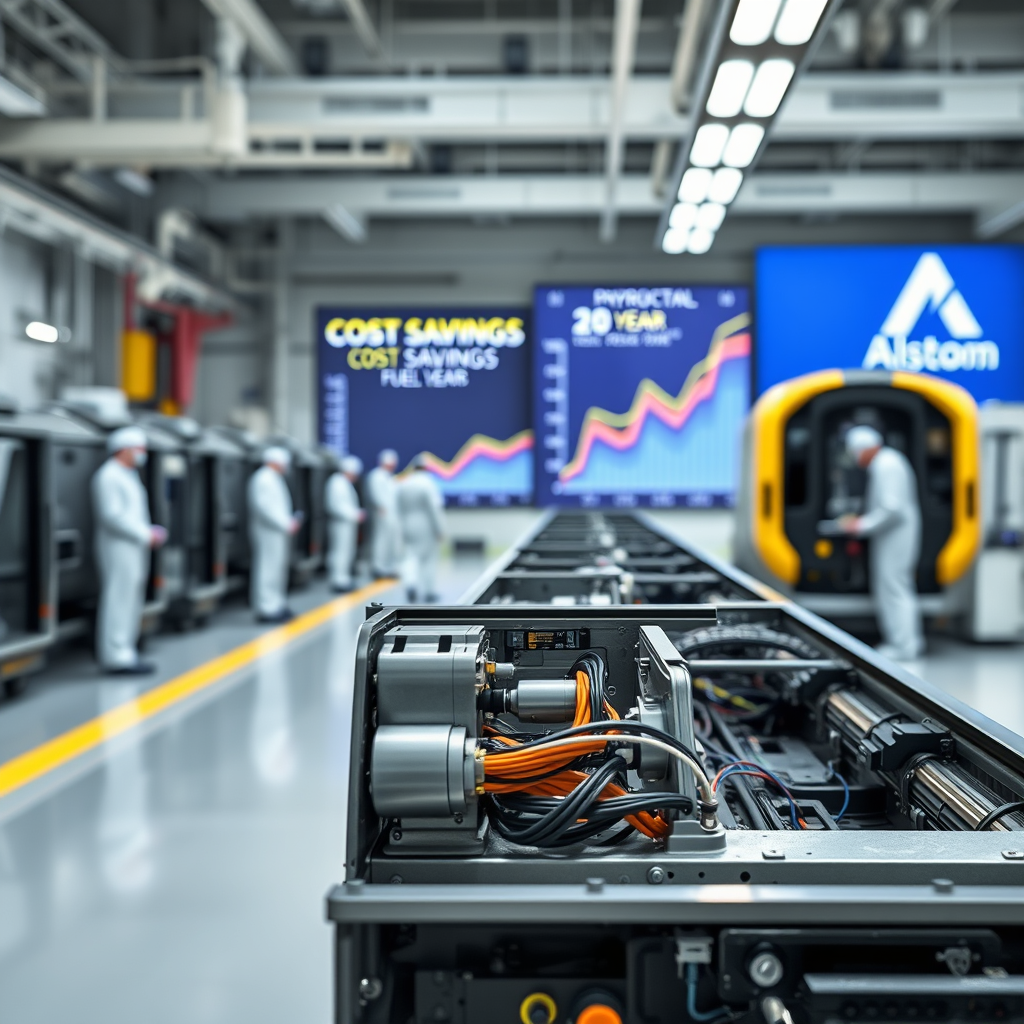
The recent failure of a €60 million ($65 million) tender for four hydrogen-powered trains in the Netherlands highlights significant challenges in the adoption of sustainable rail technologies. This article will explore the reasons behind the lack of bids for this seemingly promising project, focusing on the economic realities of rolling stock procurement, the implications for regional rail decarbonization efforts, and potential alternative approaches to achieving sustainable transport goals. The case study of Groningen province’s ambitious hydrogen train initiative provides a valuable lens through which to examine the broader complexities of transitioning to a greener rail sector, specifically concerning the economic viability and logistical hurdles associated with smaller-scale hydrogen train deployments. The analysis will delve into the interplay between technological readiness, market demand, and public policy in driving the uptake of innovative rail technologies. This exploration will offer valuable insights for policymakers and industry stakeholders involved in developing and implementing sustainable rail transportation strategies globally.
The Groningen Hydrogen Train Tender: A Case of Insufficient Scale?
The unsuccessful tender for four hydrogen-powered trains in Groningen province, Netherlands, underscores a critical issue within the emerging hydrogen rail technology market: the significant economies of scale that influence manufacturing decisions. While pilot projects and successful deployments of hydrogen trains, such as the Alstom Coradia iLint’s operation in Germany (with at least 40 units ordered by Deutsche Bahn), demonstrate technological viability, the relatively small order size in Groningen likely deterred manufacturers. The high initial investment costs associated with developing and producing hydrogen trainsets necessitate larger orders to achieve cost-effectiveness and profitability. A small order of four units simply did not provide the necessary return on investment for manufacturers, leading to a lack of participation in the bidding process.
The Economic Realities of Hydrogen Train Procurement
The high capital expenditure (CAPEX) associated with hydrogen train production is a primary barrier to wider adoption. The development of fuel cell technology, hydrogen storage systems, and specialized train components incurs substantial upfront costs. Furthermore, the establishment of supporting infrastructure, including hydrogen refueling stations, adds further economic complexity. These costs are significantly amplified when considering smaller order sizes, as the fixed costs associated with production are spread across fewer units, resulting in a higher unit price that makes the proposition less attractive to operators and procuring authorities.
Alternative Strategies for Achieving Sustainable Rail in Groningen
Given the failure of the tender, Groningen province is now exploring alternative strategies to meet its ambitious goal of a fully hydrogen-powered regional fleet by 2027. Leasing train units, rather than outright purchase, represents a potentially viable option. Leasing can reduce upfront capital outlay and shift financial risk to the leasing provider. This approach allows the province to achieve its sustainability goals while managing financial constraints. Moreover, exploring collaborative procurement strategies with neighboring regions or countries could potentially increase the order volume and incentivize manufacturers’ participation. Such collaboration could create a larger market for hydrogen trainsets, thereby lowering the unit cost and improving the overall economic viability of the project.
The Broader Implications for Green Rail Transition
The Groningen experience highlights the need for a multifaceted approach to promoting the adoption of sustainable rail technologies. Policymakers need to consider strategies beyond simply mandating the use of green technologies. Incentive programs, such as subsidies or tax breaks, could help offset the high upfront costs of hydrogen train procurement. Furthermore, long-term contracts and guarantees of consistent order volumes can create the necessary market certainty that attracts manufacturers and stimulates innovation. The focus should also shift to developing strategic partnerships between governments, manufacturers, and operators to foster collaboration and facilitate efficient resource allocation.
Conclusions
The failed tender for hydrogen-powered trains in Groningen province serves as a crucial case study illustrating the complexities of transitioning to sustainable rail systems. While technological advancements in hydrogen train technology, exemplified by the success of Alstom’s Coradia iLint, have proven its feasibility, the economic realities of rolling stock procurement remain a major hurdle. The small order size discouraged manufacturers due to the high initial investment costs and limited return on investment. The province’s subsequent shift towards leasing train units signifies a pragmatic approach to navigating financial constraints while maintaining its decarbonization goals. This situation, however, underscores the need for more holistic strategies that address the economic barriers hindering the wider adoption of green rail technologies. This includes the exploration of alternative financing models, collaborative procurement approaches, and targeted policy incentives to create a more favorable environment for innovation and investment in the sustainable rail sector. The experience also highlights the importance of considering the long-term sustainability and lifecycle costs of different train technologies when planning for a greener transportation future. Failure to fully incorporate these factors into procurement decisions could lead to suboptimal outcomes, delaying or even preventing the successful transition to environmentally friendly rail transport. Successful large-scale deployment of hydrogen trains will necessitate a concerted effort from policymakers, manufacturers, and operators to address the economic and logistical challenges inherent in this evolving sector.
RELATED POSTS

July 19, 2019 2:22 am
This article analyzes the strategic shift Indian Railways (IR) is...
November 9, 2021 9:33 am
The Transformation of the UK Rail Network: A Deep Dive...
February 10, 2020 9:55 pm
This article explores the significant £100 million modernization program undertaken...

June 23, 2025 1:33 pm
German Monopolies Commission urges radical rail infrastructure reform, demanding separation...

April 29, 2025 8:07 pm
This article explores the proposed expansion of open-access rail services...
February 5, 2022 10:18 am
Introduction This article delves into the significant contract awarded to...