
London: TfL Confirms 2026 Fare Rises, Capped at 20p
TfL fares will rise from March 2026, capped at 20p, due to a £2.2bn government funding deal. This supports vital upgrades for London’s rail network.
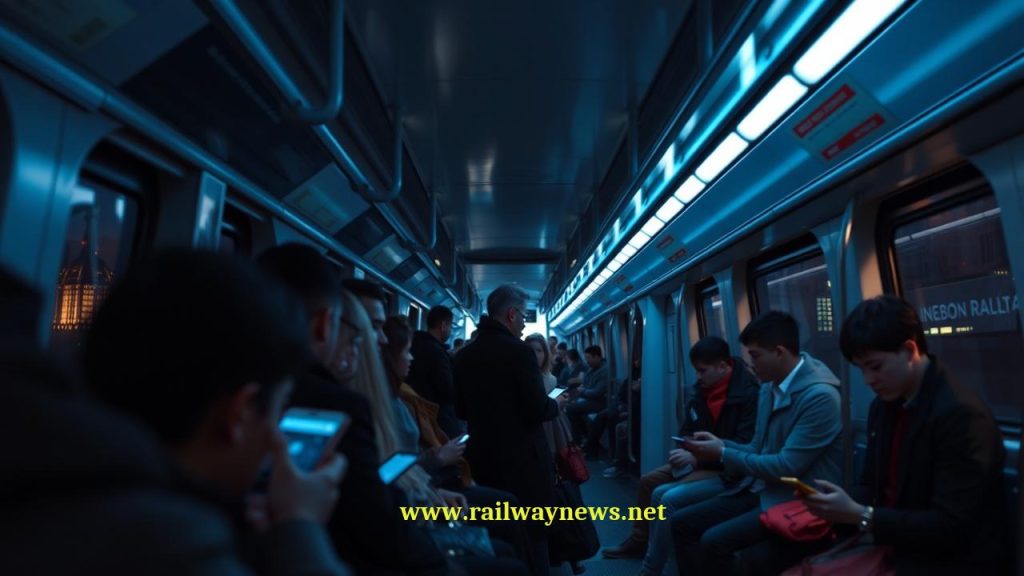
London, UK – Mayor of London Sadiq Khan has outlined plans for Transport for London (TfL) fare increases from March 2026, implementing capped rises on Tube and rail services as a condition of a £2.2 billion government funding deal. The move positions TfL’s fare strategy in contrast to a national freeze on regulated rail fares and comes as its contactless payment system expands, drawing mixed reactions from commuters in London’s periphery.
| Category | Details |
|---|---|
| Announcement Date | 12 December 2025 |
| Effective Date | March 2026 (Tube & TfL Rail) |
| Governing Body | Transport for London (TfL) |
| Funding Settlement | £2.2 billion (UK Government multi-year capital funding) |
| Fare Rise Mandate | Retail Price Index (RPI) + 1% |
| Key Fare Control | Single pay-as-you-go Tube fare increases capped at 20p |
Main Body:
Mayor Sadiq Khan confirmed on Friday that fares on the London Underground and TfL rail services will rise from March 2026, a move mandated by the central government’s £2.2 billion multi-year capital funding settlement. Agreed upon during the July 2025 Spending Review, the deal requires TfL to implement an increase of inflation plus one per cent (RPI+1). However, the Mayor’s office has structured the rise to mitigate the impact on Londoners amid ongoing cost-of-living pressures. The plan caps increases on single pay-as-you-go Tube journeys at a maximum of 20p, with many common fares rising by only 10p. In a significant move to protect the most frequent users, bus and tram fares will be frozen until July 2026, and all Travelcard prices will remain unchanged until March 2027.
The fare adjustments vary across the network, with a clear strategy to shield regular commuters while increasing costs on routes heavily used by tourists and occasional travellers. For example, a peak journey from Upminster (Zone 6) to Cannon Street (Zone 1) will increase by only 10p to £5.90. In contrast, a single journey on the Elizabeth line from Zone 1 to Heathrow Airport will see a more substantial rise from £13.90 to £15.50. TfL justifies this by noting the fare remains significantly lower than the Heathrow Express and primarily affects non-regular travellers. The freeze on weekly and daily caps for Travelcards means that frequent pay-as-you-go users will reach their spending cap sooner, effectively reducing the overall cost of their travel throughout the year.
These changes are set against a dynamic and sometimes contentious UK rail fares landscape. While the UK Government recently announced a freeze on regulated National Rail fares, TfL’s mandated increase highlights the unique funding pressures facing the capital’s transport authority. The announcement also coincides with the expansion of TfL’s contactless payment system to 11 Southern Railway stations in Surrey and Sussex. While operators like Govia Thameslink Railway (GTR) state this government-backed initiative will lower fares for many, some commuters have criticised it as a “back door fare increase,” demonstrating the public sensitivity to any alterations in fare structure and technology on London’s sprawling integrated network.
Key Takeaways
- Targeted Increases: Fare rises from March 2026 are focused on Tube and TfL rail, with single journey increases capped at 20p to protect passengers from sharp hikes.
- Strategic Freezes: Bus and tram fares will be frozen until July 2026, and Travelcard prices until March 2027, benefiting daily commuters and frequent travellers.
- Funding for Modernisation: The fare increase is a condition of a £2.2bn government investment package designed to fund critical upgrades, including new rolling stock and advanced signalling systems to improve reliability and capacity.
Editor’s Analysis
Transport for London’s 2026 fare strategy serves as a critical case study for urban transport authorities globally, demonstrating the difficult balancing act between government-mandated financial discipline and the political imperative of affordability. By implementing a nuanced structure—capping single fares, freezing passes, and targeting tourist-heavy routes like the Heathrow Elizabeth line service for larger increases—TfL is attempting to satisfy its funding agreement while minimising the impact on its core user base. This approach, which contrasts with a broader national fare freeze, underscores the specific capital investment needs of a world-class metro system. International transport operators will be watching closely to see if this model of surgically-applied fare hikes can successfully fund large-scale infrastructure renewal without alienating the public.
Frequently Asked Questions
- When will the new TfL fares take effect?
- The fare increases for the Tube and TfL rail services are planned for March 2026. Fares for buses and trams will remain frozen until July 2026.
- Why are TfL fares increasing?
- The increase is a mandatory condition of the £2.2 billion multi-year capital funding settlement provided by the UK Government. The formula requires an increase of RPI+1% to help fund major network improvements, such as new trains and signalling upgrades.
- Are all TfL fares going up?
- No. The increases apply specifically to pay-as-you-go journeys on the Tube and TfL rail services. Bus and tram fares are frozen, as are the prices for daily and weekly Travelcards, which will benefit frequent travellers.

Railway infrastructure, rolling stock and transport technologies specialist focused on global rail industry developments, high-speed rail systems, signaling technologies and freight transportation. Covering railway investments, public transport modernization, rail operations and international mobility projects across Europe, Asia and North America.
RELATED POSTS

October 8, 2026 1:15 pm
Alstom secured a €1bn contract to build 13 automated trains,...

October 1, 2026 7:09 am
United States regulators confirmed a September 30 deadline for the...

October 8, 2026 12:18 pm
Siemens Mobility signed an agreement with VinSpeed to supply 350...

October 4, 2026 5:14 pm
Alstom secured a CA$4.7 billion order from VIA Rail Canada...

October 5, 2026 6:12 pm
AECOM and Jacobs secured a contract in September 2026 to...

October 1, 2026 12:13 am
Illinois approved $1.5 billion annually for the Northern Illinois Transit...