
CAF’s Latin American Metro Revolution: Medellín, Santiago & Beyond
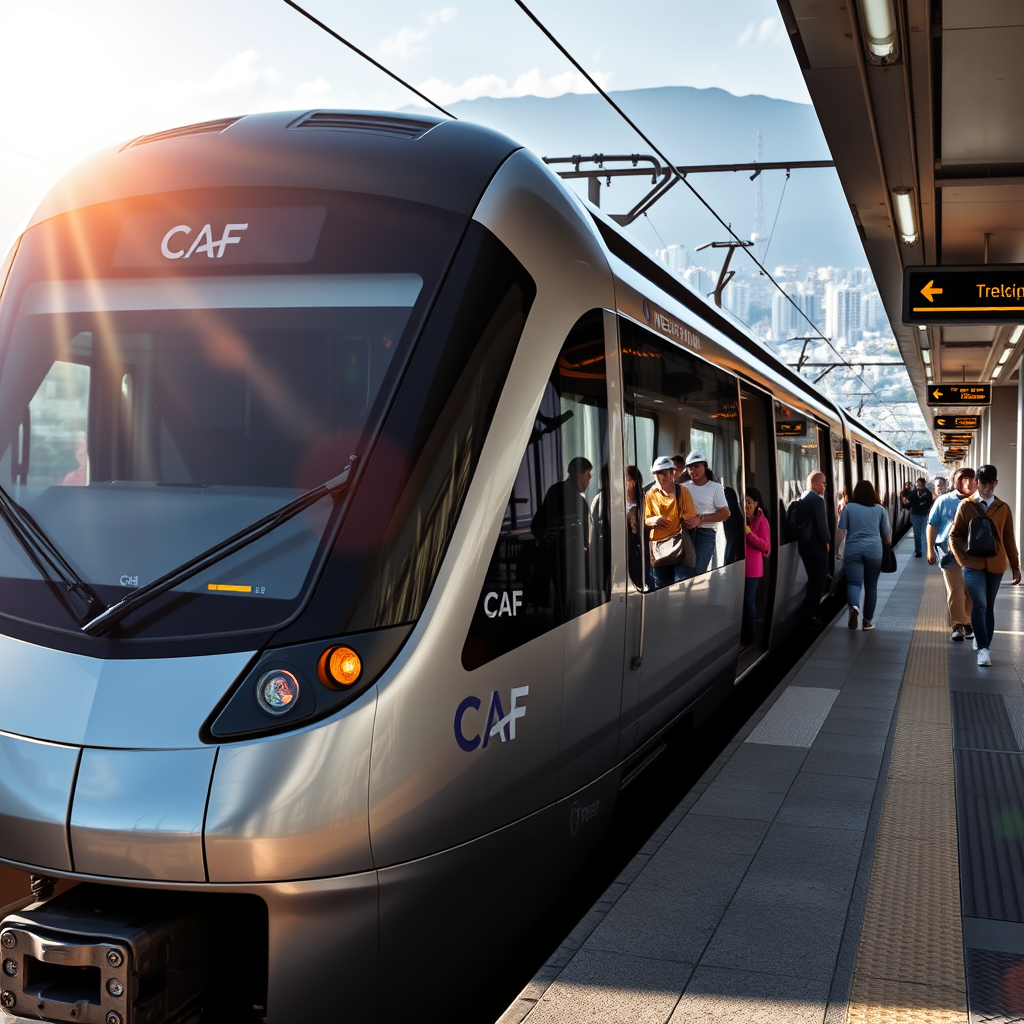
This article examines recent significant contracts awarded to Construcciones y Auxiliar de Ferrocarriles (CAF), a leading rolling stock manufacturer, focusing on their implications for urban rail transit systems in Latin America. The contracts, totaling over €400 million, encompass the supply and, in some cases, maintenance of new metro trains for Medellín, Colombia, and Santiago, Chile. This analysis will delve into the technological advancements showcased in these projects, the strategic importance of these contracts for CAF, and the broader impact on the evolution of Latin American metro systems. We will explore the implications of these large-scale procurements for future urban rail development in the region, considering factors such as increasing passenger demand, technological innovation, and the role of public-private partnerships in infrastructure development. The case studies of Medellín and Santiago will serve as crucial examples highlighting the trends and challenges shaping the future of urban rail transit in Latin America.
Medellín Metro Expansion: Addressing Growing Demand
CAF’s contract with Metro de Medellín involves the design and supply of 13 new metro trains for Lines A and B. This expansion directly addresses the rising passenger demand in Colombia’s second-largest city. The selection of CAF reflects their proven track record in Medellín, having previously delivered 38 trains between 2009 and 2018, and recently completing the refurbishment of 42 older units. The project underscores the importance of robust and reliable rolling stock to support the continued growth of the Medellín Metro, which currently serves over one million passengers daily. The adherence to Colombian tender requirements for assembly and testing at Metro facilities showcases a commitment to local economic development and job creation.
Santiago Metro’s Leap into Full Automation
CAF’s contract with Metro Santiago marks a significant step towards advanced automation in Latin American metro systems. The delivery of six new 5-car metro trains for Line Six extensions incorporates the GoA4 (Grade of Automation 4) system, representing a fully automated driving system controlled from a central command center. This eliminates the need for onboard train drivers, enhancing operational efficiency and potentially reducing operating costs. The project builds upon CAF’s previous successful delivery of 41 trains for Lines Three and Six, demonstrating a continued partnership and trust in CAF’s expertise. This upgrade reflects Santiago’s commitment to modernizing its public transport infrastructure and providing passengers with a technologically advanced and efficient service.
Technological Advancements and Strategic Implications for CAF
Both contracts highlight CAF’s capabilities in delivering cutting-edge metro technology. The Medellín project focuses on proven, reliable technology to meet growing demand, while the Santiago project showcases CAF’s expertise in implementing fully automated systems. These contracts solidify CAF’s position as a leading player in the Latin American rail market and demonstrate their ability to cater to diverse technological needs and operational requirements. The contracts contribute to CAF’s global presence and enhance their reputation for delivering high-quality rolling stock and maintaining long-term partnerships with major transit operators. These successes likely influence future bidding processes and provide a springboard for further expansion into the Latin American and potentially global market.
The Future of Latin American Metro Systems
These projects signify a crucial trend in Latin American urban rail development: the increasing adoption of advanced technologies and the need for significant capacity expansions to accommodate rapidly growing populations and changing travel demands. The emphasis on both upgrading existing systems and implementing new, automated technologies in Santiago underscores the commitment towards providing reliable, efficient, and modern public transportation services. Further investment in similar projects across the region will depend on factors such as securing adequate funding, effective public-private partnerships, and a regulatory framework that encourages innovation and sustainable transport solutions. The success of these CAF projects will serve as a model for other cities seeking to expand and upgrade their metro networks to meet the challenges of a rapidly evolving urban landscape.
Conclusions
In conclusion, the contracts awarded to CAF for the Medellín and Santiago metro systems represent significant milestones in the evolution of urban rail transit in Latin America. The Medellín project showcases the continued importance of reliable, high-capacity rolling stock to address growing passenger demand in major cities. The Santiago project, with its implementation of fully automated GoA4 technology, exemplifies the region’s commitment to adopting innovative solutions for improved efficiency and passenger experience. These projects highlight several key aspects: the increasing need for capacity expansion in rapidly growing urban areas, the role of advanced technology in modernizing metro systems, the importance of public-private partnerships in delivering large-scale infrastructure projects, and the growing global presence of companies like CAF in providing cutting-edge rail solutions. The success of these projects will undoubtedly influence future investments in Latin American rail infrastructure and pave the way for the continued development of sustainable and efficient urban transportation systems throughout the region. Furthermore, the technological advancements displayed in these contracts, particularly the full automation in Santiago, set a precedent for future projects, potentially accelerating the wider adoption of similar technologies across the continent and contributing to a significant improvement in the quality and efficiency of public transportation services in Latin America. The combined impact of both projects underscores the ongoing need for strategic planning and investment in urban rail infrastructure to meet the evolving demands of Latin American cities.