
Amtrak’s Seattle Facility: Rail Infrastructure Modernization
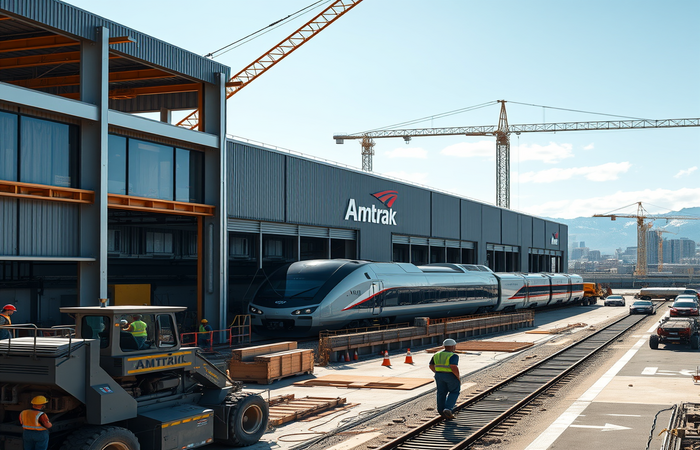
Amtrak’s (National Railroad Passenger Corporation) commitment to modernizing its infrastructure is taking a significant step forward with the construction of a state-of-the-art maintenance facility in Seattle, Washington. This $300 million investment is not merely a localized project; it’s a crucial component of Amtrak’s broader strategy to enhance passenger rail service across the nation. This article will delve into the specifics of the Seattle project, exploring its role in supporting the growing demand for passenger rail in the Pacific Northwest, its technological advancements, and its implications for the future of Amtrak’s maintenance operations. Furthermore, we’ll examine how this investment aligns with Amtrak’s wider infrastructure initiatives, highlighting the commitment to improved efficiency and service quality across multiple locations. The objective is to show how these new projects will transform the customer experience.
Pacific Northwest Expansion: The Seattle Maintenance Facility
The cornerstone of Amtrak’s modernization efforts in the Pacific Northwest is the new 100,000-square-foot maintenance facility at the King Street Yard in Seattle. This facility is designed to be a hub for servicing and maintaining Amtrak’s diverse fleet, ensuring operational reliability and improved service quality. This strategically located facility will play a crucial role in supporting the increasing ridership on the Amtrak Cascades route, a vital corridor connecting major cities in Washington and Oregon. The facility’s design incorporates two maintenance and inspection bays, as well as a dedicated service and cleaning bay, designed to accommodate the latest generation of passenger trains. Construction began in the summer of 2024, with the completion of pile driving and mass excavation slated for the end of 2025. The pre-engineered metal building itself is expected to be erected in early 2026.
Technological Integration and Fleet Support
A key aspect of the Seattle facility’s design is its capacity to accommodate the new Amtrak Airo trains, which are scheduled to debut on the Amtrak Cascades route in 2026. These new trains will significantly enhance the passenger experience with modern amenities and improved performance. The facility’s advanced maintenance capabilities are essential for keeping these cutting-edge trains in optimal condition, ensuring a smooth and reliable service. In addition to the Airo trains, the facility will also provide maintenance for long-distance trains like the Coast Starlight and the Empire Builder, ensuring the continuous operation of these critical cross-country routes. This focus on technological readiness and comprehensive fleet support underlines Amtrak’s dedication to providing a modern and efficient passenger rail service.
Efficiency and Modern Maintenance Practices
The Seattle facility exemplifies Amtrak’s commitment to integrating modern maintenance practices. These advancements are designed to improve efficiency and reduce downtime, ensuring that trains are available for service more consistently. This involves the adoption of cutting-edge diagnostic tools, streamlined maintenance processes, and optimized parts management systems. By implementing these modern techniques, Amtrak aims to reduce maintenance costs, enhance train reliability, and ultimately improve the overall passenger experience. The new facility’s design incorporates these elements to create a more streamlined and effective maintenance workflow.
Broader Implications: National Infrastructure Investment
The Seattle project is part of a larger, nationwide investment strategy aimed at modernizing Amtrak’s infrastructure. Similar maintenance facilities are either under construction or planned in other major cities across the country, including Philadelphia, Boston, Washington, D.C., New York City, and Rensselaer, New York. This coordinated approach demonstrates Amtrak’s commitment to improving service quality and capacity across its entire network. The investments in these facilities are designed to enhance Amtrak’s operational efficiency, increase the reliability of its services, and better serve the needs of a growing ridership. These parallel projects across multiple locations signify a major step forward in Amtrak’s plan to modernize its infrastructure.
Conclusion
In conclusion, Amtrak’s investment in the new maintenance facility in Seattle, Washington, is a significant step toward modernizing its infrastructure and enhancing passenger rail service in the Pacific Northwest. This $300 million project, with its focus on advanced technology, efficient maintenance practices, and comprehensive fleet support, is designed to improve reliability, reduce operational costs, and elevate the passenger experience. The facility’s ability to accommodate the new Amtrak Airo trains and support long-distance routes underscores its strategic importance in Amtrak’s overall network. Furthermore, the Seattle project is a reflection of Amtrak’s larger, nationwide infrastructure investment, with similar facilities planned or under construction in several major cities. This comprehensive approach is a commitment to building a more robust and efficient passenger rail system, better equipped to meet the growing demand for rail travel across the United States. These initiatives are critical to the company’s continued success and its ability to provide safe and reliable service to its customers. These investments will transform the customer experience.
***
**Summary of Companies Mentioned:**
* **Amtrak (National Railroad Passenger Corporation):** The primary passenger railroad service in the United States, responsible for operating intercity passenger trains. Amtrak is a government-owned corporation.
RELATED POSTS

June 25, 2021 1:43 am
Enhancing Passenger Experience Through Digital Wayfinding in Railway Stations This...

May 19, 2025 12:09 pm
Seattle, US – May 12, 2025 Amtrak, the National Railroad...
July 3, 2022 1:48 pm
This article explores the significant Gippsland Line Upgrade project in...
April 7, 2022 10:20 pm
This article explores the significant advancements in sustainable railway technology...
August 4, 2025 3:33 am
Ohai Branch Line to be mothballed by late 2026 due...
October 5, 2021 12:05 am
Hydrogen Storage Solutions for Rail: A Collaborative Approach The railway...