
Alstom’s Coradia Max: Revolutionizing German Rail
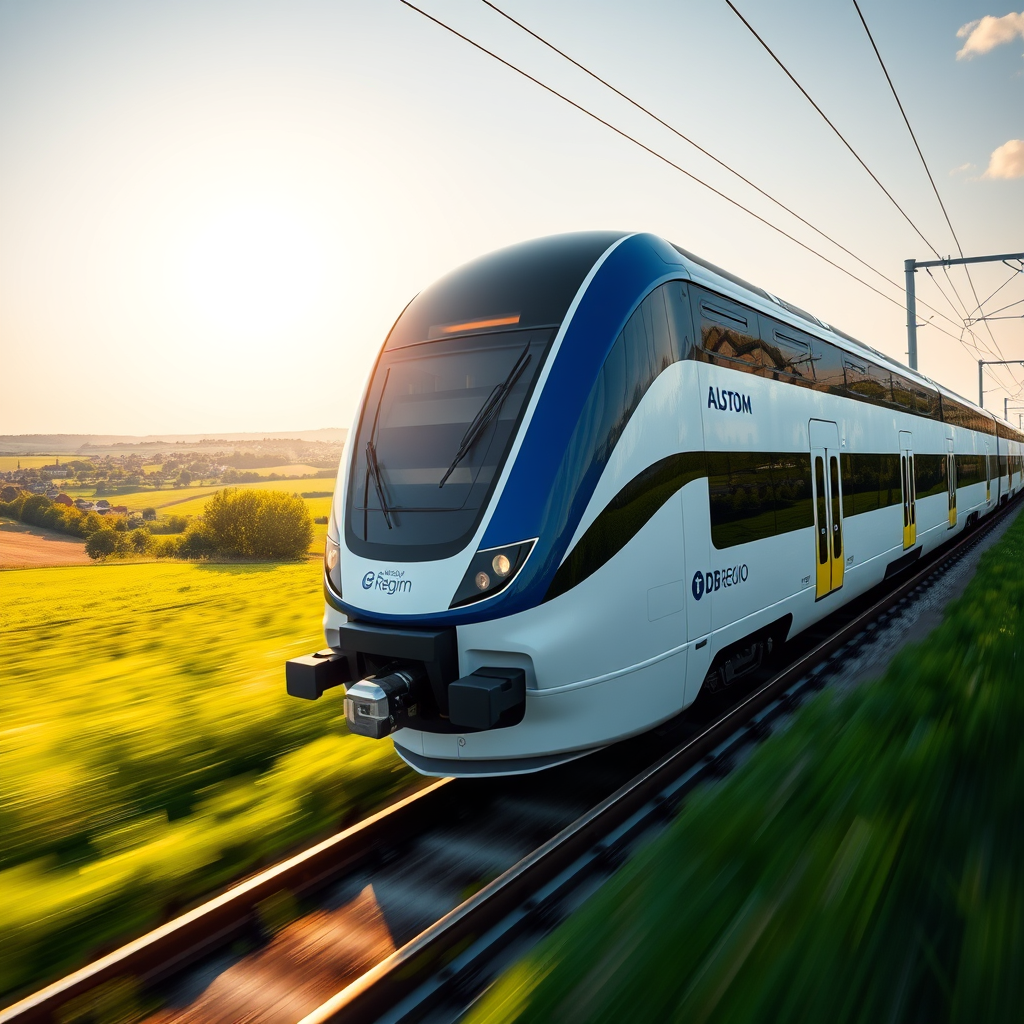
This article delves into the significant contract awarded to Alstom by DB Regio (Deutsche Bahn Regio), a regional subsidiary of Germany’s national railway operator, Deutsche Bahn (DB). The contract centers on the delivery of eighteen Coradia Max electric multiple-unit (EMU) trains for service on the RE1 regional express line connecting Hamburg and Rostock. This procurement represents a substantial investment in modernizing regional rail transit in northern Germany, highlighting the increasing emphasis on sustainable and high-capacity passenger transportation. The analysis will explore the technical specifications of the Coradia Max trains, their impact on passenger capacity and service improvements, the broader implications for regional rail networks, and the strategic significance of this deal within the context of the European railway market. This exploration will examine the technological advancements incorporated in the trains, the environmental benefits of electric traction, and the overall contribution to improving regional connectivity and passenger experience.
The Coradia Max: Technical Specifications and Passenger Capacity
The order comprises nine three-car and nine five-car Coradia Max EMUs. These double-decker trains boast a maximum speed of 160 km/h (approximately 99 mph) and are equipped with the European Train Control System (ETCS), a crucial element for interoperability and enhanced safety across European rail networks. The three-car configuration offers a capacity of 265 seats, while the five-car variant significantly increases capacity to 462 seats, representing a substantial increase in passenger carrying potential, especially crucial during peak hours. The increased seating capacity, particularly between Büchen and Hamburg, addresses a key need for improved passenger comfort and reduced overcrowding on this heavily utilized route. This reflects a deliberate strategy to enhance the overall passenger experience.
Service Improvements and Regional Connectivity
The introduction of the Coradia Max trains on the RE1 line between Hamburg and Rostock promises significant improvements in regional connectivity. The increased seating capacity will alleviate overcrowding, particularly on busy sections of the route. Furthermore, the trains are designed to be barrier-free, enhancing accessibility for passengers with disabilities. The deployment of these modern trains on the Hanse-Express, serving Rostock, Schwerin, and Hamburg, reinforces its importance as a vital transportation link for commuters and tourists alike. This strategic investment showcases a commitment to improving regional transport infrastructure and enhancing the overall quality of service.
Environmental Sustainability and Modern Rail Technology
The Coradia Max trains are electric multiple units, contributing significantly to environmental sustainability in the railway sector. Electric traction eliminates the reliance on diesel engines, reducing greenhouse gas emissions and promoting cleaner transportation. The use of ETCS enhances operational efficiency and improves overall safety, aligning with the broader European goals of promoting sustainable and efficient rail transport. These trains represent a tangible demonstration of how modern technology can be deployed to improve both efficiency and the environmental performance of the rail network.
Strategic Significance and Market Implications
Alstom’s contract with DB Regio underscores the growing demand for modern, high-capacity rolling stock across Europe. The order of 18 Coradia Max trains is part of a larger trend of investment in sustainable and efficient railway infrastructure. With over 500 Coradia Max trains already ordered across Europe, the success of this model signifies a broader shift towards improved passenger experience, enhanced operational efficiency, and reduced environmental impact within the rail industry. This contract highlights Alstom’s strong position in the European railway market and points to further investment in the modernization of regional rail services.
Conclusions
The Alstom contract with DB Regio for 18 Coradia Max trains represents a significant milestone in modernizing regional rail transport in northern Germany. The introduction of these high-capacity, environmentally friendly EMUs will significantly enhance passenger capacity, improve connectivity between major cities, and contribute to a more sustainable transportation system. The trains’ technical specifications, including their speed of 160 km/h and ETCS compatibility, ensure efficient and safe operation. The increased seating capacity, particularly the jump from 265 seats in the three-car version to 462 seats in the five-car variant, directly addresses overcrowding issues, especially during peak travel times. The commitment to barrier-free design further improves accessibility and inclusivity. This procurement is not an isolated incident but rather reflects a broader trend within the European rail market towards sustainable and efficient transport solutions. Alstom’s success in securing this contract underscores its competitive advantage in providing modern, high-capacity rolling stock. The project’s successful completion will demonstrably improve the commuting experience for residents and boost tourism in the region, showcasing the crucial role of efficient and sustainable rail infrastructure in fostering economic growth and enhancing quality of life. The overall impact extends beyond immediate improvements on the RE1 line, serving as a model for future upgrades in other regional networks across Europe. This strategic investment reinforces the importance of continued modernization within the rail sector to meet growing passenger demands while embracing environmental responsibilities.
RELATED POSTS
March 19, 2025 6:43 pm
Deutsche Bahn’s 2023 Financial Performance: A Critical Analysis This article...

January 7, 2023 5:30 am
This article delves into the significant undertaking of the Rail...
February 26, 2020 2:28 am
Introduction This article examines the significant fleet modernization undertaken by...

April 15, 2025 10:07 pm
Introduction This article delves into the crucial issue of accessibility...

October 4, 2015 5:32 pm
Vikash Nigam, the state company in charge of rail management...
September 13, 2025 10:54 pm
DSB awards TK Elevator a DKK 712 million contract for...