
DFW Skylink’s $72M Modernization: Alstom’s Innovia APM Upgrade
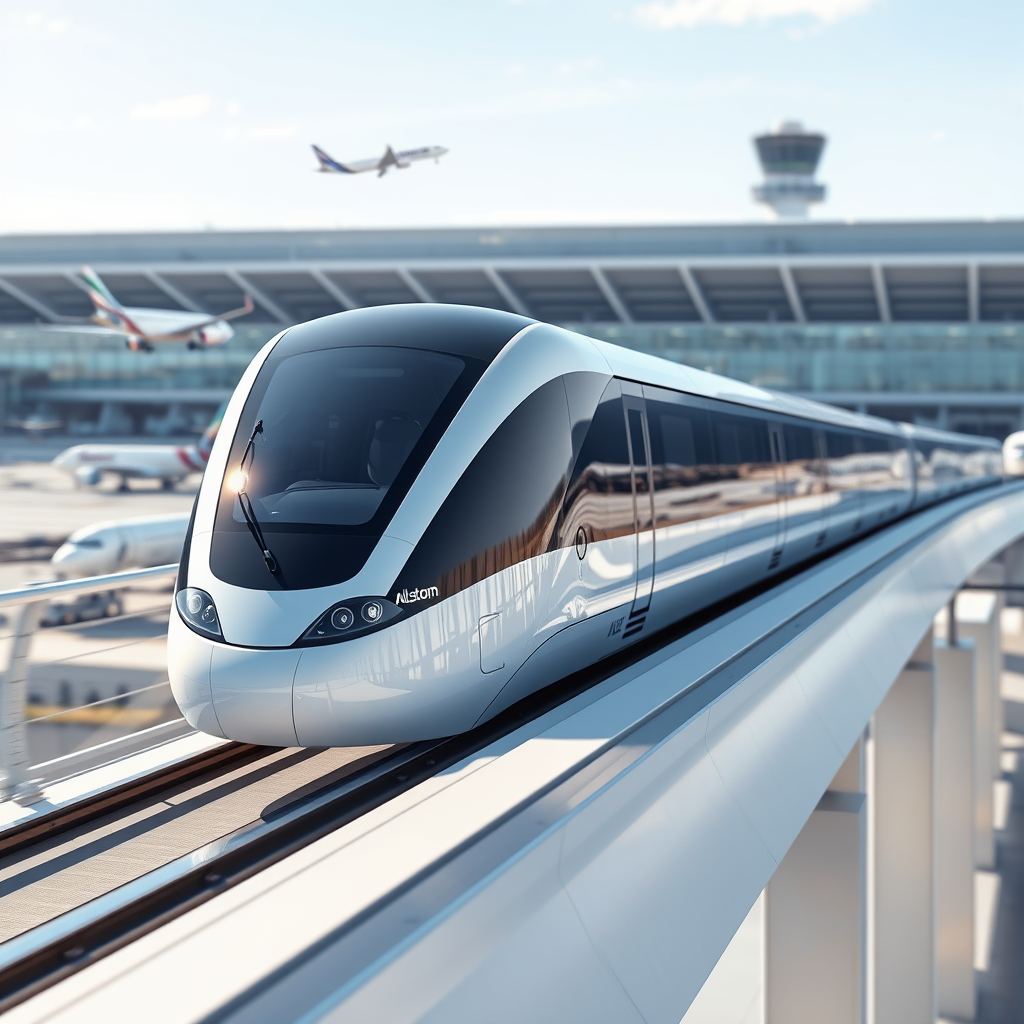
Modernizing Airport Transit: Alstom’s DFW Skylink Replacement
This article examines the significant contract awarded to Alstom by Dallas Fort Worth International Airport (DFW) for the complete modernization and replacement of its Skylink automated people mover (APM) system. The $72.2 million project underscores the critical role of efficient airport transit in managing passenger flow and operational efficiency at one of the world’s busiest airports. The modernization goes beyond simple replacement; it represents a commitment to enhancing passenger experience, improving operational reliability, and leveraging Alstom’s extensive expertise in automated transit systems. We will explore the technical aspects of the project, the significance of the contract for both Alstom and DFW Airport, and the broader implications for the future of airport transportation infrastructure. The discussion will delve into the specifics of Alstom’s Innovia APM technology, the challenges of managing such a complex system within a high-traffic environment, and the long-term benefits of this strategic investment. Finally, we will consider the broader trends within the airport transit sector and how this project reflects the industry’s ongoing pursuit of improved passenger experience and operational efficiency.
Alstom’s Innovia APM Technology and the DFW Skylink
Alstom’s Innovia APM (Automated People Mover) system is a proven technology utilized globally for efficient and reliable passenger transport in airports and urban environments. The DFW Skylink, an existing Innovia APM system, currently connects all five terminals, providing a crucial link for passengers and airport staff. This replacement program signifies DFW’s confidence in Alstom’s technology and its commitment to maintaining a seamless and efficient passenger experience. The Innovia APM cars are designed for flexible deployment, capable of operating on underground, ground-level, or elevated platforms, demonstrating versatility for various airport configurations. The system’s reliability and capacity to handle high passenger volumes are key factors driving the selection of Alstom’s technology for this crucial airport infrastructure component.
Scope and Significance of the $72.2 Million Contract
The contract extends beyond simply replacing aging vehicles. It encompasses a complete overhaul of the 8km guideway, including upgrades to heating systems, power distribution, and the automatic train control (ATC) equipment. This comprehensive approach ensures the longevity and enhanced efficiency of the upgraded system. This demonstrates DFW’s long-term commitment to a reliable and robust transit solution, aligning with its ongoing efforts to improve overall passenger experience and operational efficiency. The ten-year maintenance contract signed in 2022 further underscores the commitment to a collaborative and long-term partnership between Alstom and DFW Airport. The financial investment reflects the critical importance of the Skylink to the airport’s overall operations and the value placed on a seamless and efficient passenger experience.
Enhancing Passenger Experience and Operational Efficiency
The modernization project is designed to improve the overall passenger experience by enhancing the reliability, speed, and comfort of the Skylink. Improvements to the ATC system will contribute to smoother operations and reduced wait times. The upgraded power distribution and heating systems improve the resilience and reliability of the entire system. Alstom’s commitment to providing a “world-class experience” highlights the focus on passenger satisfaction and efficient movement of both passengers and staff within the airport. The project’s focus on improved operational efficiency directly translates into cost savings and enhanced operational performance for the airport.
Alstom’s Expertise and Global Reach in APM Systems
Alstom’s long history in the APM sector, dating back to the installation of the world’s first driverless APM system in 1971 at Tampa International Airport, underlines its technological leadership and experience in delivering complex transportation solutions. With over 30 APM systems deployed worldwide, Alstom brings a wealth of knowledge and expertise to this project. This extensive experience translates to a high level of confidence in their ability to deliver a reliable, efficient, and user-friendly system for DFW Airport. This project further solidifies Alstom’s position as a leading provider of advanced transit solutions for airports and other high-traffic environments globally.
Conclusions
The Alstom contract for the DFW Skylink replacement represents a significant milestone in airport transit modernization. The $72.2 million investment signifies DFW Airport’s commitment to providing a seamless and efficient passenger experience, recognizing the vital role that Skylink plays in its operations. The project’s scope extends beyond simply replacing aging vehicles; it encompasses a comprehensive upgrade of the entire 8km guideway infrastructure, including heating, power distribution, and automatic train control systems. Alstom’s Innovia APM system, with its proven track record and flexible operability, is ideally suited to meet DFW’s needs. The project underscores the importance of reliable and efficient airport transit in managing passenger flow and operational efficiency at one of the world’s busiest airports. The long-term maintenance contract further emphasizes the collaborative partnership between Alstom and DFW, highlighting a shared commitment to long-term success. The modernization will not only improve passenger experience through enhanced reliability and comfort but will also enhance operational efficiency for the airport. The project highlights the ongoing trend towards advanced technological solutions in airport transit, reflecting the industry’s commitment to innovation and passenger satisfaction. This successful collaboration sets a precedent for future airport transit upgrades, emphasizing the importance of strategic partnerships and investments in reliable, efficient, and passenger-centric transportation systems.
RELATED POSTS

April 16, 2025 1:24 am
The Potential of Brazilian Biofuels in the Global Energy Transition...

October 10, 2021 8:51 pm
Introduction The accessibility of public transportation for individuals with disabilities...

August 1, 2018 8:34 am
The £780m East Coast Main Line upgrade: faster journeys,...

August 14, 2025 1:33 pm
Optimized railway signaling systems maintenance ensures safety and efficiency, using...
November 12, 2020 2:22 am
The expansion of railway infrastructure is crucial for economic growth...