
UK’s ECML Upgrade: Rail Infrastructure Advancements
The £780m East Coast Main Line upgrade: faster journeys, increased capacity, and a more reliable network for passengers and freight. Discover how!
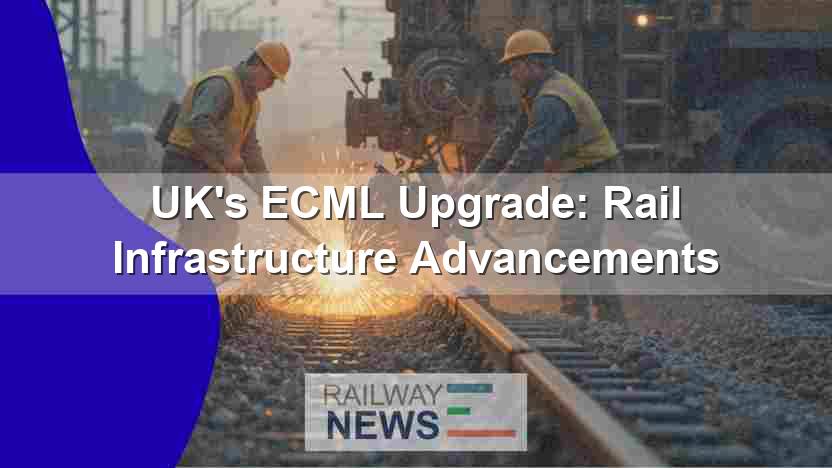
The UK government’s commitment to invest £780 million in upgrading the East Coast Main Line (ECML) represents a significant undertaking in British railway infrastructure development. This substantial investment, scheduled for completion in the early 2020s, aims to address critical capacity constraints, enhance passenger experience, and stimulate economic growth across northern England. This article will explore the rationale behind this investment, the planned improvements, the anticipated benefits, and the wider implications for the UK’s railway network. The ECML, a vital artery connecting London to Edinburgh, carries over 80 million passenger journeys annually, highlighting the scale of the impact this upgrade will have on both passengers and the national economy. The modernization of the line will not only improve the passenger journey but also create efficiencies in the rail network, improving freight transport. This upgrade needs to be considered within the broader context of the UK government’s commitment to improve infrastructure across the Northern Powerhouse.
Infrastructure Enhancements
The £780 million investment will focus on a multifaceted approach to improving the ECML infrastructure. This includes significant upgrades to existing platforms at key stations along the route, increasing capacity and improving passenger flow. Track renewal and improvements will address issues of aging infrastructure, improving reliability and reducing delays caused by maintenance. Signaling systems will undergo a complete modernization, implementing state-of-the-art technology to enhance safety and increase line capacity. This will involve the implementation of modern signaling systems capable of handling higher train frequencies and speeds. Finally, improvements to critical junctions will be crucial in optimizing train movements and reducing congestion, enabling smoother and more efficient traffic flow along the route.
Increased Capacity and Improved Service
The upgrade is not merely about replacing aging infrastructure; it is fundamentally about increasing capacity and improving the quality of the passenger experience. The introduction of new Intercity Express Trains (IETs) will provide more seats and faster journey times. These trains are equipped with modern features, resulting in greater passenger comfort and more frequent services on key routes. Coupled with improvements to signaling and track infrastructure, this will lead to a more reliable and efficient service, with less likelihood of delays and disruptions. The targeted improvements between Doncaster, Leeds and Newcastle will directly address the needs of a significant population center and support economic activity in this region.
Economic Impact and Regional Development
The economic benefits of this investment extend beyond the immediate improvements to passenger travel. Increased connectivity will stimulate economic growth in the Northern Powerhouse region, facilitating easier travel for commuters and boosting business activity. This improved connectivity will support businesses and encourage economic growth in previously underserved areas. Faster and more frequent services will encourage businesses to locate in these areas, and increase tourism. The project’s impact on employment is also significant, creating jobs both during the construction phase and through the long-term operation of a more efficient railway.
Long-Term Vision and Sustainability
The ECML upgrade is not an isolated project but a critical component of the UK government’s broader strategy for modernizing the national rail network. It reflects a long-term commitment to improving infrastructure, increasing capacity, and enhancing the overall passenger experience. The focus on upgrading signaling and track infrastructure is crucial for ensuring the long-term sustainability of the line, reducing the need for frequent and disruptive maintenance in the future. The project aims to create a more resilient and efficient railway system fit for the challenges and opportunities of the 21st century.
Conclusion
The £780 million investment in the East Coast Main Line upgrade represents a significant step forward in modernizing Britain’s railway infrastructure. The planned improvements to platforms, tracks, signaling, and junctions, coupled with the introduction of new IETs, are poised to deliver substantial benefits. These benefits include increased capacity, improved service reliability, faster journey times, and enhanced passenger comfort. The economic impact will be considerable, stimulating growth and development across the Northern Powerhouse region through better connectivity. This project, therefore, is not merely about upgrading a railway line; it’s a strategic investment in Britain’s future, improving the lives of millions of passengers and contributing to the economic prosperity of the nation. The long-term vision for a sustainable and efficient railway system is clearly articulated through this ambitious upgrade, solidifying the ECML’s position as a vital artery of the UK’s transport network for years to come. The success of this project will depend on careful planning, effective project management, and ongoing monitoring to ensure the investment delivers its intended outcomes. The long-term sustainability of the improved infrastructure is key to maximizing the return on investment and ensuring the long-term benefits for passengers and the wider economy.

Railway infrastructure, rolling stock and transport technologies specialist focused on global rail industry developments, high-speed rail systems, signaling technologies and freight transportation. Covering railway investments, public transport modernization, rail operations and international mobility projects across Europe, Asia and North America.
RELATED POSTS

October 1, 2026 7:09 am
United States regulators confirmed a September 30 deadline for the...

October 8, 2026 1:15 pm
Alstom secured a €1bn contract to build 13 automated trains,...

October 4, 2026 5:14 pm
Alstom secured a CA$4.7 billion order from VIA Rail Canada...

October 1, 2026 12:13 am
Illinois approved $1.5 billion annually for the Northern Illinois Transit...

October 6, 2026 2:14 am
Union Pacific launched export rail shipments with Ferromex to deliver...

October 1, 2026 6:10 am
Amtrak approved a System Expansion Committee on July 30 to...