
EU’s Digital Rail Revolution: Voith’s e-coupler Leads the Way
The European Union’s Push for Digital Automatic Couplers: A Revolution in Rail Freight
The European rail freight sector is on the cusp of a significant transformation, driven by the ambitious Digital Automatic Coupler (DAC) project. This initiative, spearheaded by the European Commission, aims to revolutionize freight transport by replacing traditional manual couplers with digitally enabled systems. This transition promises to significantly enhance efficiency, safety, and environmental sustainability across the continent’s extensive rail network. The core of this technological leap is the development of a standardized “e-coupler,” a digital interface that sits atop the mechanical coupling mechanism, facilitating seamless data and power transfer between railcars and locomotives. This article will delve into the selection of Voith’s e-coupler as the European standard, examining its technical features, benefits, and the broader implications for the future of European rail freight.
Voith’s e-coupler: The Chosen Standard
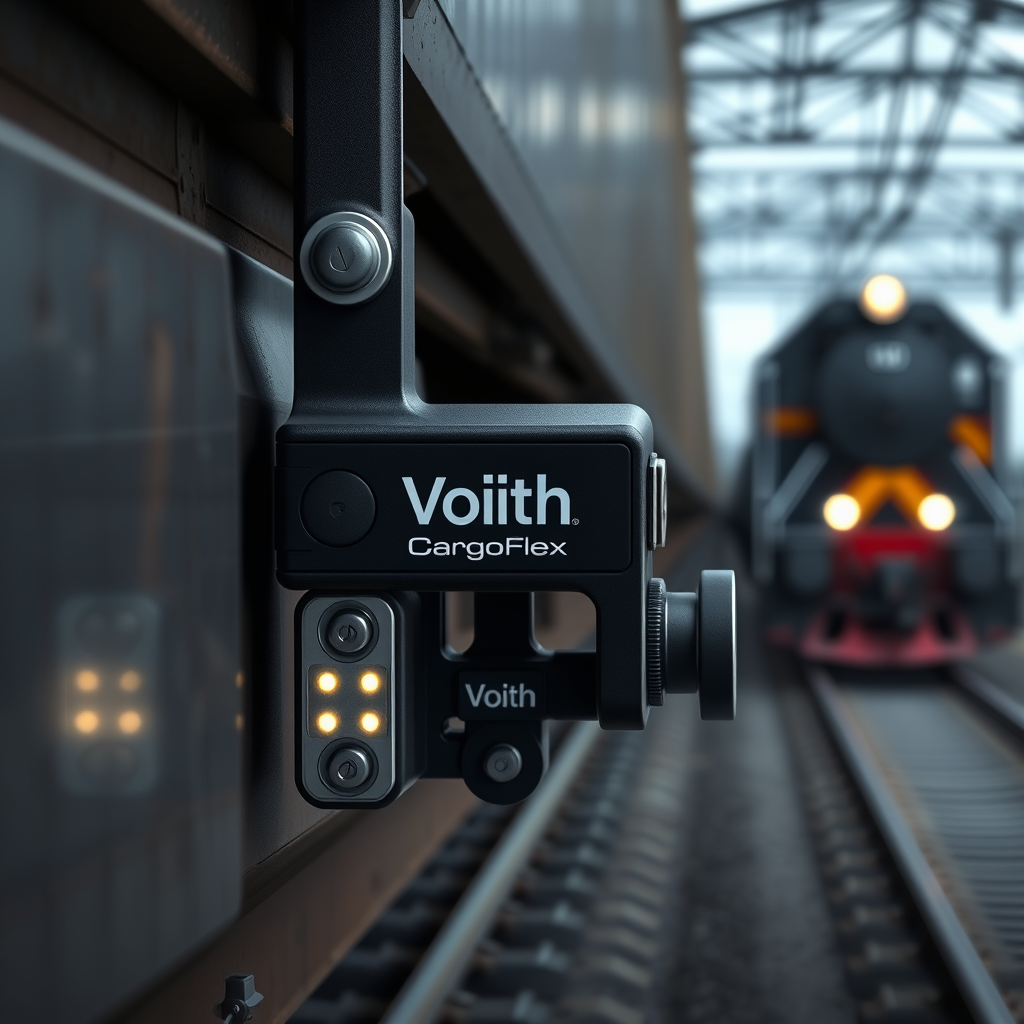
Following a competitive selection process, Voith’s “e-coupler” (also known internally as CargoFlex) has been chosen as the foundation for the pan-European DAC standard. This decision marks a critical milestone in the implementation of the DAC project. Voith’s design triumphed over competing entries, largely due to its innovative design and ease of integration into existing infrastructure. The e-coupler’s compact size and lightweight construction, coupled with its simple retrofitting process (requiring only two screws), are significant advantages, minimizing installation time and cost. Importantly, the e-coupler maintains its data and power connection even when the mechanical coupling is disengaged, ensuring reliable communication and power supply regardless of operational status. This design also facilitates interoperability with existing passenger couplers and hump yard shunting operations, maximizing its adaptability to existing railway infrastructure.
Technical Specifications and Advantages
The Voith e-coupler’s success stems from its robust design and adherence to stringent technical specifications. Its compact form factor meets all requirements concerning height and weight, while its low-wear components minimize maintenance needs. The software-defined system enables seamless automation and digitalization, paving the way for advanced functionalities such as automated coupling and uncoupling, real-time data transmission on train status and cargo information, and improved remote diagnostics. This level of integration is crucial for optimizing operations, reducing delays, and enhancing overall efficiency of rail freight networks.
Environmental and Economic Benefits
The DAC project, and the adoption of Voith’s e-coupler, is intrinsically linked to the European Union’s Green Deal environmental policy. By facilitating a modal shift from road to rail transport, it aims to significantly reduce greenhouse gas emissions from freight transport. The enhanced efficiency provided by the DAC system, through improved throughput and reduced transit times, further contributes to environmental sustainability by minimizing fuel consumption. The economic benefits are equally compelling. The increased capacity and efficiency of rail freight operations translate to lower transportation costs, enhanced competitiveness for European businesses, and improved overall economic performance. The ease of retrofitting also minimizes disruption to existing operations during the transition to the new standard.
Conclusion: A Transformative Technology for European Rail
The selection of Voith’s e-coupler as the foundation for the European DAC standard signifies a crucial step towards modernizing and enhancing the efficiency of the continent’s rail freight network. The e-coupler’s innovative design, ease of implementation, and inherent interoperability represent a significant advancement in railway technology. The benefits extend far beyond mere technological improvement, encompassing substantial environmental and economic advantages. By streamlining operations, reducing emissions, and increasing the overall competitiveness of rail freight, the DAC project, underpinned by Voith’s e-coupler, promises to reshape the European rail landscape. The seamless integration with existing systems, coupled with the ability to facilitate the much-needed modal shift from road transport, positions the EU at the forefront of sustainable and efficient freight transport globally. The project’s ambitious goal of achieving a 30% modal share for rail freight by 2030 is now within closer reach, thanks to this pivotal technological advancement. The long-term impact of the DAC initiative, supported by Voith’s innovative solution, will be felt across various sectors, ensuring a more sustainable, efficient, and economically robust future for European rail freight. Further research and development in areas like onboard diagnostics and predictive maintenance will likely enhance the already promising capabilities of the DAC system, solidifying its position as a key enabler of a truly modern and efficient European rail network.
RELATED POSTS

June 11, 2017 11:58 pm
Modernize your railway infrastructure for enhanced efficiency. From advanced tracks...

The Aubagne Citadis Compact tram arrived in Berlin. The first...

October 25, 2009 10:47 pm
Thales has won a €36m contract in Turkey to supply...
March 19, 2021 4:57 pm
This article explores the integration of Teleste’s on-board technology solutions...

Stadler Rail has received a contract from BLS for spare...

October 4, 2025 2:54 am
Illinois unveils its largest-ever $50.6 billion infrastructure plan, with $2.9...