
London’s Transport: Digital Divide, Fare Inequality
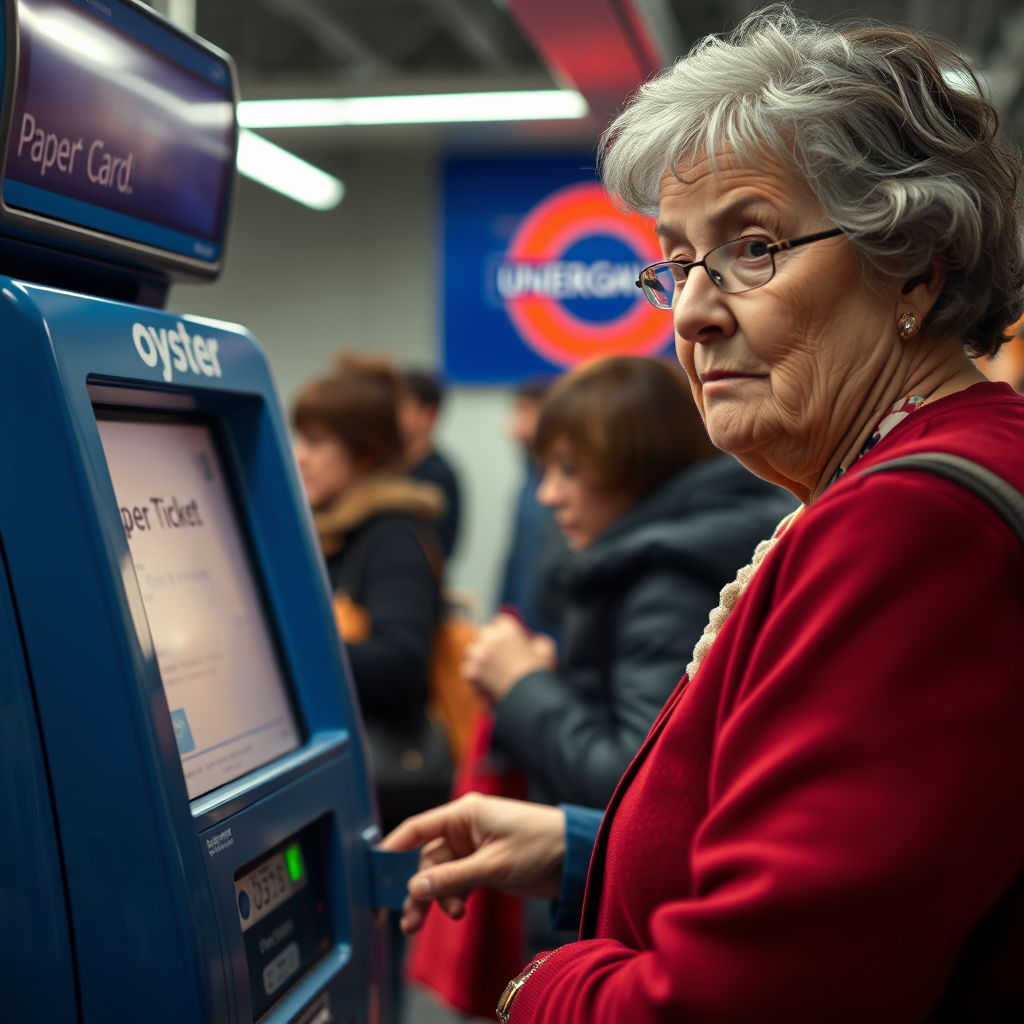
This article examines the persistent disparity in pricing between digital and paper tickets on London’s public transport system, focusing on the challenges this creates for certain passenger demographics. The analysis builds upon the findings of London TravelWatch’s 2023 “Left Out Londoners” report, which highlighted the barriers faced by digitally excluded individuals in accessing and utilizing public transport effectively. The core argument revolves around the significant price difference between contactless payment (“tapping in and out”) and purchasing paper tickets, often exceeding 100%. This price differential disproportionately affects vulnerable populations reliant on cash transactions or ticket machines, exacerbating existing inequalities and impacting their ability to affordably utilize public transportation. We will delve into the financial implications for these users, the role of station staff in mitigating these issues, and the inconsistencies in service provision across different stations. Finally, we will propose potential solutions to address this ongoing problem and promote greater equity and accessibility within London’s transport network.
Pricing Disparities and Digital Exclusion
London TravelWatch’s recent study, conducted in partnership with Lacuna, confirms a substantial price gap between digital and paper tickets. Passengers utilizing contactless payment methods, such as bank cards or mobile devices, consistently benefit from lower fares compared to those purchasing paper tickets from vending machines or station staff. This price difference can reach a staggering 200%, creating a significant financial barrier for individuals who lack access to or are uncomfortable using digital payment options. This disproportionately affects elderly individuals, people with disabilities, and those from lower socioeconomic backgrounds who may be less likely to own bank cards or smartphones. The high cost of paper tickets directly contradicts the principle of affordable and accessible public transportation, potentially limiting these individuals’ access to employment, education, and other essential services.
The Crucial Role of Station Staff
The study underscores the vital role of station staff in assisting passengers, especially those who are digitally excluded or require additional support. Competent and readily available staff can provide essential guidance on ticket purchasing, fare calculation, and route planning. They can also bridge the digital divide by assisting passengers with contactless payment methods or by guiding them towards the most cost-effective ticketing options. However, the research revealed significant inconsistencies in staff availability and helpfulness across different stations, highlighting the need for standardized training and consistent staffing levels to ensure equitable service provision across the entire network. This inconsistency exacerbates the challenges faced by vulnerable passengers who rely on human interaction for navigation and assistance within the transport system. A lack of sufficient, well-trained staff directly undermines efforts to promote inclusive and accessible public transport.
Systemic Inequalities and the Cost of Living Crisis
The observed pricing disparity is not merely an inconvenience; it represents a systemic inequality that disproportionately affects those already burdened by the rising cost of living. For individuals struggling to manage their finances, the added expense of paper tickets can become a significant barrier, limiting their mobility and access to opportunities. This disparity creates a two-tiered system where those with ready access to digital technology receive significantly lower fares while others are penalized for their lack of access or preference for traditional payment methods. This pricing structure exacerbates existing social and economic inequalities, hindering social mobility and access to essential services. Addressing this disparity requires a comprehensive approach that considers both the technical and social aspects of the issue.
Recommendations for Improvement
To address the ongoing challenges highlighted in the study, several key recommendations emerge. Firstly, Transport for London (TfL) should urgently review and revise its pricing structure to eliminate the significant difference between digital and paper tickets. This could involve introducing a more equitable fare system, potentially offering discounts for cash or machine purchases or investing in improved and more user-friendly ticketing machines. Secondly, TfL should prioritize consistent and adequate staffing levels at all stations, coupled with comprehensive training programs focusing on customer service and support for passengers with diverse needs. Finally, TfL should actively engage with community groups representing vulnerable populations to better understand their specific needs and concerns and tailor its services accordingly, ensuring that all Londoners have equal access to affordable and accessible public transport.
Conclusion
London TravelWatch’s research unequivocally demonstrates the persistent inequities within London’s public transport system, particularly concerning the cost difference between digital and paper tickets. This price discrepancy disproportionately affects passengers lacking access to or comfortable using digital payment methods, creating significant financial barriers and exacerbating existing inequalities. The crucial role of station staff in mitigating these challenges is undeniable, but inconsistent service provision across different stations necessitates standardized training and consistent staffing. The financial burden imposed by high paper ticket prices disproportionately impacts vulnerable populations already struggling with the cost of living crisis. Addressing this systemic issue demands a multifaceted approach. Transport for London (TfL) needs to urgently review its pricing structure to eliminate the disparity between digital and paper tickets, invest in accessible and user-friendly ticket machines, and ensure consistent and adequately trained staff across all stations. A commitment to equitable pricing and improved service delivery is crucial for creating a truly accessible and inclusive public transport system in London, fostering social mobility, and enabling all citizens to participate fully in the city’s life.
RELATED POSTS

August 22, 2022 1:24 am
This article examines the expanding role of the Integral Coach...
October 25, 2023 7:32 pm
The French Rail Industry’s Decarbonization Drive: A Collaborative Approach This...

October 29, 2025 4:54 pm
Beaulieu Park Station, a new **railway** station in North Chelmsford,...
August 25, 2020 1:00 pm
The Impact of Public Health Crises on Transportation Systems: A...

November 26, 2015 8:53 pm
Alstom signed an agreement to purchase a 51% share in...

Kyushu Railway will price its IPO between 2,400 yen...