
$189M Transforms California’s LOSSAN Rail
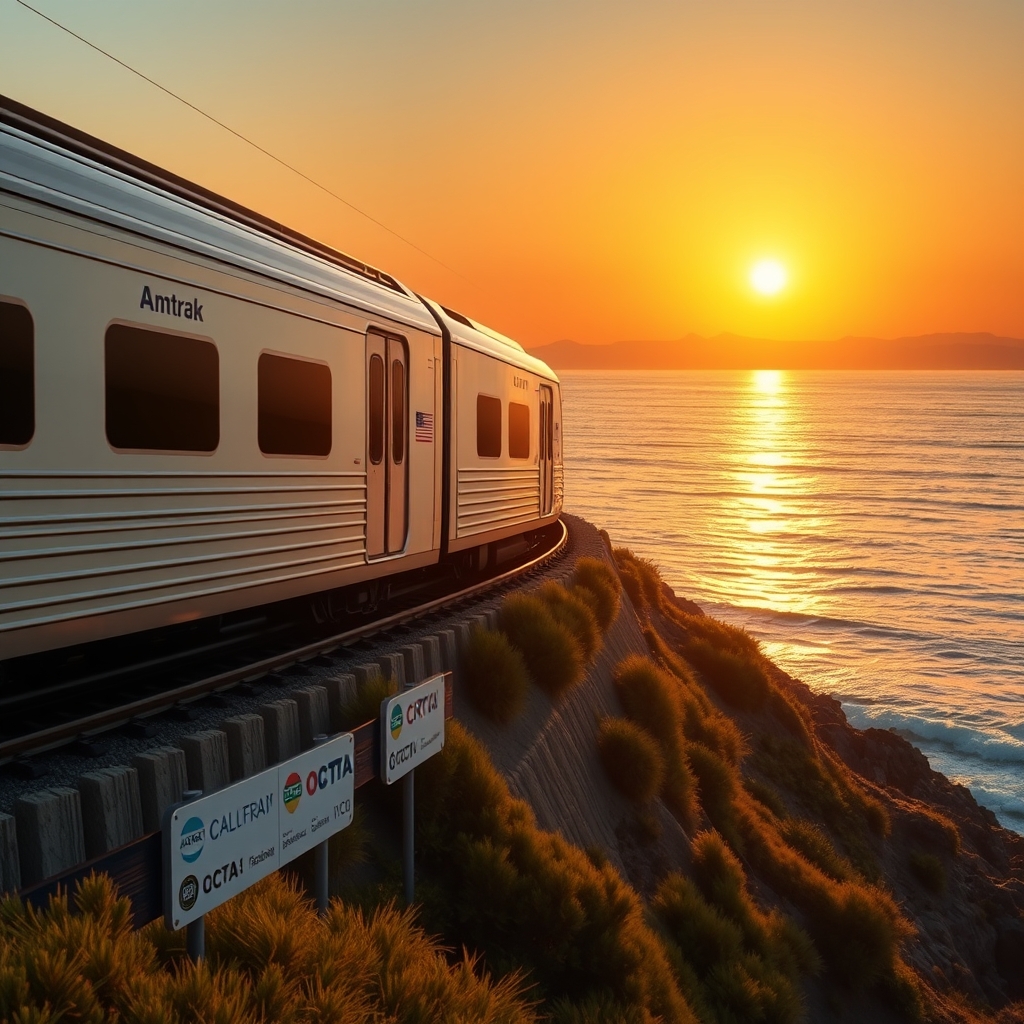
Significant Investments in California’s LOSSAN Rail Corridor: A Comprehensive Overview
The Los Angeles – San Diego – San Luis Obispo (LOSSAN) rail corridor, a critical artery of Amtrak’s Pacific Surfliner service, is undergoing a substantial transformation thanks to a recent $189 million investment from the California State Transportation Agency (CalSTA). This funding, part of CalSTA’s larger $1.3 billion Transit and Intercity Rail Capital Program (TIRCP), signals a commitment to modernizing and enhancing the capacity and resilience of this vital passenger and freight rail line, the second busiest intercity passenger rail corridor in the United States. This article will delve into the specifics of these crucial projects, examining their individual impact and their collective contribution to improving safety, efficiency, and operational reliability along the 351-mile (564.8 km) LOSSAN corridor, which serves 41 stations and handles over 150 daily passenger trains. We will explore the multifaceted challenges facing the corridor, the innovative solutions being implemented, and the long-term benefits these improvements will bring to the region’s transportation network. The projects highlight the crucial role of strategic infrastructure investments in supporting economic growth and enhancing the quality of life for California’s residents.
Coastal Rail Infrastructure Resiliency: Protecting Against Environmental Threats
A significant portion of the funding, $125 million, has been allocated to the Orange County Transportation Authority (OCTA) for the Coastal Rail Infrastructure Resiliency Project. This initiative focuses on a seven-mile stretch of track in San Clemente, particularly vulnerable to coastal erosion and storm surges. The project encompasses shoreline reinforcement, trail restoration, and the implementation of protective measures to safeguard the rail line from environmental degradation. This is crucial not only for maintaining operational continuity but also for ensuring the long-term viability and safety of the LOSSAN corridor in the face of climate change and rising sea levels. The project addresses a critical vulnerability, preventing potential service disruptions and ensuring passenger safety.
Capacity Expansion and Enhanced Connectivity: Double-Tracking and Siding Projects
The allocation includes $26.8 million for the Eastbrook to Shell Double-Tracking project, undertaken by the San Diego Association of Governments (SANDAG) and the North County Transit District (NCTD). This project replaces a 0.6-mile (0.9 km) single-track section with a double track, improving service reliability, particularly at the Oceanside Transit Centre – a major hub connecting various rail and local transit services. Furthermore, the Coast Rail Coordinating Council (CRCC) received $22 million for the Ortega Siding project between Santa Barbara and Carpinteria. This addition allows for an extra Pacific Surfliner round trip, increasing overall operational flexibility and facilitating the planned expansion to seven daily round trips between Goleta and San Diego, and a third daily round trip to San Luis Obispo. These improvements directly address the increasing demand for rail travel and enhance the efficiency of the LOSSAN corridor.
Bluff Stabilization and Operational Flexibility: Mitigating Risks and Improving Service
Another critical project addresses the ongoing challenge of bluff stabilization in Del Mar. SANDAG and NCTD received $11.6 million for the Del Mar Bluffs Stabilization Phase 5 Continuation project, which will install up to 128 new soldier piles to prevent slope failure and maintain passenger and freight safety. This preventative measure is essential for ensuring the long-term integrity of the rail line and preventing costly and disruptive emergency repairs. Finally, a $4.1 million grant to the CRCC will fund the Orcutt Road Left-Hand Crossover near San Luis Obispo. This project enhances operational flexibility, allowing for smoother train movements and contributing to more reliable passenger rail service along the Central Coast.
Conclusion: Investing in a Sustainable and Resilient Rail Future
The $189 million investment in the LOSSAN corridor represents a significant step towards a more robust, efficient, and resilient rail network in Southern California. The projects detailed above – encompassing coastal protection (OCTA’s Coastal Rail Infrastructure Resiliency Project), capacity improvements (Eastbrook to Shell Double-Tracking), operational enhancements (Ortega Siding and Orcutt Road Left-Hand Crossover), and safety measures (Del Mar Bluffs Stabilization) – collectively address key challenges facing the corridor. These investments are not merely about upgrading infrastructure; they are about building a sustainable transportation system capable of meeting the needs of a growing population while also adapting to the challenges of climate change. The focus on environmental protection, capacity expansion, and enhanced safety demonstrates a forward-thinking approach to rail transportation, ensuring the LOSSAN corridor remains a vital component of California’s transportation infrastructure for decades to come. The successful completion of these projects will significantly improve passenger experience, boost regional economic activity, and contribute to a greener, more sustainable transportation future for Southern California. The collaborative efforts of CalSTA, OCTA, SANDAG, NCTD, and CRCC underscore the importance of coordinated planning and investment in achieving these vital transportation goals.
RELATED POSTS

July 11, 2025 8:34 pm
New SkyTrain Mark V fleet boosts Metro Vancouver capacity, improving...

May 29, 2025 11:00 pm
Rome Metro Line C: Advancing Through the Eternal City Rome,...

October 19, 2024 10:49 am
Duos Technologies and CN Partner to Enhance Rail Safety with AI-Powered Wayside Detection Technology
Duos, known for its Railcar Inspection Portal and ten active...

October 11, 2017 12:29 am
Optimize your railway infrastructure for peak performance and resilience. ...

August 12, 2025 2:33 pm
Railway infrastructure upgrades are boosting efficiency and safety globally. ...
May 19, 2022 11:13 am
The following article delves into the significant impact of the...