
Wabtec’s FLXdrive: Electric Heavy Haul Revolution
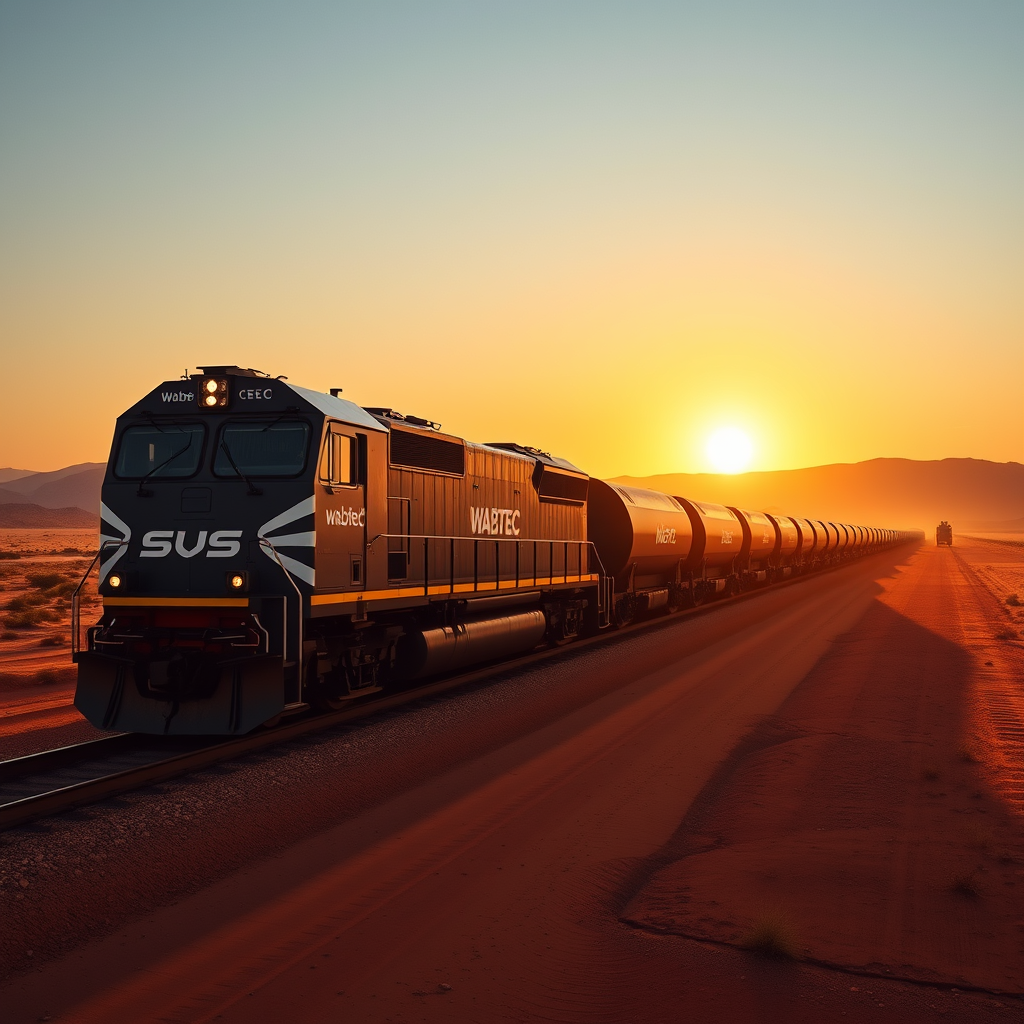
The Dawn of Battery-Electric Heavy Haul: Wabtec’s FLXdrive Locomotive and the Future of Rail
The global railway industry is undergoing a significant transformation driven by the urgent need for environmental sustainability and operational efficiency. This article explores the groundbreaking development and deployment of Wabtec’s FLXdrive, a 100% battery-electric heavy-haul locomotive, specifically focusing on its application at Roy Hill iron ore mine in Western Australia. This case study highlights the technological advancements in battery technology, the potential for significant emissions reduction and cost savings in heavy-haul rail operations, and the implications for the wider adoption of battery-electric locomotives across various sectors of the railway industry. We will delve into the technical specifications, operational strategies, and the broader environmental and economic impacts of this innovative solution. The transition to cleaner, more efficient rail transport is crucial for meeting global sustainability goals, and the FLXdrive represents a pivotal step in this journey.
Technological Advancements in Battery-Electric Locomotives
The FLXdrive locomotive, boasting a 7 MW/h capacity, marks a significant leap forward in battery-electric technology for heavy-haul applications. Unlike its predecessor, the 2.4 MW/h prototype tested in California, this iteration is designed for mainline operation, capable of hauling over 33,000 tons of iron ore in typical Roy Hill 2700m long trains. Crucially, the locomotive incorporates a sophisticated battery thermal management system, essential for reliable operation in the extreme temperatures of the Pilbara region, which can reach 55°C. This demonstrates the ability of battery technology to overcome significant environmental challenges previously perceived as limitations to its widespread adoption. The inclusion of regenerative braking further enhances efficiency, allowing the locomotive to recharge its batteries during downhill runs, effectively reducing energy consumption and operational costs.
Operational Strategies and Economic Benefits
Roy Hill’s strategic integration of the FLXdrive into its existing fleet of four Wabtec ES44ACi (Evolution Series) diesel-electric locomotives creates a hybrid system maximizing efficiency. The regenerative braking system, utilized during the 344km downhill journey from mine to port, charges the battery, enabling the locomotive to use stored energy for the uphill return trip. This cyclical operation significantly reduces reliance on diesel fuel, leading to double-digit percentage reductions in both fuel costs and greenhouse gas emissions per train. The economic benefits extend beyond fuel savings, encompassing reduced maintenance costs associated with diesel engines and a potential increase in operational efficiency. This demonstrates the potential for a significant return on investment (ROI) for railways adopting similar battery-electric technologies.
Environmental Impact and Sustainability
The deployment of the FLXdrive at Roy Hill signifies a substantial contribution to environmental sustainability within the mining and rail sectors. The substantial reduction in greenhouse gas emissions from diesel fuel consumption aligns with global efforts to mitigate climate change. Beyond the direct environmental impact, this project showcases the potential for the wider adoption of battery-electric locomotives across various rail applications, such as passenger transport and freight hauling in diverse geographical locations. The successful integration of this technology in a demanding operational environment like the Pilbara highlights its potential scalability and applicability to a range of challenging contexts.
Conclusions and Future Outlook
The successful unveiling and deployment of Wabtec’s 7 MW/h FLXdrive battery-electric locomotive at Roy Hill marks a pivotal moment in the evolution of heavy-haul rail. This project represents more than just a technological advancement; it showcases a paradigm shift towards sustainable and cost-effective rail operations. The integration of regenerative braking, advanced battery thermal management, and the strategic hybrid approach with existing diesel-electric locomotives significantly reduces fuel consumption, emissions, and operational costs. The double-digit percentage reductions in fuel costs and emissions demonstrate the significant financial and environmental benefits achievable through the adoption of battery-electric technology. Beyond the immediate impact on Roy Hill’s operations, this project provides compelling evidence of the viability and scalability of battery-electric locomotives for broader application within the rail industry. The success of the FLXdrive underscores the potential for decarbonizing the rail sector, contributing to global sustainability goals, and ultimately shaping the future of railway transport worldwide. Further research and development into battery technology, charging infrastructure, and operational strategies will undoubtedly drive even greater advancements in this field, leading to the wider adoption of environmentally friendly and cost-effective rail solutions. The FLXdrive’s success is a powerful demonstration that sustainable practices and technological innovation can go hand-in-hand to create a more efficient and environmentally responsible future for the global railway industry.
RELATED POSTS

February 5, 2022 5:54 am
Revitalizing Chicago’s Transit Infrastructure: The Red and Purple Modernization Project...

August 10, 2010 11:15 am
Bombardier Transportation has won a contract to build 50 Zefiro...

Siemens has agreed to buy the rail signalling division of...
April 9, 2020 8:25 pm
The Impact of the COVID-19 Pandemic on Railway Signaling Operations:...
June 29, 2025 12:33 am
CPKC's Southern US rail service is disrupted due to IT...

February 26, 2010 5:58 pm
The north-south railway project linking Kazakhstan and Iran via Turkmenistan...