
US Rail Revitalization: Mega Grants & RRIF Loans
Introduction
The United States is undertaking a significant revitalization of its aging railway infrastructure, a crucial component of the nation’s transportation network. This effort, fueled by substantial federal investment, aims to modernize rail lines, enhance operational efficiency, and boost the overall capacity of the freight and passenger rail systems. This article will examine recent allocations of funding for key rail projects, focusing on two distinct initiatives: the Railroad Rehabilitation and Improvement Financing (RRIF) loans awarded to California short-line railroads and the substantial Mega grant provided for a major bridge replacement project in Florida. These projects exemplify the diverse needs and strategies employed in the broader national rail infrastructure upgrade. The scale and scope of these endeavors highlight the commitment to improving safety, increasing capacity, and ensuring the long-term viability of the American rail network for both freight and passenger transport. The strategic investment in railway infrastructure reflects a larger policy shift towards sustainable transportation, economic growth, and improved connectivity across the country. This analysis will delve into the specifics of the funded projects, exploring their impact on local economies and the wider national transportation landscape.
California Short-Line Railroad Improvements
The Department of Transportation (DOT), through its Build America Bureau, recently awarded a $31.4 million RRIF loan to two California short-line railroads: the Sierra Northern Railway (SNR) and the Mendocino Railway (MR). This loan represents nearly 100% financing for planned improvements. The SNR will utilize its portion of the funding to extend its Oakdale branch track by 6.7 miles, creating crucial additional storage capacity for locomotives and rail cars. This expansion is vital for efficient operations and increased freight handling capabilities. The Mendocino Railway’s allocation will focus on substantial rehabilitation efforts, encompassing the repair or replacement of 27 bridges, the renewal of 50 miles of track, and the critical restoration of the Noyo Canyon Tunnel. These upgrades will significantly improve the safety and reliability of the MR line, enhancing its operational efficiency and attracting new freight customers. The completion of all projects is slated for 2027. This investment exemplifies the importance of supporting short-line railroads, which play a critical role in regional economies and the overall freight transportation network.
The St. Lucie River Railroad Bridge Replacement
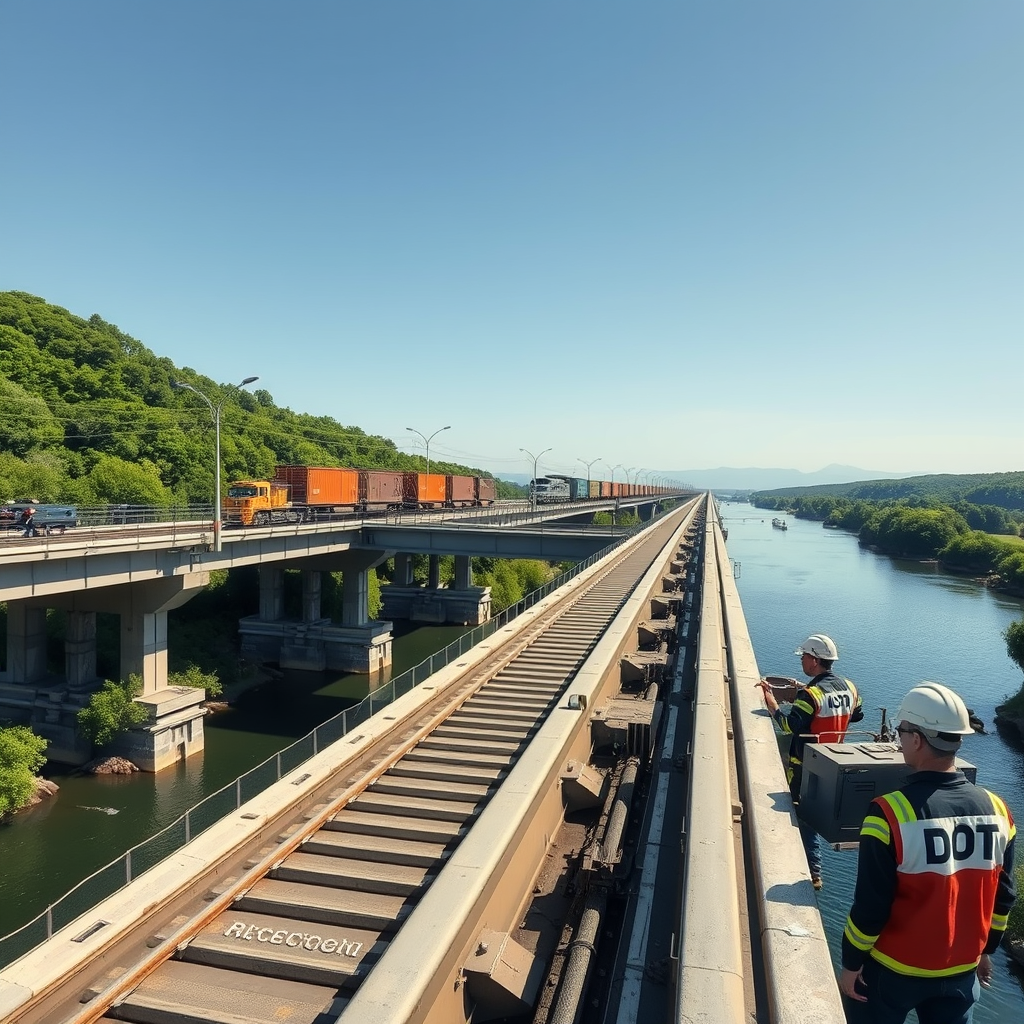
In Florida, a considerably larger investment has been directed towards the replacement of the St. Lucie River Railroad Bridge. This project secured $130 million in funding through the DOT’s National Infrastructure Project Assistance (Mega) program. The existing century-old bridge is being replaced with a modern, double-track structure offering improved vertical clearance. This enhanced clearance directly addresses a longstanding conflict between rail and maritime traffic, facilitating smoother and more efficient movement of both. The new bridge is designed to accommodate the increased weight and volume of modern freight trains, improving the efficiency and safety of rail operations. This substantial investment exemplifies the commitment to addressing critical infrastructure deficiencies that hinder economic growth and efficient transportation. The strategic improvement of this major crossing will have significant positive impacts on both the local and regional economies.
The Broader Context of National Rail Infrastructure Investment
The funding awarded to these projects is part of a larger national effort, spearheaded by the Biden Administration, to revitalize America’s rail infrastructure. The Bipartisan Infrastructure Law provided substantial financial resources for numerous infrastructure initiatives, including the $5 billion Mega program and the RRIF loan program. This commitment underscores the recognition of rail transportation’s essential role in economic growth, job creation, and sustainable transportation solutions. These improvements are not just about repairing aging assets; they’re about building a more resilient and efficient transportation system capable of meeting the demands of a growing economy and evolving freight and passenger needs. The selection of these projects showcases a deliberate strategy focused on addressing immediate needs, improving operational efficiency, and fostering long-term growth within the rail sector.
Conclusions
The significant funding allocated to the California short-line railroad improvements and the Florida bridge replacement project underscores a broader national commitment to modernizing and enhancing the United States’ railway infrastructure. The RRIF loan awarded to the Sierra Northern Railway and Mendocino Railway facilitates crucial track expansion and rehabilitation, increasing capacity and operational efficiency for these vital regional rail lines. These improvements will boost freight transport capabilities, improve safety, and attract new business to the areas served. Similarly, the Mega grant funding the St. Lucie River Railroad Bridge replacement addresses a critical bottleneck, improving both rail and maritime transportation efficiency and eliminating a long-standing safety concern. The replacement of this outdated bridge with a modern double-track structure is a crucial step towards facilitating the seamless movement of freight and promoting economic growth in the region. The selection of these projects—representing both targeted improvements to existing systems and complete overhauls of critical infrastructure—highlights a multi-pronged approach to modernization. The projects represent not only substantial upgrades to aging assets but also a forward-looking vision for a more robust and resilient national railway system. The success of these endeavors will contribute significantly to the overall efficiency, safety, and economic vitality of the nation’s transportation network, impacting both local communities and national economic competitiveness. The continued investment in railway infrastructure modernization, as evidenced by these projects, promises a more efficient, reliable, and sustainable transportation future for the United States.
RELATED POSTS

November 2, 2021 7:16 pm
This article analyzes the recent Alstom contract to supply new...

July 14, 2025 8:33 am
Austrian Tauern Line reopens after modernization, boosting rail services and...

October 8, 2025 2:54 am
Bharti Airtel secures a multi-year contract to bolster **cybersecurity** for...

September 13, 2025 2:01 am
Southeastern boosts staff wellbeing, reducing absenteeism and rail disruption via...

June 2, 2025 11:00 am
Network Rail powers a greener future! Our new solar farm...
July 27, 2022 3:56 am
This article explores Stadler’s commitment to sustainable railway solutions, focusing...