
Turkish Freight Wagons: Rail Tech, Innovation & Future in Turkey
Turkish freight wagons are modernizing, boosted by infrastructure investments and rising demand. Advanced tech and strategic partnerships drive efficiency in the railway sector.
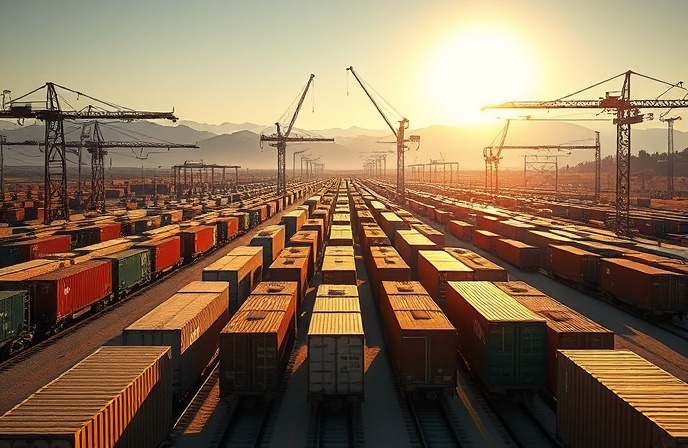
Navigating the Rails: A Deep Dive into the World of Turkish Freight Wagons
The Turkish railway sector is experiencing a period of significant growth and modernization, driven by strategic investments in infrastructure and a rising demand for efficient freight transport. This has placed Turkish freight wagons at the forefront of industry discussions. Who are the key players shaping this evolution? What innovations are driving change? When are these developments occurring, and where are the major hubs of activity? Why is this growth so crucial, and how are these changes unfolding? This article delves into the dynamic landscape of Turkish rail freight, examining the latest developments and their impact on the wider European railway network. The primary focus is to analyze the advancements and increasing prominence of Turkish freight wagons, exploring their technological features, strategic importance, and the implications for the future of rail transport.
Modernizing the Fleet: The Technological Advancements in Turkish Freight Wagons
The Turkish State Railways (TCDD), along with private sector operators, are actively modernizing their freight wagon fleets. This includes the adoption of advanced technologies to improve efficiency, safety, and cargo capacity. Modern Turkish freight wagons are increasingly equipped with features such as:
- Advanced braking systems: Ensuring safer and more reliable operations.
- GPS tracking and monitoring: Providing real-time visibility of cargo location and status.
- Lightweight and durable materials: Reducing overall weight and improving fuel efficiency.
- Automated coupling systems: Streamlining train assembly and disassembly.
- Data-driven maintenance: Predicting and preventing potential failures.
These technological upgrades are aimed at enhancing operational efficiency, reducing downtime, and optimizing the overall cost-effectiveness of rail freight transportation. The integration of these technologies is crucial for meeting the evolving needs of the Turkish economy and its growing trade relationships.
Strategic Investments and Expansion: Fueling the Growth of Turkish Rail Freight
Significant government and private sector investments are being channeled into railway infrastructure and rolling stock. This includes the construction of new lines, upgrades to existing routes, and the acquisition of new Turkish freight wagons. These investments are strategically aligned with the country’s aim to become a major transit hub for goods traveling between Europe, Asia, and the Middle East. The government’s focus on enhancing the rail network capacity is critical for accommodating the increasing volume of freight traffic and reducing reliance on road transportation, which faces growing congestion issues.
Meeting the Demand: Types and Applications of Turkish Freight Wagons
The variety of Turkish freight wagons reflects the diverse range of goods transported by rail. These include specialized wagons designed for:
- Container transport (ISO containers): Meeting the needs of global shipping.
- Bulk cargo (coal, minerals): Supporting industrial production and infrastructure projects.
- Automobile transport: Serving the growing automotive industry.
- Refrigerated wagons: Ensuring the safe transport of perishable goods.
The design and construction of these wagons are subject to rigorous international standards, ensuring their compatibility with the broader European rail network. These wagons are optimized for different payloads and operational environments, contributing to a more efficient and flexible rail freight system. Furthermore, the integration of intermodal solutions, where freight can seamlessly transfer between different modes of transport, such as sea, road, and rail, is a key priority.
The Role of Manufacturers and Suppliers: Driving Innovation in Turkish Rail
Several Turkish and international companies are actively involved in the design, manufacture, and maintenance of Turkish freight wagons. These companies are crucial for supporting the ongoing modernization efforts within the Turkish rail industry. They are also investing in R&D and innovation, developing new and improved wagon designs and technologies. The collaboration between these manufacturers and operators, along with the contributions of component suppliers, fosters a competitive environment that stimulates continuous improvement. Major players are focusing on sustainable practices and eco-friendly designs to reduce the environmental impact of rail freight transportation.
Conclusion
The future of rail freight in Turkey is promising, with Turkish freight wagons playing a pivotal role in this trajectory. Investments in infrastructure and technology, coupled with the strategic importance of its geographical location, position Turkey as a key player in regional and international freight transportation. As the demand for efficient and sustainable transport continues to grow, the advancements in Turkish freight wagons are becoming increasingly relevant. The industry will likely see further advancements in areas like digital integration, lightweight construction, and energy efficiency. The industry implications are significant, impacting efficiency, costs, and overall supply chain optimization. This continuous development will contribute to a more integrated and effective rail freight network, further solidifying Turkey’s role as a critical transit hub. The future of rail freight hinges on this ongoing innovation and adaptation, promising to reshape the logistics landscape.
RELATED POSTS
August 13, 2025 11:33 pm
Rail logistics is evolving rapidly, driven by technology, intermodalism, and...

December 17, 2014 5:08 pm
Attending the event were Jean-Paul Huchon, President of STIF and...

August 10, 2017 2:44 pm
Unlocking global rail interconnectivity: Learn how standardized infrastructure and...
April 4, 2018 6:21 pm
The MBTA's Wellington Yard rebuild, a $102.7 million upgrade, dramatically...

November 10, 2025 3:54 pm
The European Commission unveils an ambitious plan to triple the...

The Taiwan Railways Administration (TRA) has signed a $364m contract...