
Optimizing Rail Logistics: Future Strategies & Trends
Rail logistics is evolving rapidly, driven by technology, intermodalism, and sustainability. Innovations are reshaping freight movement, optimizing efficiency and reducing impact.
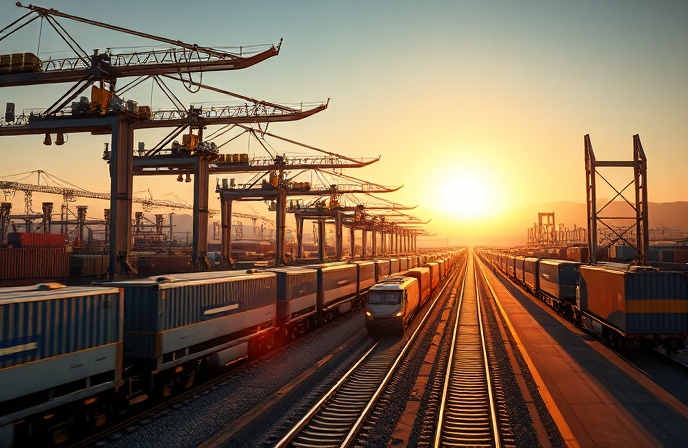
Optimizing Rail Logistics: Navigating the Evolving Landscape of Freight Transportation
The railway industry is experiencing a period of unprecedented transformation, driven by technological advancements, evolving market demands, and the urgent need for sustainable transport solutions. From streamlined operations to enhanced efficiency, railroads are adapting to meet the challenges of the 21st century. This article explores the key aspects of modern **rail logistics**, examining how innovations are reshaping the way goods move across the country and beyond. We delve into the specific challenges and opportunities present, providing valuable insights for railway professionals and industry stakeholders seeking to optimize their operations and stay ahead of the curve. The primary goal of this analysis is to showcase the critical role that strategic **rail logistics** plays in modern supply chains and to outline the key strategies for future success in this vital sector.
The Rise of Intermodal Transportation and its Impact on Rail Logistics
Intermodal transportation, the practice of using multiple modes of transport (rail, truck, ship) to move freight, is revolutionizing **rail logistics**. This approach allows shippers to leverage the strengths of each mode, optimizing speed, cost, and environmental impact. The strategic integration of rail into intermodal networks is crucial for addressing congestion on roadways, reducing carbon emissions, and improving the overall efficiency of supply chains. Containerization plays a key role in this integration, enabling seamless transfer of goods between railcars, ships, and trucks. Increased investment in intermodal terminals, equipped with advanced handling equipment and sophisticated tracking systems, is a direct result of the growing demand. This ensures that **rail logistics** offers a competitive advantage in terms of both speed and reliability.
Technology’s Transformative Role in Rail Operations and Logistics
Technology is rapidly transforming all aspects of the **rail logistics** sector. Advanced analytics and predictive modeling are optimizing route planning, forecasting demand, and identifying potential disruptions before they occur. Real-time tracking systems, leveraging GPS and Internet of Things (IoT) sensors, provide unparalleled visibility into the location and condition of freight throughout the journey. Automated train control (ATC) systems enhance safety and efficiency by optimizing train movements and reducing human error. The deployment of digital platforms is streamlining communication between shippers, railroads, and other stakeholders, accelerating the process of order fulfillment and improving customer service. The integration of big data and Artificial Intelligence (AI) is also optimizing resource allocation, leading to significant improvements in overall operational performance.
Overcoming Challenges in Rail Infrastructure and Capacity
Despite the potential, the **rail logistics** sector faces significant challenges related to infrastructure and capacity. Aging infrastructure, particularly in certain regions, requires significant investment in maintenance and upgrades to ensure efficient and reliable operations. Capacity constraints, especially on key freight corridors, can lead to delays and bottlenecks. Addressing these challenges requires a multi-pronged approach, including strategic infrastructure investments, the adoption of innovative signaling and track maintenance technologies, and improved collaboration between railroads and government agencies. Furthermore, upgrading terminal capabilities and expanding the network to accommodate increased traffic are also critical components in supporting a robust rail freight system. Effective maintenance of equipment and infrastructure directly impacts the smooth running of **rail logistics**.
The Sustainability Imperative: Green Logistics and Rail’s Advantage
Sustainability is becoming increasingly important, with pressure mounting on all transport sectors to reduce their environmental impact. Rail offers a significant advantage in terms of energy efficiency and reduced greenhouse gas emissions compared to road transport. Embracing “green logistics” practices, such as the use of alternative fuels (e.g., biofuels, electricity) and optimizing train operations for fuel efficiency, is gaining momentum. The adoption of electric locomotives in certain corridors and the implementation of strategies to minimize idling time are key initiatives. Furthermore, promoting **rail logistics** as a sustainable transport solution is a vital strategy to meet the demands of environmentally conscious consumers and policymakers, solidifying its position as a critical element of a green supply chain.
Conclusion
The future of freight transportation is undeniably intertwined with the evolution of **rail logistics**. The industry is undergoing a profound transformation, fueled by technological innovation, the rise of intermodalism, and the growing emphasis on sustainability. Railways that embrace these changes and invest strategically in infrastructure, technology, and human capital will be best positioned to thrive. The industry must continue to optimize its processes, reduce costs, and improve service levels to meet the ever-evolving needs of shippers. Future trends suggest a further integration of AI, predictive maintenance, and digital platforms. The evolution of **rail logistics** will be integral to creating a more resilient, efficient, and environmentally responsible supply chain. Moreover, strategic partnerships and government support are likely to play a crucial role in fostering growth and innovation across the sector, ensuring that railroads remain a vital component of the global economy for many years to come.
RELATED POSTS

January 4, 2025 12:30 pm
This article delves into the significant Intercity Eixo Norte rail...

December 28, 2015 4:44 pm
Hitachi Rail Italy to manufacture AT300 trains at its facility...
March 31, 2021 8:19 am
This article delves into the significant contract awarded to Alstom...

September 6, 2025 11:37 am
GWR's battery-electric train sets a new world record, traveling 320km...
March 21, 2025 5:24 am
Introduction This article delves into the significant milestone achieved with...
December 11, 2019 3:09 am
This article delves into the significant Yanchep Rail Extension and...