
TRIG: UK Rail Innovation Funding & Future
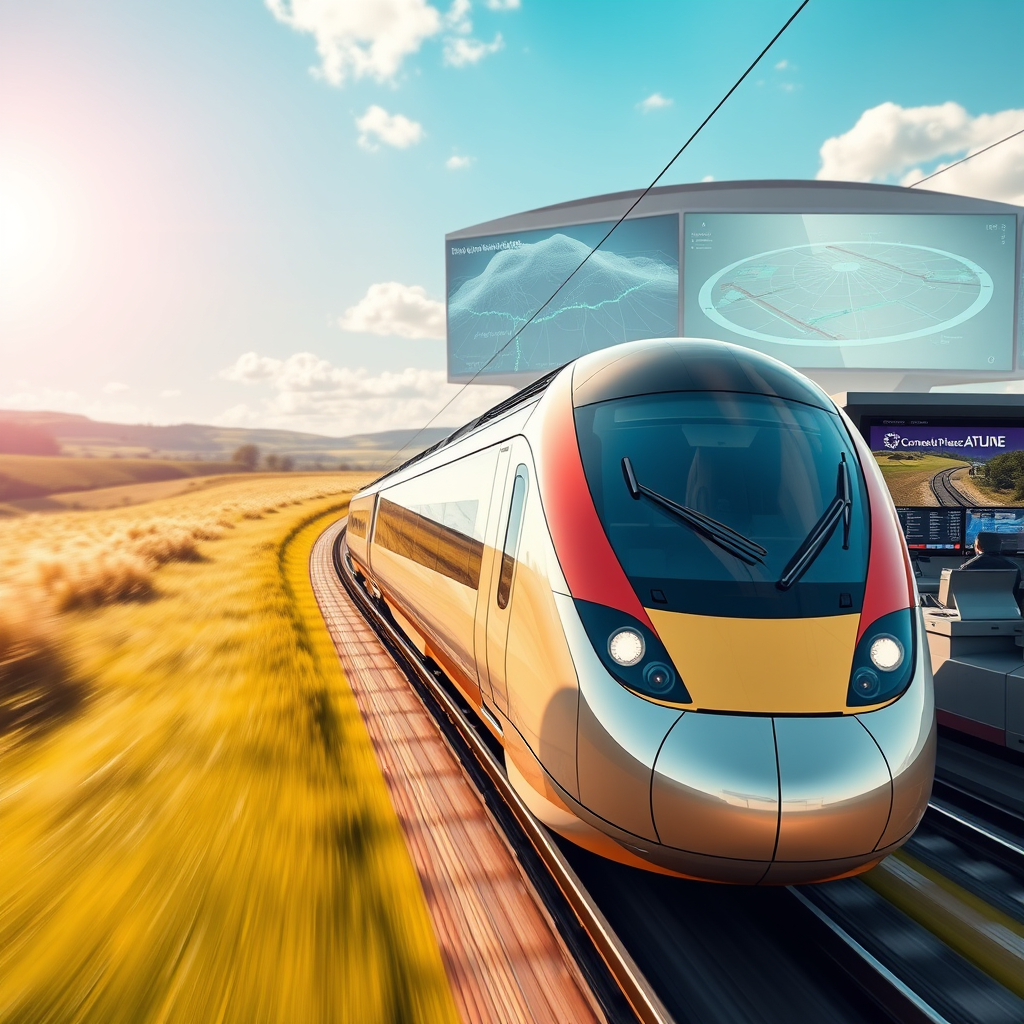
The UK Government’s Transport Research and Innovation Grant (TRIG) Competition: A Catalyst for Rail Innovation
The UK’s transport sector stands at a critical juncture, grappling with the urgent need for decarbonization, enhanced efficiency, and improved accessibility. This necessitates a robust commitment to innovation, driving the development and implementation of cutting-edge technologies and solutions. This article explores the pivotal role of the Transport Research and Innovation Grant (TRIG) competition, a decade-long initiative funded by the UK Government, in fostering innovation within the UK’s transport landscape, particularly focusing on its impact on the railway industry. The competition, managed by Connected Places Catapult, offers substantial funding opportunities for businesses developing innovative solutions across various transport modes, with a significant focus on addressing key challenges such as improving the efficiency and sustainability of freight transport, enhancing the resilience of transport networks through the use of digital twins, and accelerating the decarbonization of maritime and air transport. We will examine the program’s history, its impact on rail-specific projects, the challenges faced by smaller companies seeking to translate innovation into commercial success, and the overall contribution of TRIG to a more sustainable and efficient UK transport network.
TRIG’s Decade of Innovation
Since its inception in 2014, the TRIG competition has demonstrably advanced transport innovation in the UK. With over £12 million awarded to 361 projects, the program has provided crucial seed funding for a wide array of innovative endeavors. This financial support has been instrumental in facilitating the development and testing of innovative technologies, attracting investment, and accelerating the time to market for promising solutions. The increased funding per application in 2023, up to £45,000, signals the government’s continued commitment to supporting high-potential projects. This increase reflects a conscious effort to overcome some of the challenges faced by smaller firms in scaling up from initial research and development to commercial deployment. The success stories stemming from the program include the development of passenger assistance apps, robotics for freight ports, and even kite-powered tug boats – showcasing the wide-ranging applications of the funding.
Addressing the Rail Industry’s Specific Needs
While TRIG’s scope is broad, its impact on the rail industry is significant. The competition directly addresses several pressing challenges within the sector. The focus on the “Future of Freight” plan highlights the need for innovative solutions to optimize freight transport, potentially including advanced train control systems, improved logistics management, and the integration of autonomous vehicles. Furthermore, the emphasis on digital twins allows for the creation of virtual representations of railway systems, enabling better predictive maintenance, enhanced risk management, and more efficient operational planning. The investment in technologies to improve accessibility, such as navigation apps for passengers with disabilities, emphasizes the human-centered design principles central to the development of modern railway systems.
The Bridging the Gap Challenge: From Innovation to Commercialization
Despite the success of TRIG, the Rail Innovation Exhibition highlighted a persistent challenge: the gap between securing initial innovation funding and securing contracts for commercial deployment. Smaller companies often struggle with the transition from the research and development phase to full-scale implementation. This gap emphasizes the need for further support mechanisms that extend beyond initial funding, perhaps including mentorship programs, access to industry networks, and assistance with securing commercial partnerships. Bridging this gap is critical to maximizing the long-term impact of the innovation generated through TRIG and ensuring that promising technologies find their way into real-world applications within the railway sector.
The Role of Intelligent Transportation Systems (ITS)
The integration of Intelligent Transportation Systems (ITS) is vital for modernizing the railway industry. ITS encompasses technologies like centralized train control systems and advanced passenger information systems, all working together to enhance operational efficiency, improve safety, and create a seamless passenger experience. TRIG’s support for ITS-related projects helps position the UK as a leader in the development and deployment of these critical systems. The government’s focus on AI-powered solutions further underscores its commitment to leveraging technological advancements to make transport more efficient and cost-effective. The application of AI in areas such as predictive maintenance, optimizing train schedules, and improving passenger flow is essential for creating a truly modern, sustainable, and user-friendly railway network.
Conclusion
The UK Government’s Transport Research and Innovation Grant (TRIG) competition has proven to be a powerful instrument for driving innovation across the UK’s transport sector, particularly within the rail industry. Over a decade, TRIG has fostered the development and deployment of numerous innovative technologies and solutions, addressing crucial challenges related to decarbonization, efficiency, and accessibility. The program’s success is evident in the wide range of projects funded, from passenger assistance apps to advanced train control systems. However, the Rail Innovation Exhibition highlighted the crucial need for ongoing support to bridge the gap between innovation and commercialization, particularly for smaller companies. Addressing this challenge requires a multifaceted approach that extends beyond initial funding, potentially incorporating mentorship schemes, industry networking events, and targeted assistance with securing commercial partnerships. The future success of the TRIG program hinges on a continued focus on identifying and nurturing innovative ideas, providing the necessary resources and support to translate these ideas into commercially viable products, and actively engaging with the industry to ensure that these advancements effectively address the challenges and opportunities facing the UK’s railway sector. The ongoing investment in Intelligent Transportation Systems (ITS), coupled with a robust support structure for smaller enterprises, will ultimately pave the way for a more efficient, sustainable, and passenger-centric railway system in the UK, contributing to a more robust and competitive national transport infrastructure. The continued success of TRIG will depend on the government’s commitment to fostering a collaborative ecosystem, where innovative ideas are not only funded but also effectively translated into tangible improvements for the UK’s railway network and the traveling public.
RELATED POSTS

December 30, 2019 7:22 am
This article examines the significant €800 million contract awarded to...

June 20, 2025 7:49 pm
Network Rail's SCADA upgrade, led by Telent, features remote securing...
May 17, 2020 5:08 pm
Introduction The railway industry, a critical component of global infrastructure,...
June 22, 2023 6:27 pm
This article examines the significant expansion of Renfe (Red Nacional...
May 8, 2023 6:30 am
Enhanced Accessibility in Rail Travel: The Implementation of British Sign...

June 11, 2025 12:00 am
CSX railway sees record low dwell time, boosting efficiency despite...