
Texas Rail Floods: Climate Resilience Strategies for Global Networks
Texas floods severely damaged rail infrastructure, highlighting climate change vulnerabilities. Disruptions crippled freight movement, causing economic losses and supply chain issues. Resilient rail networks are crucial.
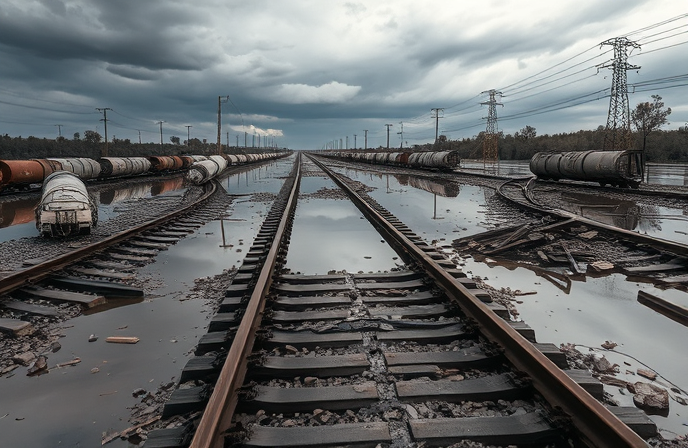
Texas Floods Expose Critical Infrastructure Vulnerabilities: Rail Networks Under Climate Threat
The recent catastrophic flash floods that ravaged Texas in early July (2025) have served as a brutal wake-up call for the railway industry and a stark demonstration of how extreme weather events are increasingly imperiling vital infrastructure. The floods, which claimed over 100 lives and left many missing, triggered significant disruptions to the state’s expansive freight rail network. This disruption offers crucial insights into the economic and operational vulnerabilities of rail systems facing a changing climate. This article examines the impact of the Texas floods on the rail sector, analyzes the lessons learned, and explores crucial strategies for building more resilient networks across the globe. The scale and scope of the damage, affecting major operators such as BNSF and Union Pacific, provide a compelling case study for rail operators, policymakers, and infrastructure planners worldwide.
Devastation on the Rails: Assessing the Immediate Impact
Texas, a cornerstone of the U.S. economy, relies heavily on its rail infrastructure for the transport of a diverse range of commodities. These include essential goods such as crude oil, refined petroleum products, agricultural produce, chemicals, and manufactured items. The intense rainfall overwhelmed existing drainage systems, leading to widespread flooding of rail lines, erosion of trackbeds, and the catastrophic failure of bridges. These events resulted in the immediate closure of critical rail corridors, impacting operations of major freight rail operators and regional lines. Intermodal facilities, vital for transferring cargo between rail and trucks, were also shut down, further compounding the disruption. The aftermath brought significant challenges including the timely assessment and repair of the damaged infrastructure. Delays in obtaining essential materials, such as ballast and replacement signalling components, and a labor-intensive repair process, led to prolonged closures and operational bottlenecks. The pre-positioning of equipment and supplies by rail companies like BNSF and Union Pacific, while a positive step, could only mitigate the damage, not prevent the significant disruption to service.
Economic Ripple Effects: Supply Chain Disruptions and Financial Losses
The immediate consequence of the rail disruptions was a substantial slowdown in the movement of goods. For Texas, a crucial node in national and international supply chains, this translated into considerable economic losses. Industries dependent on the punctual delivery of raw materials or the export of finished goods via rail faced immediate challenges. Farmers faced risks of crop spoilage, manufacturers encountered production delays due to shortages of vital components, and retailers wrestled with depleted inventories. The cumulative effects of these disruptions rippled through regional and national economies, impacting GDP, employment, and investment. Indirect impacts further amplified the economic damage. Rerouting freight to more expensive modes such as trucking, when available, strained already tight trucking capacity and contributed to price increases. Spoilage of perishable goods resulted in lost revenue, while delays affected just-in-time inventory systems, forcing companies to hold more stock, tying up capital and increasing warehousing costs. AccuWeather’s initial estimate of $18 to $22 billion in economic losses for the Texas floods underscores the immense financial burden of such events, encompassing not just physical damage but also the disruptions to commerce and supply chain logistics.
Building Resilience: Proactive Strategies for a Climate-Resilient Rail Future
The Texas floods highlight crucial lessons for rail systems worldwide, especially as climate change intensifies extreme weather events. A multifaceted approach is essential to safeguard operations. This includes proactive infrastructure hardening by retrofitting and designing new projects with future climate scenarios in mind. Elevating tracks in flood-prone areas, enhancing drainage systems, utilizing more resilient materials, and fortifying bridge foundations are crucial. Significant investment in flood control is needed; the identified $50 billion in flood control needs for Texas, with only a fraction being addressed, highlights a global shortfall in investment in resilience. Investing in advanced warning and monitoring systems with sophisticated flood forecasting models, real-time water level sensors, and AI-driven predictive analytics provides for earlier warnings, allowing proactive measures such as rerouting trains and securing vulnerable equipment. Additionally, redundancy via developing alternative routes, and fostering strong intermodal connections help mitigate impact when one section is compromised. Nature-based solutions such as wetland restoration and reforestation must be used alongside traditional engineering methods to slow runoff and reduce water volumes. Lastly, cross-sector collaboration between rail operators, government agencies, emergency services, and critical infrastructure providers is essential to effective disaster response and long-term resilience.
The Path Forward: Collaboration and Investment for a Sustainable Rail Network
The devastating impact of the Texas floods offers a critical moment for the railway industry, underscoring the urgent need for a proactive and collaborative approach to climate adaptation. The incident reinforces the critical importance of prioritizing investment in resilient rail infrastructure, modernizing early warning systems, and developing robust contingency plans. The rail sector must collaborate with governments, local communities, and other critical infrastructure providers to create a more sustainable and secure system, reducing vulnerabilities to extreme weather events. The rail industry, as a crucial artery of commerce, needs to recognize the escalating threat posed by extreme weather and proactively develop detailed resilience strategies. By embracing innovative technologies, incorporating nature-based solutions, and fostering closer collaboration, the rail industry can bolster its ability to withstand future climate-related challenges and remain a vital component of global supply chains. This commitment to resilience will not only protect essential services but also safeguard the economic stability of communities and nations worldwide.

Railway infrastructure, rolling stock and transport technologies specialist focused on global rail industry developments, high-speed rail systems, signaling technologies and freight transportation. Covering railway investments, public transport modernization, rail operations and international mobility projects across Europe, Asia and North America.
RELATED POSTS
June 2, 2026 8:44 am
⚡ In Brief: The UK Office of Rail and Road...
June 1, 2026 9:19 pm
300 IBEW signal workers initiated a strike against Canadian Pacific...
June 2, 2026 10:31 am
⚡ In Brief: The UK’s Office of Rail and Road...
June 2, 2026 11:37 am
⚡ In Brief: The UK’s Office of Rail and Road...
June 4, 2026 6:22 pm
Network Rail and HS2 demolishes two strategic rail bridges, Saltley...

June 1, 2026 9:25 am
Lumo launched its new Stirling-London Euston West Coast Main Line...