
Rotterdam Rail Depot: Strukton’s Strategic Infrastructure Investment
Rotterdam’s new rail depot, a strategic investment boosting European rail efficiency, is now open! Discover how this state-of-the-art facility optimizes freight transport.
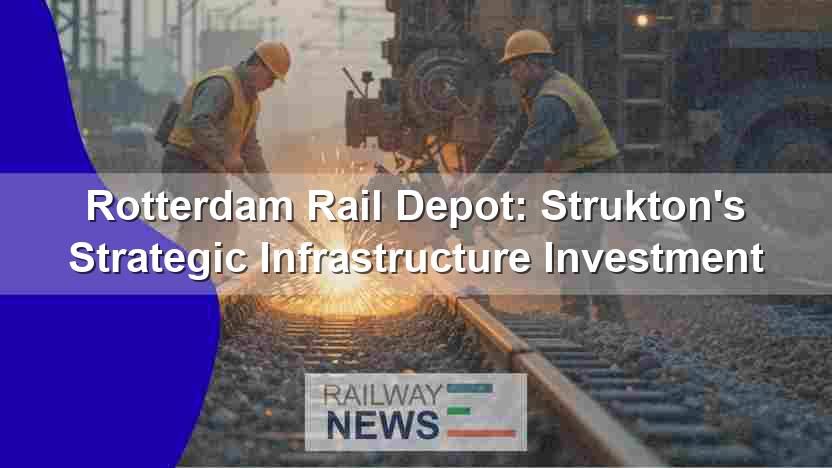
The development of efficient and strategically located rail infrastructure is crucial for the smooth functioning of modern logistics networks. This article examines the significant contract awarded to Strukton, a prominent construction firm, to design and build a new rail depot in the Port of Rotterdam, Netherlands. The project transcends a simple depot construction; it represents a strategic investment bolstering the European rail network’s capacity and efficiency. The analysis will delve into the project’s context within the broader European rail landscape, focusing on the strategic location of Rotterdam, the anticipated operational benefits, and the wider economic implications for the region. We will explore the collaboration between key players, including Strukton, Mitsui Rail Capital Europe (MRCE), and Siemens, and examine how this project contributes to the optimization of rail freight transportation across Europe. This undertaking underscores the growing importance of rail transport in facilitating efficient and sustainable intermodal logistics within a burgeoning European market.
Strategic Location and Network Connectivity
Rotterdam, one of Europe’s largest seaports, serves as a critical hub within the RailNetEurope (RNE) network. Its strategic location along major European rail corridors makes it an ideal site for a large-scale rail depot. The high volume of intermodal rail connections – exceeding 250 per week – highlights the significant demand for efficient locomotive servicing and maintenance facilities. The new depot’s proximity to these connections will allow for seamless integration into existing freight operations, minimizing downtime and optimizing operational efficiency for rail operators. This strategic placement directly addresses a critical need within the current network, supporting the flow of goods and enhancing the overall performance of European rail freight transport.
Locomotive Workshop Rotterdam (LWR) and its Operational Capabilities
The Locomotive Workshop Rotterdam (LWR), a joint venture between MRCE and Siemens, will be the primary occupant of the new depot. The facility is designed to provide detailed maintenance and servicing for Siemens Vectron locomotives, a significant component of the MRCE fleet. Beyond servicing MRCE’s fleet, the LWR aims to offer services to third-party operators, establishing itself as a major European service hub. This includes regular inspections, preventive maintenance, and corrective repairs, ensuring maximum locomotive availability and minimizing operational disruptions for numerous rail operators. This expansion of service provision exemplifies the economic viability of the project and its capacity to attract further investment in the region.
Economic and Logistic Impacts
The construction of the depot and the establishment of the LWR will generate significant economic activity in the Rotterdam region. This includes job creation during construction and ongoing employment at the workshop itself. The improved efficiency and reduced downtime offered by the LWR will benefit numerous rail operators, contributing to a more cost-effective and reliable rail freight transport system across Europe. The increased capacity and streamlined operations will translate into faster transit times, enhanced logistics planning, and a more competitive edge for businesses relying on rail freight for their supply chains. This synergistic relationship between improved infrastructure and economic growth showcases the transformative potential of well-planned rail investments.
Collaboration and Future Outlook
The success of this project rests on the effective collaboration between Strukton, MRCE, and Siemens. Strukton’s expertise in designing and constructing rail infrastructure is complemented by MRCE and Siemens’ knowledge of locomotive maintenance and operational requirements. This collaborative approach ensures the depot is built to meet the specific needs of its primary users, maximizing its operational efficiency and lifespan. The depot’s establishment in Rotterdam sets a precedent for future investments in strategic rail infrastructure, demonstrating the importance of robust public-private partnerships and the positive economic impact that can result from a well-planned and executed project. The future will likely see similar collaborations arise as the demand for efficient rail transport continues to grow in Europe.
Conclusion
The Strukton-led construction of the new rail depot in Rotterdam represents a crucial investment in European rail infrastructure. The strategic location within the RailNetEurope network, coupled with the establishment of the Locomotive Workshop Rotterdam (LWR), will significantly enhance the efficiency and reliability of rail freight transportation. The project not only improves the logistics infrastructure of the region but also stimulates economic growth through job creation and enhanced operational capabilities for rail operators. The collaborative efforts of Strukton, MRCE, and Siemens exemplify a successful public-private partnership model, showcasing how strategic investments in rail can lead to tangible economic and logistical benefits. The success of this project in Rotterdam serves as a strong argument for further investment in similar strategically located rail infrastructure projects across Europe, contributing to a more sustainable, efficient, and robust freight transportation network. The future of European logistics depends, in no small part, on the continued development of such crucial hubs and the strategic planning necessary to support their operation.

Railway infrastructure, rolling stock and transport technologies specialist focused on global rail industry developments, high-speed rail systems, signaling technologies and freight transportation. Covering railway investments, public transport modernization, rail operations and international mobility projects across Europe, Asia and North America.
RELATED POSTS

October 8, 2026 12:18 pm
Siemens Mobility signed an agreement with VinSpeed to supply 350...

October 5, 2026 6:12 pm
AECOM and Jacobs secured a contract in September 2026 to...

October 4, 2026 11:08 pm
Sound Transit confirmed the September 30 opening of Seattle Pinehurst...
October 5, 2026 1:13 pm
New York MTA confirmed a late 2026 DEIS release for...
October 6, 2026 9:17 am
Illinois approved $1.1M in state funds to upgrade two McHenry...

October 6, 2026 2:14 am
Union Pacific launched export rail shipments with Ferromex to deliver...