
Midwest Rail Revolution: $300M Federal Boost
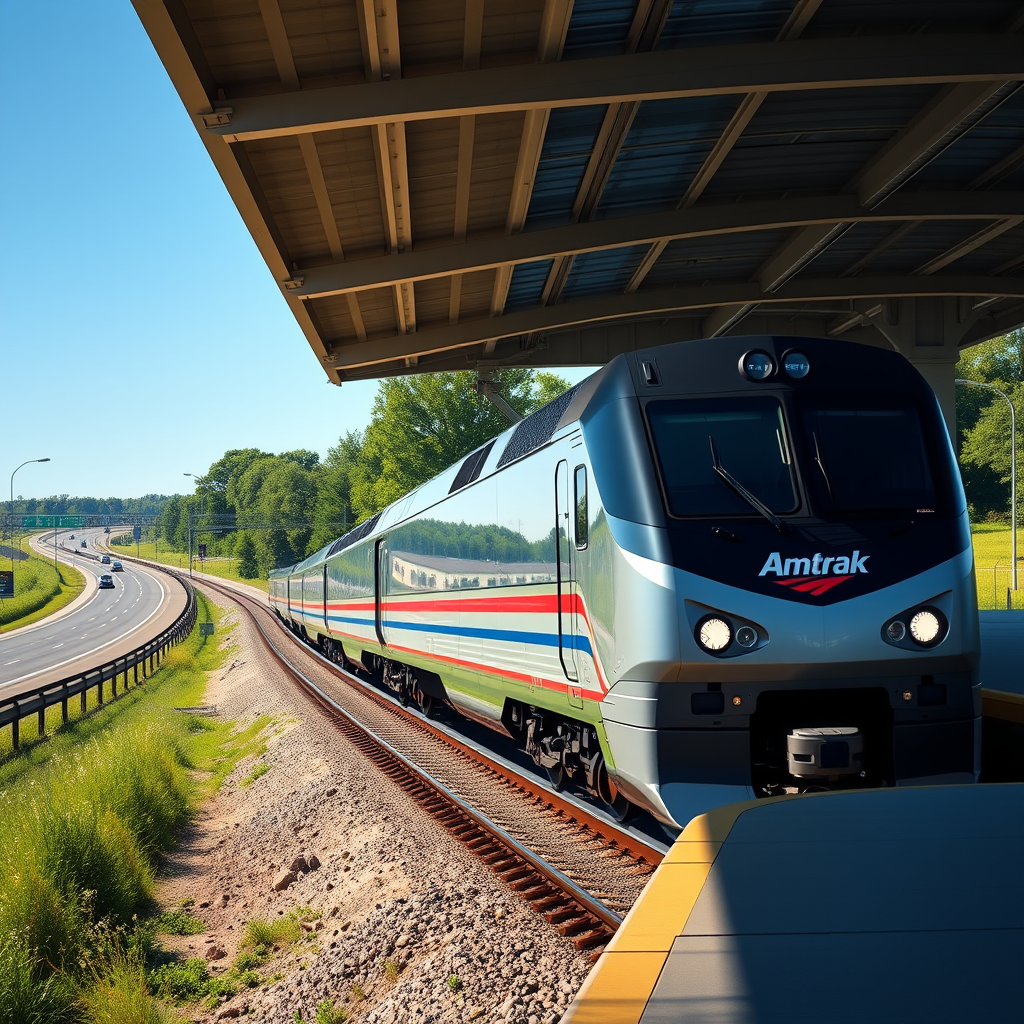
This article explores the significant impact of recent federal grants on the enhancement of passenger rail service in the Midwest, specifically focusing on Amtrak’s collaborative projects with state partners. The Consolidated Rail Infrastructure and Safety Improvements (CRISI) grant program, administered by the Federal Railroad Administration (FRA), has awarded Amtrak and its partners over $300 million to fund critical infrastructure upgrades and safety improvements. These projects are not only vital for improving the efficiency and reliability of Amtrak’s existing network but also represent a crucial step toward achieving the ambitious goal of doubling nationwide ridership by 2040. The following sections will delve into the details of these projects, highlighting their individual contributions to the overall objective of a modernized and expanded Midwest passenger rail system. The analysis will consider the technological advancements, economic benefits, and long-term sustainability implications of these initiatives.
Wolverine and Blue Water Capacity Enhancement
The $8.38 million Wolverine and Blue Water Capacity Enhancement project at Niles-Glenwood Road targets a critical bottleneck along the 19-mile Amtrak-owned Michigan Line. This initiative focuses on final design and construction to increase capacity, facilitating smoother operations and potentially enabling increased service frequency. The collaboration between Amtrak and the Michigan Department of Transportation (MDOT) underscores the importance of public-private partnerships in tackling infrastructure challenges. Successful completion of this project will directly benefit commuters and travelers in the region, improving journey times and overall passenger experience. The increased capacity could also allow for the introduction of longer or more frequent trains.
Grade Crossing Shunt Enhancement Safety Project
The $58.8 million Grade Crossing Shunt Enhancement Safety Project is a large-scale undertaking involving the installation of onboard shunt enhancement devices in 443 locomotives and 192 cab cars within the Amtrak fleet. This project significantly enhances safety at grade crossings by improving the braking capabilities and response times of trains. The collaborative nature of this project, involving State Departments of Transportation, CN Railroad (Canadian National Railway), and equipment suppliers, highlights the industry’s commitment to collective safety improvements. The widespread deployment of these devices promises a substantial reduction in the risk of collisions at grade crossings, contributing to a safer and more reliable rail network.
Springfield Rail Improvements and Muskego Yard Bypass
The $157.1 million Springfield Rail Improvements project and the $72.8 million Muskego Yard Bypass Project exemplify Amtrak’s comprehensive approach to modernization. While specifics are not detailed here, these large investments undoubtedly address critical infrastructure needs, possibly involving track upgrades, station improvements, signaling system enhancements, or yard expansion. These projects likely improve operational efficiency, reduce delays, and potentially increase the capacity of the network, laying the groundwork for future growth and expansion of passenger rail services.
Future of Midwest Passenger Rail – Phase 1
The $1.84 million allocated to the “Future of Midwest Passenger Rail – Phase 1” suggests an investment in planning and strategic initiatives. This likely encompasses feasibility studies, route analysis, environmental impact assessments, or community engagement processes crucial for the long-term development of passenger rail in the region. Such forward-looking investments are essential for informed decision-making, ensuring that future expansion projects are sustainable, efficient, and aligned with the overall goals of the Midwest passenger rail system.
Conclusions
The substantial investments secured through the CRISI grant program represent a significant step forward for passenger rail service in the Midwest. Amtrak’s collaborative approach with state partners, railroads, and equipment suppliers is crucial for the successful execution of these ambitious projects. The initiatives, ranging from capacity enhancements on the Michigan Line to large-scale safety improvements through the installation of shunt enhancement devices and comprehensive infrastructure upgrades, showcase a multifaceted strategy aimed at modernizing and expanding the rail network. The $300 million investment, coupled with the additional funding secured for projects like the Gulf Coast Corridor Improvement Project, demonstrates a strong commitment to achieving the ambitious goal of doubling Amtrak ridership by 2040. The success of these projects will not only enhance the passenger experience but also contribute to economic growth and environmental sustainability by providing a viable and efficient alternative to road transportation. Looking forward, continuous investment and strategic planning, along with effective collaborations across all stakeholders, are paramount to sustaining the momentum and fully realizing the potential of the Midwest’s passenger rail system. The detailed planning and phased approach evident in these projects suggest a well-considered strategy for long-term development. The success of these initiatives will depend on effective project management, timely execution, and ongoing collaboration among all involved parties. However, the sheer scale and scope of the investments indicate a strong commitment to revitalizing and modernizing the Midwest’s rail infrastructure, setting the stage for a future where passenger rail plays an even more significant role in the region’s transportation network.
RELATED POSTS

March 19, 2022 3:47 pm
This article delves into the development and significance of India’s...
September 4, 2023 7:37 am
This article explores the significant investment by Northern Rail (a...
June 9, 2025 4:01 pm
Stadler expands Polish engineering, opening a Poznań office. New...
December 8, 2016 8:38 pm
Bombardier and New United Group (NUG) Signaling Solutions Co. Ltd....
October 6, 2023 9:15 am
Long-Term Strategic Partnerships in Railway Maintenance: A Case Study of...

March 13, 2017 8:53 am
Myanmar’s infrastructure investment is forecasted to have a boost in...