
Perth’s A$1.6B Rail Upgrade: CBTC Revolution
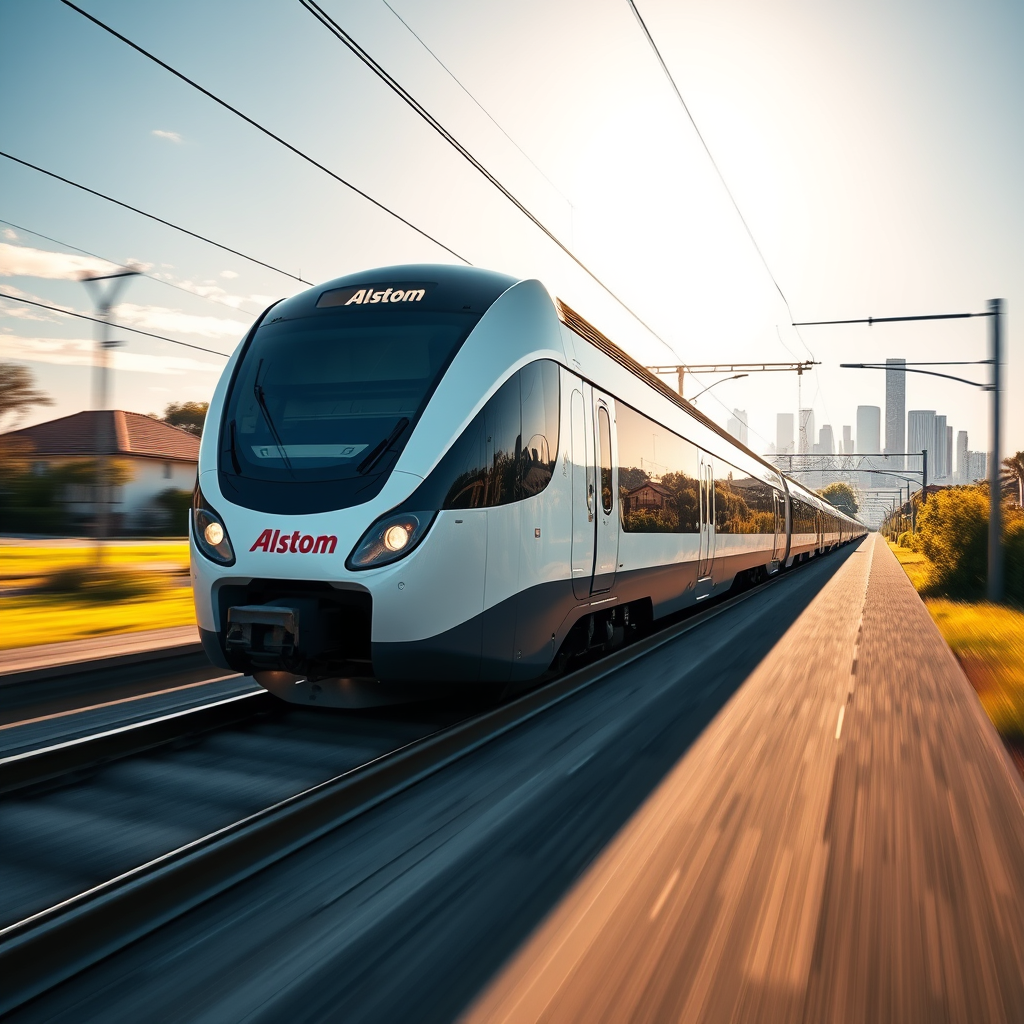
This article examines the significant A$1.6 billion ($1.1 billion USD) signalling upgrade project undertaken for Perth, Australia’s suburban rail network, highlighting the technological advancements, economic impact, and broader implications for the city’s transportation infrastructure. The project, a key component of the larger METRONET initiative, showcases a substantial investment in modernizing rail operations, aiming to significantly enhance capacity and efficiency. We will delve into the specifics of the chosen technology, the collaborative efforts between Alstom and DT Infrastructure, the anticipated benefits for commuters and the city, and the broader context of this project within the global railway signaling market. This analysis will explore the technical details of the Communications-Based Train Control (CBTC) system, the challenges and opportunities presented by large-scale infrastructure upgrades, and the strategic position of Alstom within the evolving landscape of railway signaling technology.
The METRONET Project and the High Capacity Signalling Upgrade
The A$1.6 billion ($1.1 billion USD) High Capacity Signalling project is a cornerstone of Perth’s ambitious METRONET program (a long-term investment in the city’s rail infrastructure initiated in 2017). This upgrade, managed by the Public Transport Authority of Western Australia (PTA), focuses on replacing the existing signaling system with Alstom’s state-of-the-art Urbalis CBTC (Communications-Based Train Control) system across the entire 500km Transperth rail network. The choice of CBTC signifies a move towards a more advanced, efficient, and safer signaling solution. CBTC utilizes continuous communication between trains and the trackside infrastructure for precise train location and control, allowing for significantly shorter headways (the time interval between trains) and ultimately, higher capacity.
Alstom’s Urbalis CBTC System and its Technological Advantages
Alstom’s Urbalis CBTC system is a leading-edge technology in the railway signaling industry. Its implementation will drastically improve the efficiency of the Transperth network. Key features include:
- Precise Train Location: The system uses a network of transponders (around 7,000 in this project) to pinpoint train locations with high accuracy, enabling more frequent train services.
- Improved Safety: CBTC enhances safety by providing continuous monitoring and automatic train protection, reducing the risk of human error.
- Increased Capacity: The system allows for shorter headways, leading to a projected 40% increase in network capacity.
- Enhanced Passenger Information: The upgrade includes improvements to passenger information displays at 89 stations, enhancing the overall passenger experience.
The extensive infrastructure work involved installing over 250km of electrical conduit underscores the scale and complexity of this modernization effort.
Collaboration and Economic Impact
The project represents a significant collaborative undertaking between Alstom and DT Infrastructure. This partnership leverages Alstom’s expertise in signaling technology and DT Infrastructure’s local knowledge and project management capabilities. The PTA’s decision to award this contract further solidifies Alstom’s presence in the Australian rail market. The project is expected to create 230 direct jobs and support an additional 520 jobs, demonstrating a positive economic impact on the Western Australian economy. This aligns with the broader METRONET initiative’s goals of stimulating economic growth while improving public transport infrastructure. The substantial investment also underscores the Australian government’s commitment to modernizing its rail network.
Alstom’s Global Position and Future Trends
The Perth project is a significant win for Alstom, reinforcing its position as a global leader in railway signaling technology. Simultaneously, Alstom is undertaking a similar large-scale project involving the upgrading of 449 vehicles with ETCS (European Train Control System) signalling technology for ÖBB (Austrian Federal Railways) in Austria. This highlights the growing global demand for advanced signaling solutions and the increasing adoption of systems such as CBTC and ETCS, demonstrating a move towards interoperable, high-capacity rail networks worldwide. The ongoing investments in signaling technologies reflect a broader trend in the rail industry towards automation, improved efficiency, and enhanced safety.
Conclusions
The A$1.6 billion ($1.1 billion USD) signalling upgrade for Perth’s Transperth rail network represents a pivotal moment in the evolution of Australia’s railway infrastructure. The implementation of Alstom’s Urbalis CBTC system, a key element of the broader METRONET initiative, promises to revolutionize rail operations in Perth by significantly increasing capacity (a projected 40% increase), improving safety, and enhancing the overall passenger experience. The project showcases a successful collaboration between Alstom and DT Infrastructure, highlighting the importance of public-private partnerships in undertaking large-scale infrastructure projects. The economic benefits, including the creation of hundreds of direct and indirect jobs, further underscore the project’s positive impact on the Western Australian economy. Moreover, the project aligns with global trends in the railway industry, demonstrating a shift towards sophisticated signaling technologies like CBTC and ETCS. This modernization not only improves efficiency but also significantly contributes to enhancing safety and sustainability within the rail sector. The success of this project will serve as a benchmark for future rail upgrades, both in Australia and internationally, emphasizing the crucial role of advanced signaling systems in creating efficient, safe, and sustainable rail networks for years to come. This significant investment showcases a commitment to modernization and sustainable transportation within Perth and serves as a model for similar initiatives worldwide.
RELATED POSTS
April 1, 2026 12:10 pm
Alstom secured a €410 million contract from CFR SA to...