
ÖBB’s Arverio: Reshaping Southern German Rail
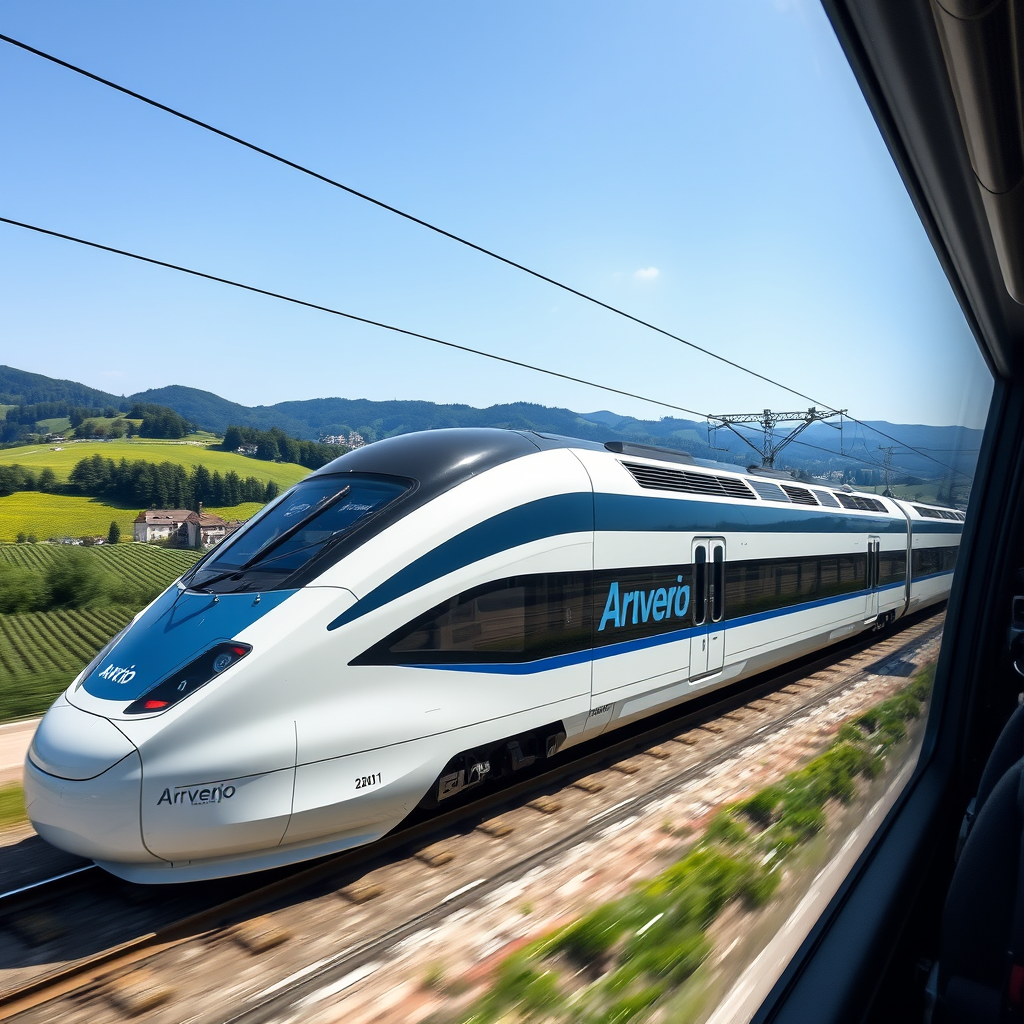
This article examines the recent acquisition of Go-Ahead Germany by Österreichische Bundesbahnen (ÖBB) (Austrian Federal Railways), its subsequent rebranding as Arverio, and the strategic implications for the Austrian railway operator’s expansion into the Southern German market. The acquisition marks a significant step for ÖBB, providing a foothold in a substantial and competitive regional passenger rail market. We will explore the rationale behind ÖBB’s acquisition, the rebranding process, the operational continuity ensured for passengers, and the broader implications for the future of rail services in Southern Germany. The analysis will also briefly touch upon the wider context of technological advancements in railway operations, specifically centralized train control systems and sustainable practices like heat recycling HVAC systems, although these are not central to the core narrative of the acquisition and rebranding. The integration of these elements aims to offer a more complete picture of the evolving landscape of the regional rail sector.
The Acquisition and its Strategic Rationale
ÖBB’s acquisition of Go-Ahead Germany represents a strategic move to gain a significant market presence in the lucrative Southern German regional rail market. This region boasts a high population density and robust commuter traffic, making it an attractive target for expansion. The acquisition bypasses the complexities and potentially lengthy process of establishing a new rail operation from scratch, providing immediate access to existing infrastructure, rolling stock, personnel, and operational expertise. Go-Ahead’s established network and customer base provide a solid foundation for ÖBB’s growth strategy, minimizing initial investment risk and accelerating market penetration. The deal highlights ÖBB’s ambition to expand beyond its domestic market and establish itself as a major player in the wider European rail landscape.
The Rebranding as Arverio
The rebranding of Go-Ahead Germany to Arverio signifies a clear break from the past and a commitment to establishing a distinct brand identity under ÖBB’s ownership. The new name, Arverio, likely aims to project a modern and forward-looking image, dissociating itself from the previous brand while retaining familiarity through the continued use of the existing color scheme and livery. This strategic approach minimizes disruption to passengers and maintains brand recognition while signaling a new era for the company. The rebranding process, expected to be completed by early 2025, involves a comprehensive overhaul of all company materials and branding elements. This highlights the significant investment ÖBB is making to fully integrate the acquired company into its operations.
Operational Continuity and Future Investments
ÖBB has emphasized the importance of maintaining operational continuity following the acquisition. The company will continue to provide regional passenger rail services in Bavaria and Baden-Württemberg through its subsidiaries, Arverio Baden-Württemberg and Arverio Bayern. The retention of existing staff and operational procedures ensures a smooth transition for both passengers and employees. Furthermore, ÖBB has pledged to continue investing in the Southern German market, signaling a long-term commitment to expanding its services and improving its offerings. This investment strategy demonstrates confidence in the market’s potential and signifies ÖBB’s intentions to become a significant player in the region.
Technological Advancements and Sustainability in the Rail Sector
While not the central focus of this acquisition, it’s important to note the broader context of technological advancements and sustainability initiatives within the railway industry. The brief mention of centralized train control systems and heat recycling HVAC systems highlights the increasing importance of technological innovation and environmental responsibility in modern rail operations. Centralized train control systems (CTC) enhance operational efficiency and safety, while sustainable technologies like heat recycling HVAC systems reduce energy consumption and environmental impact. Arverio’s integration of these technologies into its operations will likely be a key aspect of its future development, reflecting wider industry trends towards efficiency and sustainability.
Conclusions
The acquisition of Go-Ahead Germany by ÖBB and its subsequent rebranding as Arverio represents a significant strategic move for the Austrian railway operator. This acquisition provides ÖBB with a direct entry point into the competitive Southern German regional rail market, leveraging an established operational infrastructure and customer base. The rebranding to Arverio signifies a commitment to a new era while ensuring operational continuity through the retention of the familiar livery and color scheme. ÖBB’s commitment to continued investment in the region underscores its long-term vision and ambitions for growth in the Southern German market. The successful integration of Arverio into ÖBB’s operations will likely depend on effective management of the rebranding process, seamless integration of personnel and systems, and a continued focus on operational efficiency and customer satisfaction. The broader context of technological advancements and sustainable practices within the rail industry will play a vital role in Arverio’s future competitiveness and long-term success. The future success of Arverio will ultimately be determined by its ability to adapt to market demands, leverage technological innovation, and consistently provide reliable and customer-centric regional rail services. The integration of sustainable practices and cutting-edge technologies such as centralized train control systems and heat recycling HVAC systems will be crucial for maintaining competitiveness and environmental responsibility in the years to come. This strategic move by ÖBB is a clear indication of the evolving dynamics within the European rail sector and highlights the increasing importance of cross-border expansion and strategic acquisitions in achieving market leadership.
RELATED POSTS
July 9, 2025 2:34 pm
Keolis acquires full ownership of Keolis Downer, boosting Australian railway...

February 2, 2020 6:32 pm
This article explores the recent refurbishment and reintroduction of Class...
October 14, 2021 5:04 am
This article examines the strategic acquisition of Sqills, a Netherlands-based...

October 16, 2015 8:44 pm
Société d’Exploitation du Transgabonais (Setrag), the state railway of Gabon,...
August 7, 2019 6:02 am
This article examines the significant contracts awarded to Siemens Mobility...
September 19, 2025 12:55 am
“`html Introduction Washington State regulators approved $25,000 in funding from...