
NZ Level Crossings: Motorist Safety & KiwiRail Study Findings
A recent KiwiRail study reveals nearly half of New Zealand motorists don’t obey Stop/Give Way signs at level crossings. Prioritize safety: learn the facts.
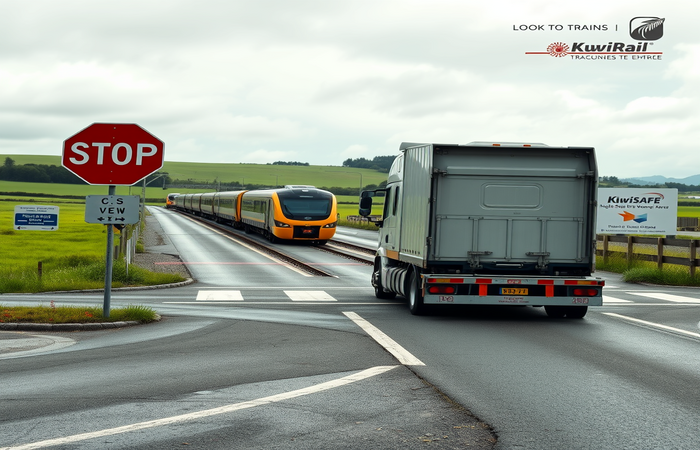
In a concerning development for railway safety, a recent study commissioned by KiwiRail highlights a significant issue regarding motorist behavior at level crossings across New Zealand. The research, conducted in support of International Level Crossing Awareness Day (June 5th), reveals that nearly half of all motorists are not consistently adhering to Stop or Give Way signs at these critical intersections. This alarming statistic underscores the need for increased awareness and improved safety measures to prevent collisions and ensure the well-being of both road users and rail personnel. The findings prompt a reevaluation of current safety protocols and signal the urgency of reinforcing safe driving practices at level crossings.
Understanding the Scope of the Problem
The study, carried out by engineering and professional services firm WSP on behalf of KiwiRail, meticulously monitored motorist behavior at various level crossings. The primary objective was to identify potential low-cost enhancements to existing signage, particularly at crossings with Stop or Give Way signs, and those with short distances between the track and a state highway. The data, derived from observations of over 3,600 drivers, revealed a troubling non-compliance rate: 47% of motorists failed to stop at crossings equipped with Stop or Give Way signs. This figure is particularly concerning when contrasted with historical data. Prior research indicated that over half of the fatalities resulting from serious level crossing collisions over a decade occurred at crossings governed by Stop or Give Way signs. This data points to a clear need to address driver behavior and improve the overall safety infrastructure at these potentially hazardous locations.
Analyzing the Impact of Signage and Vehicle Types
The research delved into the effectiveness of different signage types. It found that the presence of “Look for Trains” signs correlated with a higher percentage of motorists stopping at level crossings, even though these signs are not mandated at all crossings under current guidelines. Additionally, the study showed that motorists were less likely to exhibit safe behavior when only Give Way signs were in place, highlighting the importance of employing Stop signs where possible. A notable disparity was observed across different vehicle types. Stopping compliance was significantly higher for truck and trailer vehicles (66.7%) compared to cars (35.4%). This variance could be attributed to several factors, including the increased awareness of professional drivers or the larger size of trucks, which necessitates more cautious driving. These findings provide valuable insights for implementing targeted safety improvements and tailoring messaging to different road user groups.
Implementing Safer Practices and Recommendations
The study’s recommendations focused on enhancing safety through several practical measures. The primary suggestion was to prioritize the use of Stop signs over Give Way signs to improve driver compliance. Additionally, the data suggests that enhancing visibility, such as the strategic placement of “Look for Trains” signs, could also positively impact driver behavior. Megan Drayton, Manager of TrackSAFE, emphasized that individual behavior is paramount to safety around railway tracks. While the research presents concerning findings, it is important to acknowledge that there has been an improvement in the number of incidents at level crossings in 2024 compared to the previous year. There were eight collisions at level crossings last year, compared with 17 the year before. This improvement may be attributed to heightened awareness campaigns, infrastructure upgrades, or a combination of factors.
Conclusion and Moving Forward
The findings of KiwiRail’s recent study paint a picture of the ongoing challenges facing level crossing safety in New Zealand. The concerning non-compliance rate of motorists at Stop or Give Way signs, the impact of signage variations, and the disparities observed across different vehicle types, all highlight the complex nature of the problem. While a reduction in level crossing incidents has been observed recently, it is essential to acknowledge that the majority of collisions still occur at crossings equipped with advanced warning systems. This underlines the critical need to prioritize driver education and safe behavior alongside infrastructure improvements. The recommendations stemming from the study, specifically the emphasis on Stop signs, the strategic deployment of “Look for Trains” signage, and targeted road safety initiatives, offer a practical roadmap for improving safety.
The ongoing efforts of KiwiRail, TrackSAFE, and other stakeholders are critical. Drivers must take responsibility for their actions, and the rail industry must continue to enhance infrastructure and provide training. By combining these efforts, New Zealand can strive to reduce the number of accidents at level crossings and protect the lives of all those who use the railways and roadways. The findings of this study are a call to action, urging stakeholders to work collaboratively to create a safer environment for everyone.
Summary of Companies:
- KiwiRail: The primary operator of the rail network in New Zealand, responsible for commissioning the study and implementing safety measures.
- WSP: An engineering and professional services firm that conducted the research on behalf of KiwiRail, responsible for monitoring motorist behavior at railway level crossings.
- TrackSAFE: An organization focused on promoting rail safety, which is involved in incident analysis and awareness campaigns.

Transport and railway industry editor covering global rail infrastructure, sustainable mobility, urban transit systems and next-generation railway technologies with a focus on accessible and industry-focused reporting.
RELATED POSTS
June 2, 2026 8:44 am
⚡ In Brief: The UK Office of Rail and Road...

June 1, 2026 9:19 pm
300 IBEW signal workers initiated a strike against Canadian Pacific...
June 2, 2026 10:31 am
⚡ In Brief: The UK’s Office of Rail and Road...
June 2, 2026 11:37 am
⚡ In Brief: The UK’s Office of Rail and Road...
June 4, 2026 6:22 pm
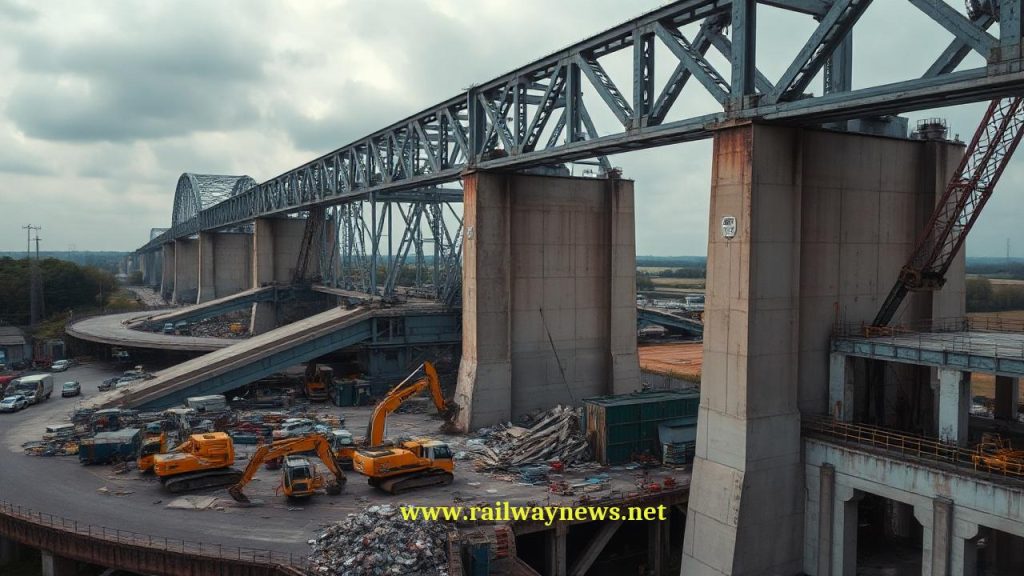
Network Rail and HS2 demolishes two strategic rail bridges, Saltley...
June 1, 2026 9:25 am
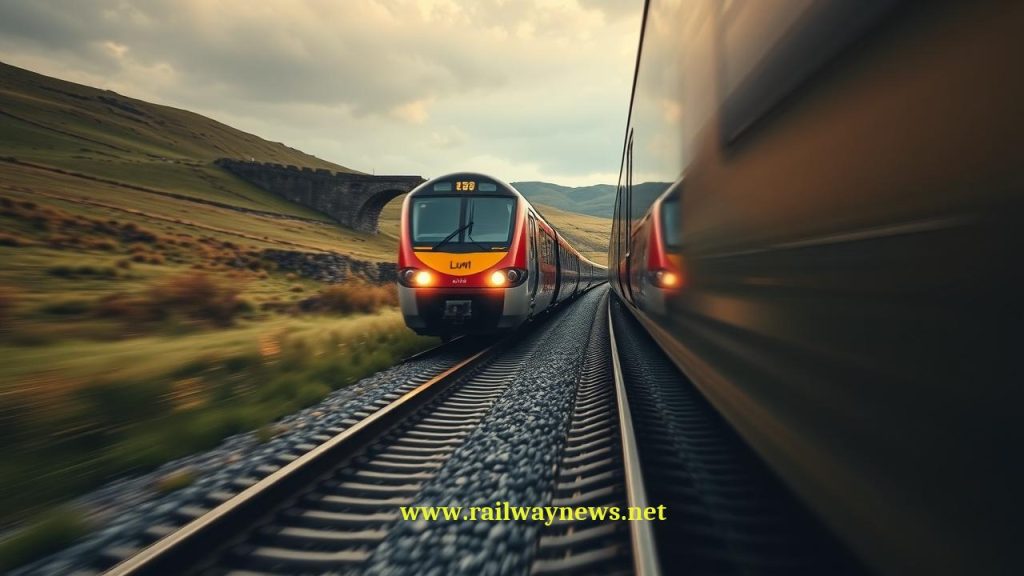
Lumo launched its new Stirling-London Euston West Coast Main Line...