
Northlander: Boosting Northern Ontario Rail Infrastructure
Timmins-Porcupine Station construction begins, boosting Northern Ontario rail connectivity. New station and track upgrades aim to improve service & economic resilience.
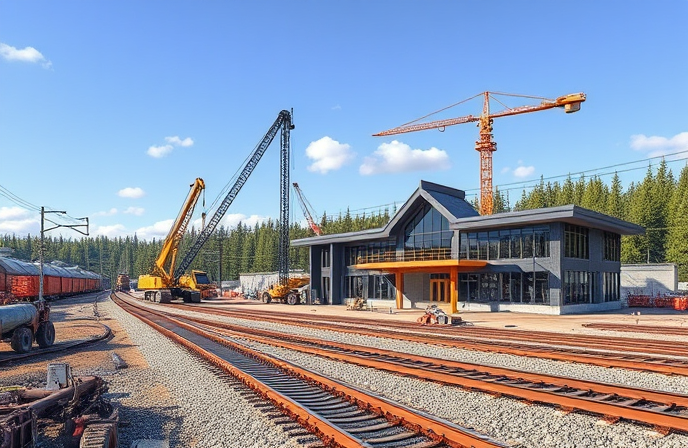
Construction Commences on Timmins-Porcupine Station: Boosting Northern Ontario Connectivity
Construction has officially begun on the Timmins-Porcupine Station, the northern terminus for the Northlander passenger rail service, as of July 17, 2025. This project, awarded to EllisDon by the Ontario government, marks a significant step towards revitalizing rail transport in Northern Ontario. The Northlander service will link Timmins to Toronto, offering crucial transportation links for residents, supporting industries, and promoting tourism. This initiative addresses the need for enhanced regional connectivity while fostering economic resilience in the face of external economic uncertainties. This article will explore the details of the station’s construction, the planned upgrades to the Northlander route, and the wider implications for the region’s economic development and railway infrastructure.
Modern Station Amenities: Enhancing the Passenger Experience
The Timmins-Porcupine Station is designed to be a modern, accessible, and passenger-friendly facility. The plans include accessible washrooms, various seating options, and a dedicated ticket counter to streamline the travel experience. Outdoor amenities will comprise an accessible platform, motor coach bays, pedestrian walkways, and provisions for taxi services, along with designated areas for passenger drop-offs and pick-ups. Early construction activities focus on developing the platform, parking facilities, and a waiting area, ensuring passengers have a comfortable and convenient experience from the outset. These features underscore the commitment to providing a seamless transition for passengers and enhancing the overall appeal of rail travel in the region.
Track Upgrades: Improving Speed and Reliability
Beyond the station itself, significant infrastructure improvements are underway along the Northlander corridor. These modifications will involve adjustments to the track, including curve modifications, aimed at enabling higher operational speeds and reducing disruptions. This crucial element of the project underlines a focus on maximizing efficiency. This will reduce travel times and enhance the reliability of the Northlander service. These track upgrades are integral to the overall efficiency and appeal of the Northlander service. In addition to the existing track updates, the Ontario government previously awarded a contract for platform refurbishments and shelter installations at several stations along the corridor, including Cochrane, Englehart, and North Bay. These upgrades will improve accessibility, lighting, and signage for passengers.
Economic and Social Impact: Connecting Communities and Industries
The Northlander service is poised to have a significant impact on both economic growth and social well-being in Northern Ontario. With the service running up to seven days a week to accommodate seasonal travel patterns, the Northlander will provide 16 stops in each direction, including a rail link to Cochrane. The ability to reach jobs, healthcare, and educational facilities will benefit residents. Ontario Northland CEO Chad Evans highlighted the transformative potential of the Northlander, stating it will “fundamentally shift how people move across the province, creating more connections to the province’s integrated transportation network.” The service will support tourism and provide improved access to essential services, further strengthening ties between the north and south of Ontario.
Strategic Intelligence: Strengthening Economic Resilience
The Ontario government views the Northlander project as a crucial element in its strategy to protect the province from economic uncertainties. Minister of Transportation Prabmeet Sarkaria emphasized that the initiative is part of the plan to support northern industries and the resource sector and bolster economic growth. With the focus on regional development and infrastructure investments, the Northlander project contributes to building a more resilient and adaptable economic future for Ontario. The strategic importance of this project underscores its role in promoting long-term economic stability, along with its commitment to improving rail service across Ontario.
Conclusion
The commencement of construction on the Timmins-Porcupine Station marks a pivotal moment in the revitalization of passenger rail services in Northern Ontario. This project, alongside the planned track upgrades, embodies a strategic investment in the region’s infrastructure and economic future. The Northlander service promises to improve regional connectivity, stimulate economic growth, and bolster community well-being. The modern station amenities and the enhanced travel experience are set to attract both regular commuters and tourists. The project’s success will likely influence other infrastructure projects across the country, especially those seeking to balance economic growth with environmental sustainability. With its multifaceted approach, the Northlander project reflects a broader commitment to enhancing regional transportation and fostering a more connected and resilient future for Ontario’s railway sector.
RELATED POSTS
March 12, 2025 7:46 am
This article examines the significant modernization project undertaken by Alstom...

June 25, 2015 9:00 pm
Alstom and the Franche-Comté region have inaugurated the first Régiolis...

December 31, 2021 5:59 pm
This article explores the successful deployment of Alstom’s Citadis X05...

The Medellín Metro was inaugurated in year 1995 as the...

October 1, 2025 11:54 am
Beira Alta Line modernization is complete! Infraestruturas de Portugal reopens...
June 5, 2025 4:00 pm
Alstom's securing a £50 million contract to refurbish and maintain...