
Stockholm Metro’s C20 Refurbishment: A $135M Success Story
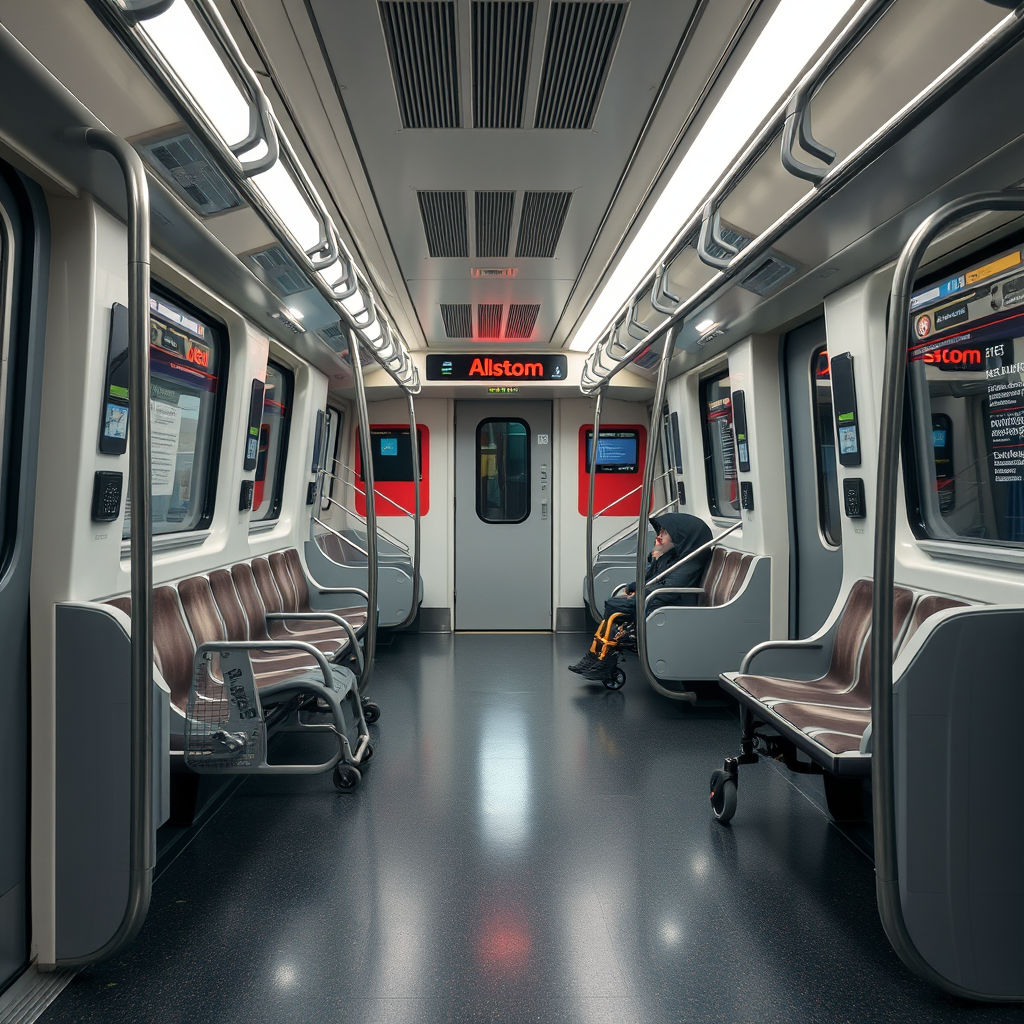
This article examines the significant modernization project undertaken by Alstom on the Stockholm metro’s C20 fleet. The project, completed after six years and a substantial investment of Skr1.4bn ($135m), showcases a compelling alternative to outright vehicle replacement, highlighting the cost-effectiveness and sustainability benefits of refurbishment for aging rolling stock. We will delve into the specifics of the upgrades implemented, the logistical challenges overcome, the economic and environmental impacts, and the broader implications for the future of metro system maintenance and expansion. The case study of the Stockholm metro’s C20 refurbishment provides a valuable lens through which to examine best practices in rolling stock lifecycle management and the potential of strategic modernization initiatives in enhancing the efficiency and sustainability of urban rail transit systems. This analysis will explore the technical innovations, economic considerations, and sustainability aspects of this major undertaking.
Modernization Scope and Technical Upgrades
Alstom’s modernization of the 270 C20 metro cars (now designated C20U or C25) involved a comprehensive overhaul. The project encompassed the installation of over 27,000 new seats, 240km of cabling, and significantly enhanced passenger information systems. A key element was the redesign of the interior layout, creating a more open and accessible environment. This included strategically placing seats longitudinally along one side of the carriage to maximize standing capacity while also providing more space for strollers and wheelchairs. Improved safety features were also incorporated, such as an increased number of security cameras for enhanced passenger security. The project leveraged the expertise of 110 fitters, 25 engineers, and various local subcontractors, underscoring the significant employment opportunities generated by such large-scale refurbishment projects.
Economic and Environmental Considerations
The choice to modernize rather than replace the C20 fleet was driven by a strong economic rationale. Refurbishment offered a substantially more cost-effective solution compared to purchasing new vehicles, representing significant savings for the Stockholm metro. Beyond the economic benefits, the project also prioritized environmental sustainability. Alstom emphasized the reuse of materials wherever possible, minimizing waste and reducing the environmental impact associated with the refurbishment process. This commitment to sustainability not only lowered the project’s overall cost but also aligns with broader efforts toward environmentally responsible practices within the rail industry. The project demonstrates the potential for substantial cost savings and reduced environmental footprint when strategically modernizing existing rolling stock.
Logistical Challenges and Project Management
A project of this scale presented significant logistical challenges. The six-year timeframe required meticulous planning and execution, involving the careful coordination of resources, personnel, and subcontractors. Managing the flow of materials, ensuring timely completion of each car’s refurbishment, and maintaining the operational efficiency of the Stockholm metro throughout the project demanded effective project management practices. The successful completion of the project underscores Alstom’s ability to manage complex, large-scale modernization projects within challenging operational environments.
International Collaboration and Expertise
The project highlighted Alstom’s international expertise and collaborative capabilities. The Västerås workshop played a central role, showcasing Alstom’s technical proficiency in rolling stock modernization on a global stage. The involvement of numerous local subcontractors also fostered economic growth within the local community. The project’s success serves as a testament to the effectiveness of combining international expertise with local partnerships in undertaking complex infrastructure upgrades.
Conclusions
The Alstom modernization of the Stockholm metro’s C20 fleet stands as a compelling example of a successful large-scale rolling stock refurbishment project. The project’s success can be attributed to several key factors: a strategic decision to modernize instead of replace, meticulous project management, a focus on sustainability through material reuse, and effective collaboration between Alstom’s international expertise and local subcontractors. The Skr1.4bn ($135m) investment resulted in a significantly upgraded fleet, enhancing passenger experience through improved safety, accessibility, and comfort. The modernized C20U/C25 cars boast increased capacity and a more modern, open interior layout. Beyond the immediate benefits to the Stockholm metro, the project showcases the viability and economic advantages of rolling stock modernization as an alternative to new vehicle procurement. It also highlights the potential for creating local employment opportunities and fostering sustainable practices within the rail industry. This successful case study provides valuable insights for other transit agencies considering similar modernization projects, demonstrating how strategic investments in refurbishment can contribute to long-term cost savings, improved operational efficiency, and enhanced environmental sustainability within urban rail networks. The project’s success demonstrates the long-term benefits of strategically modernizing existing assets, offering a sustainable and economically viable alternative to complete fleet replacement. The case study emphasizes the importance of a holistic approach, integrating technical expertise, efficient project management, and a commitment to environmental sustainability for successful large-scale infrastructure projects.
RELATED POSTS

December 25, 2021 5:35 am
This article examines the recent completion of a significant track...
April 20, 2023 1:57 am
This article examines the significant implications of the finalized merger...
July 9, 2020 8:01 am
Mobile Ticketing Revolutionizes Commuter Experience on Govia Thameslink Railway The...
September 5, 2017 5:05 pm
Optimize port-rail shuttles for maximum efficiency and sustainability. Discover...
December 2, 2022 8:05 pm
This article explores the successful trial run of the Jakarta-Bandung...
December 5, 2020 11:36 pm
High-Speed Rail Development in Spain: A Case Study of the...