
Jeddah Airport APM Upgrade: Alstom’s Vision 2030 Solution
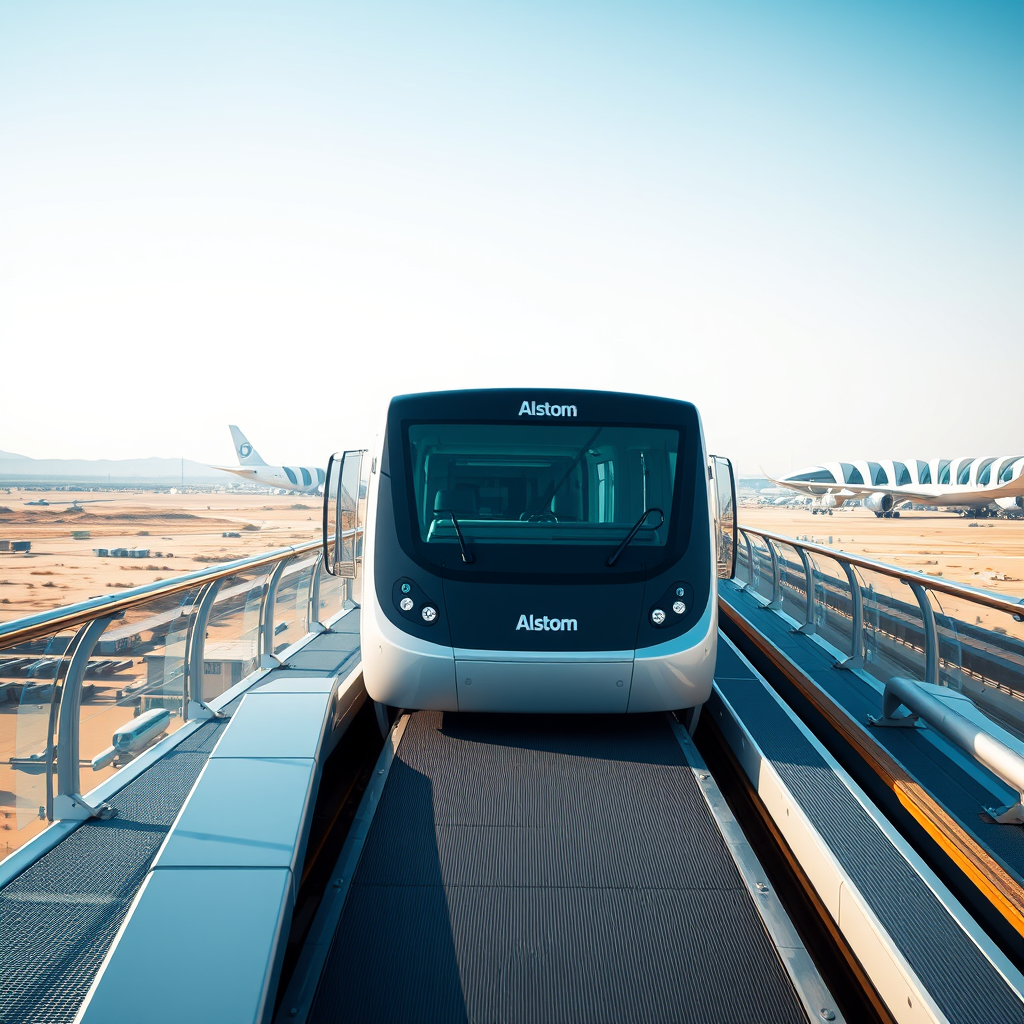
This article examines the significant upgrade project undertaken by Alstom for the automated people mover (APM) system at King Abdulaziz International Airport (KAIA) in Jeddah, Saudi Arabia. This project highlights the crucial role of advanced transit technologies in supporting the ambitious expansion plans of major international airports. The upgrade, encompassing a comprehensive overhaul of existing infrastructure and the addition of new rolling stock, showcases the ongoing evolution of APM systems to meet the demands of increasingly high passenger volumes. We will explore the technical aspects of the upgrade, its implications for airport operations, and its broader context within Alstom’s strategic goals and the Saudi Vision 2030 initiative. The analysis will delve into the specific enhancements implemented, the challenges overcome, and the long-term benefits for both the airport and Alstom.
Alstom’s Jeddah Airport APM System Upgrade: Enhancing Capacity and Efficiency
Alstom, a leading provider of rail transportation solutions, has secured a contract to significantly upgrade the Innovia APM system at KAIA’s Terminal 1. This project directly addresses the airport’s ambitious goal of handling 114 million passengers annually by 2030, a substantial increase from its current capacity. The core of the upgrade involves a 90% capacity boost achieved through the addition of four new APM vehicles to the existing fleet of ten. This expansion is not merely quantitative; it is designed to improve operational efficiency and the overall passenger experience.
Technological Advancements and System Enhancements
The upgrade extends far beyond simply adding new vehicles. Alstom’s scope includes a complete system overhaul, focusing on several key areas. A new state-of-the-art operation control center will provide enhanced monitoring and management capabilities. Significant improvements to the signaling, communication, and cybersecurity systems will ensure the reliability and safety of the upgraded system. The installation of platform screen doors (PSD) will enhance passenger safety and security by preventing falls onto the tracks. Finally, all existing cars are being retrofitted with new motion recording video systems for improved security and operational analysis.
Strategic Alignment with Saudi Vision 2030 and Alstom’s Global Strategy
This project aligns perfectly with Saudi Arabia’s Vision 2030, a national transformation program aiming to diversify the economy and improve infrastructure. The upgrade to KAIA’s APM system is a critical component of enhancing the airport’s capacity to handle increased passenger traffic, a key element of the Vision 2030 goals. For Alstom, this project reinforces its commitment to the Middle East market and builds upon its existing presence in the region, exemplified by its involvement in projects like the introduction of Saudi Arabia’s first hydrogen-powered train and the ongoing maintenance of APM systems at other major airports, such as Dubai International Airport. The contract also showcases Alstom’s expertise in modernizing and upgrading legacy Bombardier Innovia APM systems, as seen in their work at Dallas Fort Worth International Airport.
Long-Term Implications and Future Outlook
The successful completion of this project will have significant long-term implications for KAIA. The enhanced capacity and improved operational efficiency will directly contribute to the airport’s ability to meet the anticipated growth in passenger numbers. The technological advancements implemented, particularly in signaling, communication, and cybersecurity, will ensure the system’s reliability and resilience for years to come. The upgrade also provides a valuable case study for other airports facing similar challenges of expansion and modernization. For Alstom, this project solidifies its position as a leading provider of APM systems and reinforces its reputation for delivering innovative and reliable solutions to its clients globally. The success in Jeddah, coupled with other major projects, further establishes Alstom’s commitment to sustainable transportation solutions and their vital role in supporting the growth of key infrastructure around the world.
Conclusion
Alstom’s upgrade of the automated people mover system at King Abdulaziz International Airport in Jeddah represents a significant investment in improving airport infrastructure and supporting Saudi Arabia’s Vision 2030 goals. The 90% capacity increase, achieved through the addition of new vehicles and a comprehensive system overhaul, directly addresses the airport’s ambitious passenger growth targets. The project showcases Alstom’s expertise in providing cutting-edge APM technology and its commitment to long-term partnerships. The integration of advanced features like a new operation control room, improved signaling and communication systems, platform screen doors (PSDs), and enhanced cybersecurity measures not only boost efficiency but also enhance passenger safety and security. Furthermore, this project aligns with Alstom’s broader strategic goals of expanding its presence in the Middle East and modernizing existing APM systems globally. The success of this upgrade at KAIA serves as a compelling example of how technological advancements in rail transit can effectively address the challenges of rapidly expanding transportation needs in major international airports, setting a benchmark for future APM system developments and modernization efforts worldwide. The project’s long-term impact will undoubtedly be felt by both the airport’s stakeholders and passengers, underscoring the transformative potential of strategically planned infrastructure improvements in driving economic growth and enhancing passenger experience.
RELATED POSTS

February 8, 2025 6:04 am
This article explores the significant modernization underway on the Sihltal...

July 3, 2019 10:21 pm
This article delves into the significant investment in the Sydney...
January 29, 2023 5:53 pm
The burgeoning e-commerce sector and the pressing need for sustainable...
July 7, 2021 5:35 pm
The Revolutionizing Potential of the UK Rail Data Marketplace The...
January 7, 2017 1:15 pm
**Voiceover Excerpt:**"Los Angeles Metro's Purple Line Extension Phase 1 is...

July 12, 2011 6:40 pm
Peruvian private investment agency ProInversión is expected to award a...