
SZU_4.0: Zurich Rail’s Modernization
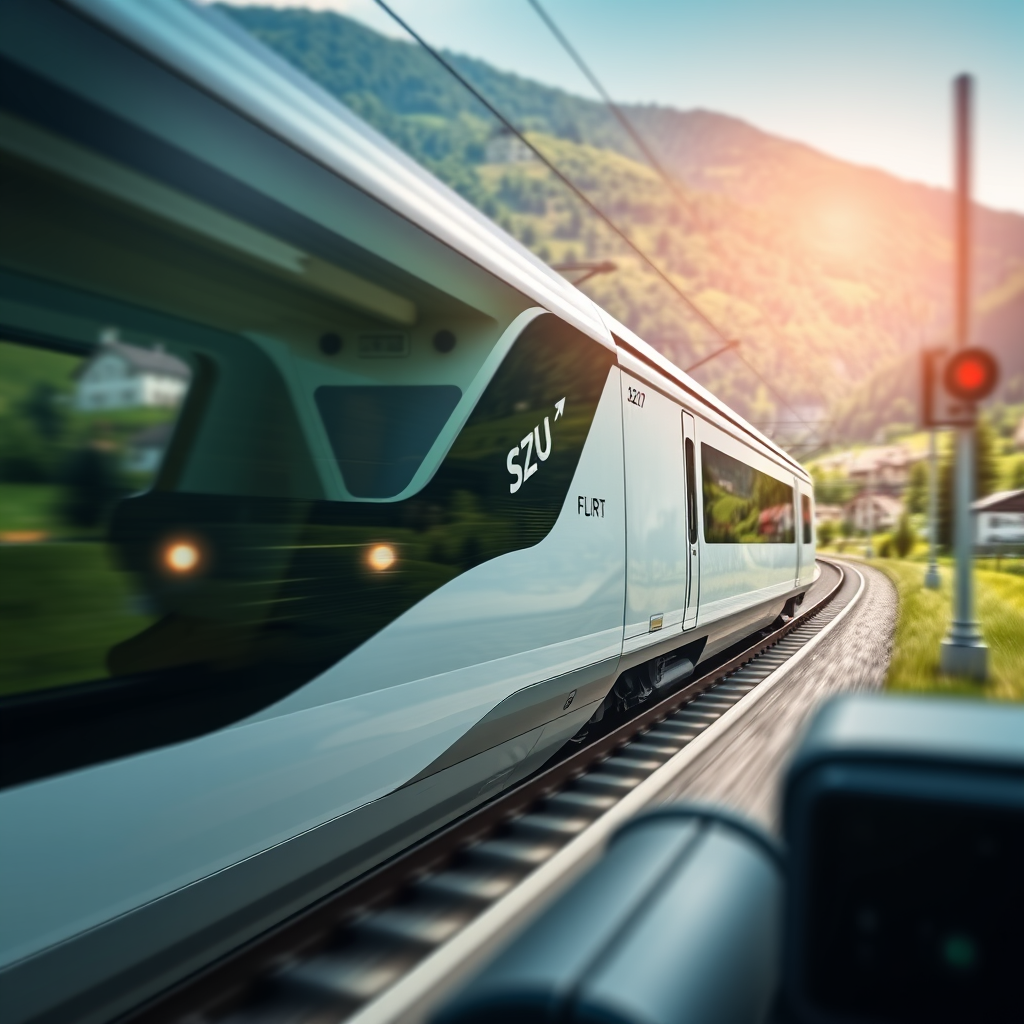
This article explores the significant modernization underway on the Sihltal Zürich Uetliberg Bahn (SZU) railway network in Switzerland, focusing on the crucial role of upgraded signaling systems in achieving enhanced operational efficiency and passenger experience. The SZU_4.0 modernization strategy, a multi-faceted initiative encompassing infrastructure improvements and rolling stock replacements, is the driving force behind these changes. This comprehensive overhaul aims to improve punctuality, increase capacity, and ultimately, elevate the overall quality of rail service for commuters in the Zurich metropolitan area. The project highlights the growing trend of integrating advanced technologies, such as Intelligent Transportation Systems (ITS), into railway operations to improve safety, efficiency, and passenger satisfaction. The collaboration between SZU and Stadler Signalling, a leading provider of railway signaling solutions, exemplifies a strategic partnership crucial for the successful implementation of such large-scale modernization projects. We will examine the technological advancements, financial investments, and long-term strategic goals underpinning this transformative undertaking.
The SZU_4.0 Modernization Strategy
The Sihltal Zürich Uetliberg Bahn (SZU) has embarked on an ambitious modernization program, SZU_4.0, representing a substantial investment in infrastructure and rolling stock. This program is not merely about replacing aging equipment but about fundamentally improving the efficiency and passenger experience of the entire railway network. The core of this strategy involves the implementation of a new signaling system, which is essential for achieving higher operational speeds and increased train frequency, especially during peak hours. This updated system will allow SZU to run trains more frequently and reliably, significantly increasing the network’s capacity to meet the growing demands of its ridership.
Upgrading Signaling Systems with Stadler Signalling
Stadler Signalling, a recognized leader in the field, has been contracted to design, install, and commission the new signaling system for SZU. This CHF 34 million (approximately $39 million USD) contract represents a significant commitment from both parties. The project scope encompasses the complete replacement of existing signal boxes and control systems with state-of-the-art technology. The adoption of the ‘Eurolocking’ system, boasting a SIL4 (Safety Integrity Level 4) certification, ensures the highest safety standards are met. This certification signifies that the system’s design and implementation minimize the risk of hazardous failures, a crucial aspect in modern railway operations.
Increased Capacity and Service Frequency
A direct outcome of the upgraded signaling system is the planned increase in service frequency. SZU intends to introduce a 7.5-minute service during peak hours on sections of the S4 and S10 lines. This significant improvement in service frequency will substantially boost the network’s capacity, reducing overcrowding and providing more travel options for commuters. This increased capacity is directly linked to the modernized signaling system’s ability to manage a higher density of trains safely and efficiently. The improved reliability offered by the new technology also minimizes delays and disruptions, leading to a more predictable and dependable service for passengers.
New Rolling Stock: FLIRT Trains
The modernization extends beyond signaling, encompassing the introduction of 17 new Stadler FLIRT (Fast Light Intercity and Regional Train) single-deck S-Bahn multiple-unit trains. These CHF 160 million (approximately $184.8 million USD) vehicles, with an option for 10 more, replace aging double-decker trains on the Sihltalbahn S4 line. Each FLIRT features six low-floor entrances, increasing accessibility and improving boarding and alighting times. With a seating capacity of 140 and standing room for 265 passengers, these trains are designed to accommodate the increased ridership facilitated by the improved service frequency and overall network efficiency. The introduction of these new trains further enhances the passenger experience with modern amenities and improved comfort.
Conclusion
The SZU_4.0 modernization project, particularly the signaling system upgrade by Stadler Signalling, represents a significant investment in the future of rail transport in the Zurich area. The CHF 800 million (approximately $924 million USD) investment demonstrates a clear commitment to improving rail infrastructure and providing a superior passenger experience. The implementation of a SIL4 certified ‘Eurolocking’ signaling system is crucial for ensuring safety and enabling higher train frequencies. The introduction of modern FLIRT trains further enhances passenger comfort and capacity. The successful execution of SZU_4.0 will not only increase capacity and frequency, but it will also significantly enhance punctuality and reliability, contributing to a more efficient and appealing public transportation option. The long-term partnership between SZU and Stadler Signalling underlines the importance of collaborative efforts in driving advancements in railway technology and infrastructure. This project serves as a model for other railway networks seeking to modernize their infrastructure to meet the growing demands of a modern, interconnected world. The modernization is not just about replacing old equipment; it’s about creating a more sustainable, efficient, and passenger-focused railway system, setting a benchmark for future railway modernization projects worldwide. The increased capacity, improved punctuality, and enhanced passenger experience offered by the new signaling system and rolling stock will greatly benefit the Zurich region’s commuters and further solidify the role of rail transport as a crucial mode of transportation within the metropolitan area.
RELATED POSTS

December 20, 2018 6:48 pm
Škoda ForCity Classic trams: 14 state-of-the-art trams delivered to...
June 16, 2024 1:01 pm
The Human Element: Cultivating the Future of Rail The railway...

November 5, 2009 12:54 pm
Thailand’s Transportation Ministry is preparing a 20-year plan to upgrade...
September 6, 2025 11:12 pm
GB Railfreight celebrates 150 years of Settle-Carlisle rail freight, naming...
February 14, 2023 1:17 am
This article examines the significant investment in Southern California’s Metrolink...
February 21, 2025 4:05 pm
Introduction The railway industry is undergoing a significant transformation driven...