
India’s Railway Revolution: $9.6B Budget & Modernization

Introduction
This article analyzes the significant budgetary allocation to Indian Railways (IR) in the fiscal year, highlighting its implications for infrastructure development and modernization. The substantial increase in funding compared to the previous year signifies a considerable commitment to upgrading the nation’s railway network. This analysis will delve into the specific areas of investment, the strategic rationale behind the increased spending, the planned use of public-private partnerships (PPPs), and the long-term vision for the Indian Railways infrastructure. We will explore the challenges and opportunities presented by this substantial investment, examining the potential for improved passenger experiences, enhanced freight capacity, and the overall contribution to India’s economic growth. The focus will be on the technical aspects of the projects, highlighting the modernization efforts and their impact on operational efficiency and safety.
Capital Expenditure and Investment Priorities
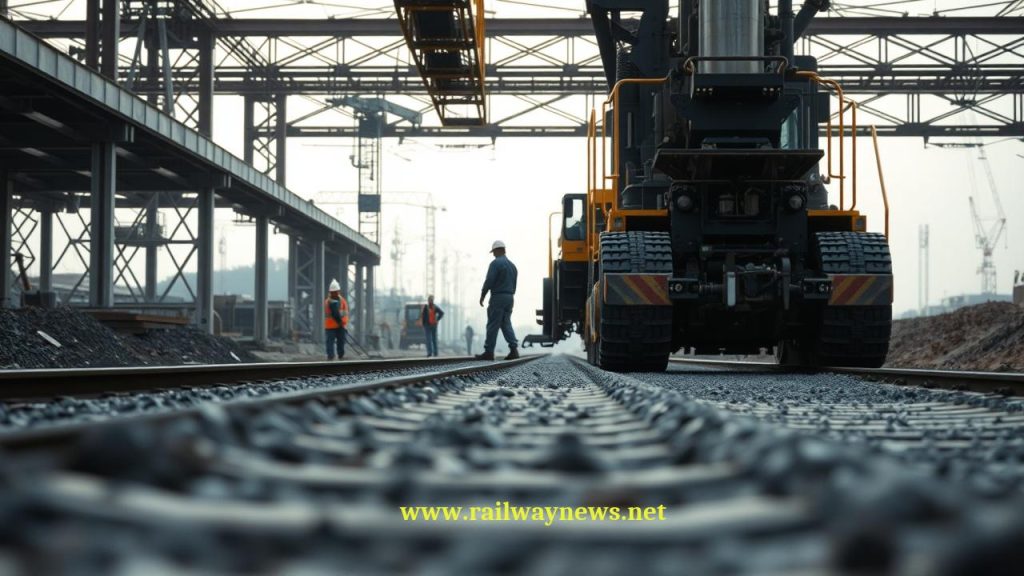
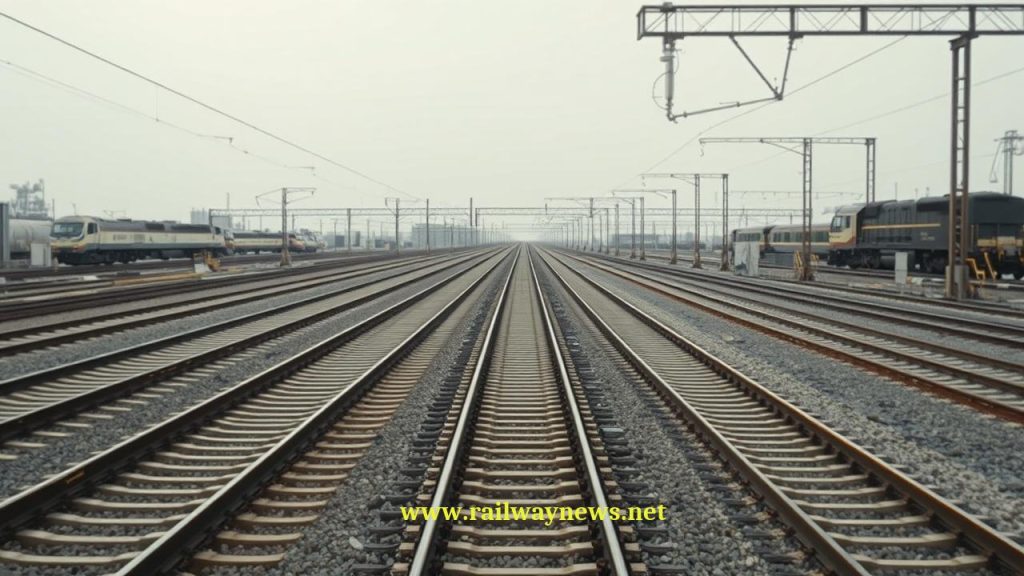
The Indian government allocated a record ₹658.37 billion ($9.62 billion) to Indian Railways in the union budget, a substantial increase from the previous year’s ₹550.88 billion ($8.05 billion). This allocation, part of a larger ₹1.6 trillion ($23.4 billion) capital expenditure outlay for the sector, represents the highest-ever investment in the Indian railway system. The funds are strategically allocated to several key areas. A significant portion is dedicated to the construction of new lines, gauge conversion (changing the width of the track), and track doubling (creating a second track for bidirectional traffic) to increase capacity and network reach. Further investments will focus on procuring and maintaining rolling stock (trains, locomotives, and other railway vehicles), enhancing signaling and telecommunication systems, and improving passenger amenities. This includes an allocation of ₹34.22 billion ($502.84 million) specifically for upgrading passenger facilities.
Modernization and Technological Advancements
The increased budget underscores a commitment to modernizing the railway infrastructure and services. The introduction of modern train sets, such as the Train 18 (a semi-high-speed train), aims to significantly improve passenger comfort and service quality. The large-scale modernization of railway stations is also a key priority, addressing crucial passenger-centric aspects like accessibility, convenience, and overall experience. This modernization strategy goes beyond mere aesthetic improvements, incorporating cutting-edge technologies to enhance operational efficiency, safety and security. Improved signaling and communication systems, for example, will facilitate smoother train operations and better real-time monitoring, contributing to reduced delays and increased safety.
Public-Private Partnerships (PPPs) and Accelerated Development
Recognizing the scale of the infrastructure requirements, the government is actively promoting public-private partnerships (PPPs) to accelerate project completion. The estimated investment needed for railway infrastructure over the next 12 years (2019-2030) is a staggering ₹50 trillion ($730.45 billion). The utilization of PPPs is crucial to leverage private sector expertise and capital to bridge the funding gap and expedite the development of new lines, rolling stock manufacturing, and the delivery of passenger and freight services. This approach aims to significantly reduce project completion times and increase overall efficiency, allowing the Indian Railways to meet its ambitious expansion and modernization goals within a reasonable timeframe.
Conclusion
The substantial budgetary allocation to Indian Railways marks a pivotal moment in the modernization and expansion of the nation’s railway infrastructure. The record investment, focused on new lines, gauge conversion, track doubling, rolling stock procurement, signaling upgrades, and passenger amenities, represents a strategic commitment to enhancing both the operational efficiency and passenger experience. The decision to incorporate Public-Private Partnerships (PPPs) is a crucial element in ensuring the timely execution of these ambitious plans, given the substantial financial requirements. The modernization efforts are not merely about increasing capacity; they incorporate technological advancements in signaling, communication, and rolling stock, thereby improving safety and operational efficiency. This comprehensive approach will not only transform the Indian Railways into a more modern and efficient system but will also have a significant positive impact on India’s economic growth by supporting improved freight transport and providing enhanced connectivity across the country. The long-term vision, encompassing the planned investments and the strategic use of PPPs, is likely to contribute significantly to India’s national development. While challenges remain, including land acquisition and regulatory hurdles, the sheer scale of the investment and the government’s commitment make the success of this ambitious undertaking a realistic and highly anticipated prospect. The long-term effects of this investment will be felt across many sectors of the Indian economy, fostering growth and development for years to come.
RELATED POSTS
April 1, 2026 12:10 pm
Alstom secured a €410 million contract from CFR SA to...

April 1, 2026 8:40 pm
BNSF Railway expands Galesburg, Illinois, yard capacity, with second hump...

April 1, 2026 4:31 pm
Network Rail upgraded Berrylands station platforms for £6 million, replacing...
April 1, 2026 6:21 pm
Federal Transit Administration awarded $20.6 billion in formula-based apportionments to...