
VR’s Swedish Rail Expansion: MTRX Acquisition & Nordic Growth
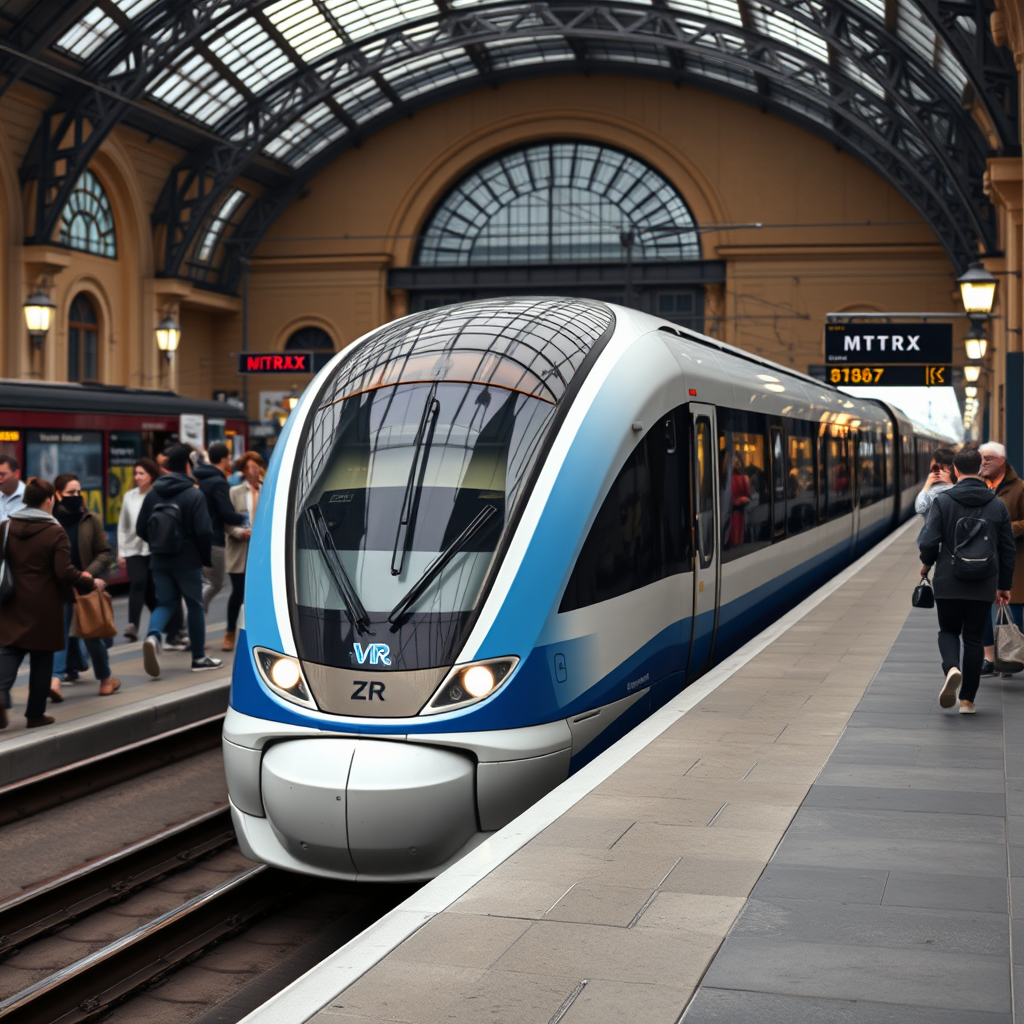
VR Group’s Strategic Expansion into the Swedish Rail Market: A Case Study in International Growth
This article analyzes VR Group’s (VR) acquisition of MTRX, a significant Swedish intercity rail operator, examining the strategic implications of this move for VR’s international expansion and the broader competitive landscape of the Nordic rail industry. The acquisition represents a substantial step for VR, significantly increasing its market share and operational footprint in a larger and more mature market than its domestic Finnish operations. We will explore the rationale behind VR’s decision, the benefits and challenges of operating in the Swedish market, and the potential impact on the future development of both VR and the Swedish rail sector. The analysis will consider factors such as market size, competition, customer experience, and the integration of MTRX’s operations into VR’s existing infrastructure and business model. The ultimate goal is to assess the strategic success of this acquisition and its potential to serve as a model for other railway companies seeking international expansion.
VR Group’s Acquisition of MTRX: A Catalyst for International Growth
VR Group’s acquisition of MTRX provides immediate access to a larger market. The Swedish long-distance rail market is considerably larger than Finland’s, offering significant potential for revenue growth. MTRX’s established network, operating 126 weekly services between Stockholm and Gothenburg, provides a solid foundation for VR’s expansion. Furthermore, the high modal share of rail transport in Sweden, exceeding that of Finland, indicates a robust and receptive market for rail services. The acquisition also provides VR with a valuable opportunity to gain crucial experience in a competitive market, honing its operational skills and strategic decision-making in a larger, more established context. This is particularly relevant as VR anticipates increasing competition within its home market in Finland.
Leveraging MTRX’s Operational Excellence and Brand Reputation
MTRX has cultivated a strong reputation in the Swedish market, particularly for its high-quality customer service. Its consistent recognition in the Swedish Quality Index for passenger experience over eight consecutive years underscores its commitment to operational excellence and customer satisfaction. This established brand equity is a valuable asset for VR, offering a seamless transition for existing MTRX passengers and providing a template for service delivery in the Swedish market. This focus on customer experience aligns with VR’s strategic goals, enabling it to potentially differentiate itself from competitors and capitalize on its superior service quality.
Integration Challenges and Strategic Synergies
Integrating MTRX’s operations into VR’s existing structure presents both challenges and opportunities. The acquisition includes six Stadler FLIRT trains and approximately 130 employees. Successful integration requires careful planning and execution, including harmonizing operational procedures, integrating IT systems, and managing cultural differences. However, there are potential synergies to be gained, such as operational efficiencies through shared resources and expertise. By leveraging MTRX’s existing infrastructure and market knowledge, VR can expedite its market entry and minimize initial operational costs. The acquisition also adds valuable expertise in operating modern, high-speed rolling stock (Stadler FLIRT trains).
Expanding VR’s Presence in the Nordic Region: A Long-Term Strategy
VR Group’s acquisition of MTRX is not an isolated event, but a strategic step in VR’s broader plan to expand its presence in the Nordic region. The acquisition of Arriva Sweden in 2022 further demonstrates this commitment to international expansion. This wider strategy allows VR to diversify its revenue streams, reduce reliance on the Finnish market, and position itself as a major player in the competitive Nordic transportation sector. By leveraging its expertise and resources across different modes of transport – bus, rail, and tram – VR is building a diversified and resilient business model suited to the evolving needs of the Nordic transportation market. This diversified approach mitigates risks associated with reliance on a single mode of transport or a single national market.
Conclusion
VR Group’s acquisition of MTRX represents a significant strategic move, marking a substantial expansion into the larger and more competitive Swedish rail market. The acquisition provides access to a larger market, leverages MTRX’s strong brand reputation and operational excellence, and complements VR’s existing Nordic footprint. While challenges exist in integrating MTRX’s operations, the potential synergies in operational efficiencies, access to new expertise, and the potential to capture a larger market share are significant. The success of this acquisition hinges on effective integration of MTRX’s operations and personnel, and the ability of VR to maintain and enhance the high-quality customer service MTRX is known for. This move demonstrates VR’s ambition to become a leading player in the Nordic rail industry and showcases a strategic approach to international expansion by focusing on a well-established operator with a proven track record of success. The successful integration of MTRX into VR’s broader operations will be a key indicator of the long-term success of this strategic acquisition and a potential model for other railway companies considering international growth. The attention given to passenger experience, a key factor in the success of MTRX, will serve as a template for future VR operations in Sweden and potentially elsewhere. The combined strength of VR and MTRX represents a powerful force within the Nordic rail sector, and its future performance will be closely watched by industry experts and competitors alike.
RELATED POSTS
Union Pacific earned an 80% top Class I railroad intermodal...

March 6, 2026 12:10 pm
Consortium Announces Digital Services Platform for UK Rail Sector A...
March 5, 2026 7:57 pm
Banedanmark launched battery train operations on Denmark's 67 km Skjern–Holstebro...
March 4, 2026 10:12 am
Amtrak and Siemens deploy 8 Airo trains for the U.S....
March 5, 2026 4:23 am
Renfe suspends Spain rail services on Madrid-Andalusia corridor until February...
March 6, 2026 4:07 pm
Digital Subscription Market Analysis Q1 2026 Analytics firm Antenna confirmed...