
Hyundai Rotem’s $1.53B Morocco Rail Deal: A Global Game Changer
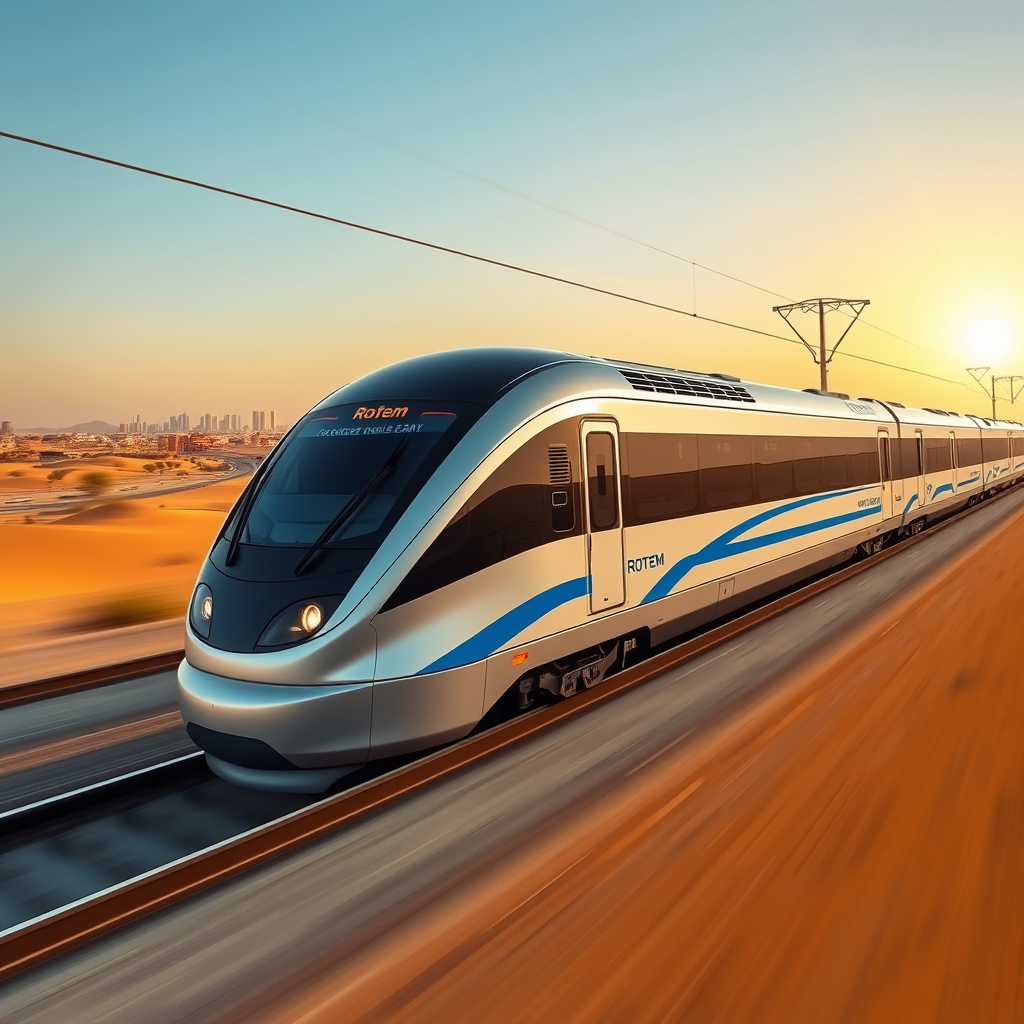
This article delves into the significant contract awarded to Hyundai Rotem by the Office National des Chemins de Fer (ONCF), Morocco’s national railway operator, for the supply of advanced double-decker electric multiple units (EMUs). This $1.53 billion deal represents Hyundai Rotem’s largest single railway supply agreement to date, marking a substantial expansion into the African market and underscoring the growing importance of rail infrastructure development globally. The project, driven in part by Morocco’s preparations for the 2030 FIFA World Cup, involves the delivery of high-speed trains designed to connect Casablanca with other key regions. The contract’s implications extend beyond the immediate financial benefits, influencing technological advancements in the rail industry, fostering international collaborations, and stimulating economic activity within South Korea’s supporting industries. This analysis will explore the strategic significance of this deal, the technological advancements showcased, the economic impact, and the broader implications for international railway development.
Strategic Significance of the Moroccan Contract
The Hyundai Rotem contract signifies a pivotal moment in the company’s global expansion strategy. Securing such a large-scale project in Morocco represents a significant foothold in the African market, building upon existing projects in Tunisia, Tanzania, and Egypt. This strategic move positions Hyundai Rotem as a key player in the continent’s burgeoning rail infrastructure development. The project also highlights the increasing demand for advanced, high-capacity rolling stock globally, driven by factors such as population growth, urbanization, and the need for sustainable transportation solutions. The selection of Hyundai Rotem underlines the company’s competitive edge in terms of technological innovation, cost-effectiveness, and its ability to meet the specific requirements of demanding international markets. Furthermore, the project’s association with the 2030 FIFA World Cup adds a layer of international prestige and visibility to Hyundai Rotem’s capabilities.
Technological Advancements in Double-Decker EMUs
The contract focuses on the delivery of advanced double-decker electric trains capable of reaching speeds up to 160 kph (kilometers per hour). These trains embody cutting-edge technology designed to maximize passenger capacity and operational efficiency. The double-decker design significantly increases passenger-carrying capacity compared to conventional single-decker trains, addressing the growing demand for efficient public transportation. The electric propulsion system contributes to environmental sustainability by reducing reliance on fossil fuels and minimizing emissions. The incorporation of advanced control systems and safety features will ensure reliable and safe operation, contributing to a positive passenger experience. The technology deployed in these EMUs represents a significant step forward in rail technology, showcasing Hyundai Rotem’s expertise in designing and manufacturing high-performance rolling stock.
Economic Impact and Industrial Collaboration
The economic impact of this contract extends beyond Hyundai Rotem itself. The company anticipates that the project will provide substantial support to over 200 small and medium-sized enterprises (SMEs) within Korea’s rail sector, as approximately 90% of the train components will be sourced domestically. This injection of capital into the Korean economy will stimulate job creation, technological advancement, and overall economic growth within the rail supply chain. The collaborative maintenance agreement between Hyundai Rotem and Korea Railroad (KORAIL) further strengthens this economic synergy, facilitating knowledge transfer and ensuring long-term operational support. This illustrates the multiplier effect of large-scale infrastructure projects, highlighting their crucial role in boosting national economies.
International Collaboration and Future Prospects
The project exemplifies successful international collaboration in the rail industry. The partnership between Hyundai Rotem and ONCF demonstrates the potential for mutually beneficial partnerships between international companies and national railway operators. This collaborative approach facilitates the transfer of technology, expertise, and best practices, leading to enhanced railway systems globally. The success of this project will pave the way for future collaborations and potentially influence similar infrastructure developments in other regions. Hyundai Rotem’s experience in delivering high-quality rail solutions to various countries positions the company as a leading player in the global rail market, driving further innovation and international partnerships.
Conclusions
The Hyundai Rotem contract with ONCF for the supply of double-decker electric trains represents a landmark achievement, signifying a major expansion into the African market and highlighting the growing importance of rail infrastructure development globally. This $1.53 billion deal showcases Hyundai Rotem’s technological prowess in developing advanced, high-capacity rolling stock, specifically designed to meet the needs of a modern and efficient railway system. The economic impact extends beyond the immediate financial gains, stimulating growth within South Korea’s rail industry and supporting over 200 SMEs through domestic sourcing of components. The project’s success is a testament to successful international collaboration, demonstrating the potential for mutually beneficial partnerships between global companies and national railway operators. The long-term implications are significant, shaping the future of rail transportation in Morocco and solidifying Hyundai Rotem’s position as a leading player in the global rail market, driving innovation and influencing future infrastructure projects worldwide. The successful execution of this project will serve as a model for future endeavors, emphasizing the crucial role of strategic partnerships and technological advancements in the continuous development and modernization of global rail systems. This deal underscores the growing demand for sustainable and efficient transportation solutions, and the critical role that rail infrastructure plays in supporting economic growth and improving connectivity across nations. The emphasis on technological advancements, economic impact, and international collaboration makes this contract not only a financial success but a significant milestone in the evolution of global railway technology and international cooperation.
RELATED POSTS

September 13, 2025 12:00 pm
Rep. Burlison introduces the Train Crew Choice Act, challenging the...

November 30, 2018 11:11 am
Alstom and Nederlandse Spoorwegen (NS), national railway operator in the...

May 30, 2011 8:52 am
The Saudi Railway Company (SAR) of Saudi Arabia has completed...

November 26, 2015 8:53 pm
Alstom signed an agreement to purchase a 51% share in...

March 29, 2017 6:59 am
Bombardier Transportation and its local partner HARTASUMA SDN BHD announced...

January 31, 2023 4:44 am
This article delves into the significant developments surrounding the Rail...