
Hinckley Rail Freight Interchange: Revolutionizing UK Logistics
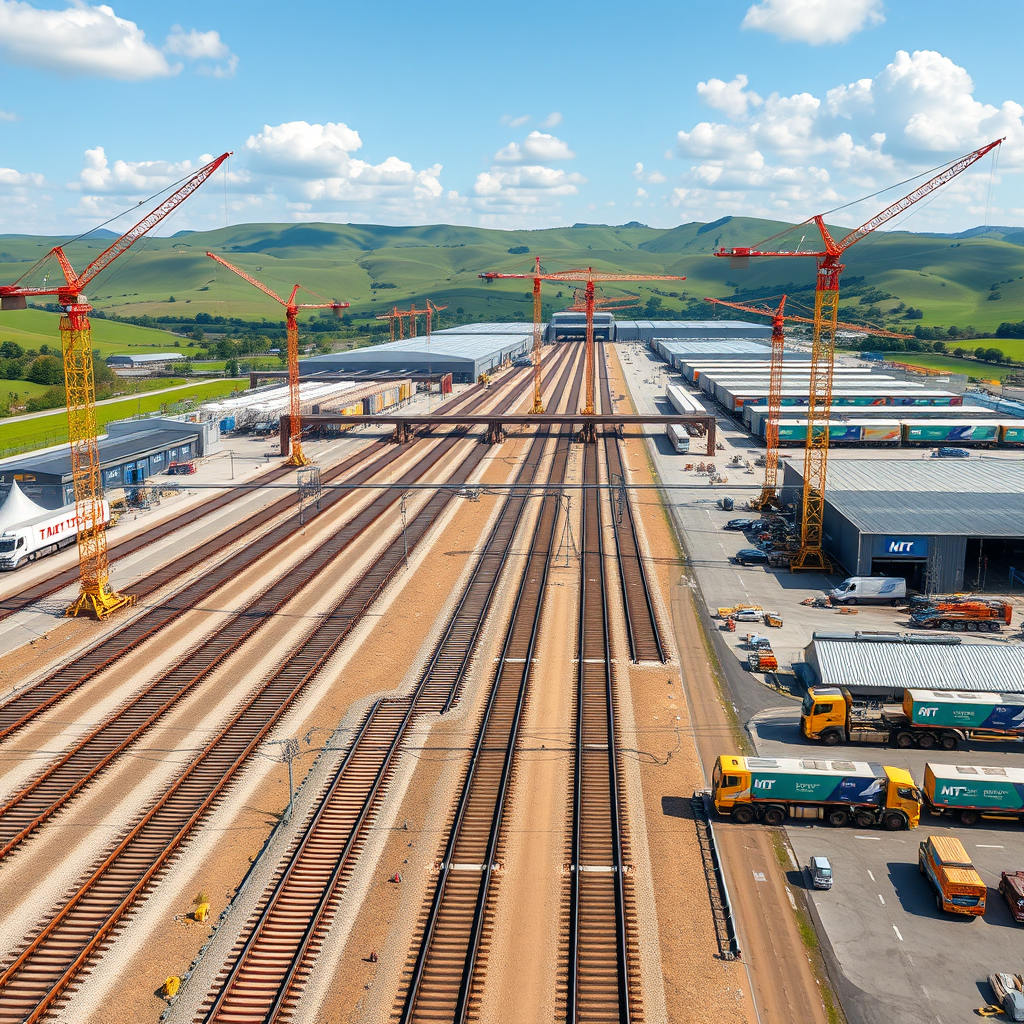
The Hinckley National Rail Freight Interchange: A Pivotal Step Towards Sustainable Freight Transport in the UK
This article examines the proposed £750 million Hinckley National Rail Freight Interchange (HNRFI) project in the UK, focusing on its potential to revolutionize freight transport, improve sustainability, and bolster the national logistics network. The project, spearheaded by Maritime Transport (MT) in collaboration with Tritax Symmetry, promises to significantly shift freight operations from road to rail, aligning with the UK government’s ambitious decarbonization goals. The development’s scale, strategic location, and potential economic impact warrant close examination. We will analyze the project’s design, its anticipated operational capabilities, its contribution to sustainable logistics, and the broader implications for the UK’s freight transport infrastructure. Finally, we will assess the challenges and opportunities presented by this ambitious undertaking and consider its potential for influencing future rail freight development across the nation.
Strategic Location and Network Integration
The proposed HNRFI is strategically situated in the Midlands, a region central to the UK’s economic activity. Its proximity to major ports, including Felixstowe (the UK’s largest container terminal), Liverpool, London Gateway, Southampton, Teesport, and Mossend, ensures efficient connectivity for both import and export operations. This central location minimizes road haulage distances, reducing congestion, emissions, and overall transport times. The interchange’s design incorporates seamless integration with existing rail networks, enhancing the flow of goods and streamlining logistics operations across the country. The planned capacity of 16 trains per day will significantly increase the volume of freight transported by rail, thereby easing pressure on road networks.
Operational Capacity and Infrastructure
The HNRFI will feature a 40-acre site equipped to handle substantial freight volumes. This includes adjacent warehousing facilities totaling 7 million square feet, providing ample space for storage, consolidation, and distribution. The interchange’s capacity of 16 trains per day signifies a major increase in rail freight handling capabilities. The integration of advanced Intelligent Transportation Systems (ITS) will further enhance efficiency, optimizing train scheduling, cargo tracking, and overall operational management. The strategic design ensures smooth handling of various freight types, optimizing throughput and reducing delays. The scale of the operation reflects a significant investment in modernizing the UK’s freight infrastructure.
Sustainability and Environmental Impact
The project’s primary objective is to promote a modal shift from road to rail, significantly reducing the environmental impact of freight transport. Shifting freight from road to rail drastically reduces greenhouse gas emissions, contributing to the UK’s commitment to decarbonizing its transport sector. The use of rail significantly reduces carbon emissions compared to road transport, offering a more sustainable and environmentally friendly solution for moving goods. The reduction in road traffic congestion also translates to a decrease in air pollution and noise levels, benefiting local communities and the environment.
Economic Benefits and National Significance
The HNRFI represents a substantial investment in the UK’s infrastructure, creating jobs during construction and operation. The increase in rail freight capacity will boost efficiency within supply chains, reducing transport costs for businesses and enhancing their competitiveness. The improved connectivity and reduced reliance on road transport will unlock significant economic benefits across the Midlands and beyond. The successful completion of the HNRFI will serve as a blueprint for similar projects across the nation, promoting the further development of a comprehensive and sustainable rail freight network.
Conclusions
The proposed £750 million Hinckley National Rail Freight Interchange (HNRFI) marks a significant step towards modernizing and decarbonizing the UK’s freight transport system. Its strategic location, substantial capacity, and focus on sustainability align perfectly with the government’s targets for modal shift and environmental protection. The project’s successful implementation will not only improve efficiency and reduce costs within the logistics sector but also contribute substantially to the UK’s broader environmental goals. The integration of advanced technologies and the creation of a robust network of interchanges are crucial for maximizing the impact of this initiative. The HNRFI will serve as a model for future rail freight developments, paving the way for a more efficient, sustainable, and environmentally responsible freight transportation system in the UK. While challenges remain in securing final approval and managing the complexities of large-scale infrastructure projects, the potential benefits of the HNRFI are undeniable. The project’s success hinges on effective collaboration between government, industry stakeholders, and local communities. Its timely completion would be a significant landmark in the UK’s journey toward a more sustainable and resilient logistics network. The significant investment and commitment demonstrate a clear recognition of the importance of rail freight in achieving long-term economic and environmental sustainability. The anticipated increase in rail freight volume will have a ripple effect throughout the supply chain, benefiting businesses, consumers, and the environment alike.
RELATED POSTS

October 23, 2025 11:54 pm
Pinsly Railroad's CEO, Ryan Ratledge, joins the RSTAC, representing small...

November 25, 2025 10:42 am
UK announces a historic **rail fare freeze**, the first in...

March 6, 2021 4:00 pm
This article examines the strategic partnership between GB Railfreight (GBRf)...
March 26, 2025 4:30 am
The global railway industry is undergoing a significant transformation, driven...

Alstom signed today a contract with Stadtwerke Verkehrsgesellschaft Frankfurt am...
November 25, 2022 5:29 pm
The Rail Baltic project, a crucial infrastructure initiative connecting Tallinn,...